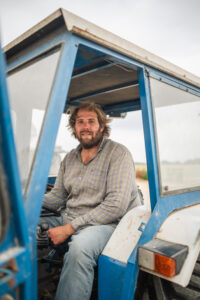
Sheila Darmos
Activities:Regeneratieve agriculture
Founder:Sheila Darmos
Launched:2015
Location:Skala, Greece
Introductie
For decades, the land of The Southern Lights Farm had been farmed organically by Stavros Darmos, one of Greece’s pioneers of organic agriculture. Through his farm practices, the soil improved significantly. But when his daughter Sheila Darmos took over and observed the soil, she realised it still was nowhere near as rich as that of a forest, and began to question why. The answer would not only transform the farm, but also the way Sheila sees her role as a farmer.
 Photographer: Julian Loopstra
In 2015, Stavros Darmos grafted the summer orange trees on his farm to turn them into lime and lemon trees. As a result, sunlight reached parts of the land that had mostly been in the shade and soon, mulberry and fig trees started popping up everywhere – alongside other species that were not part of the farm’s main cultivation. What Stavros could not have known was that by grafting his trees, he had set a quiet revolution in motion. One he would never get to see unfold, as he passed away later that year.
Uitgelichte quote
We accidentally started agroforestry before we even knew what it was
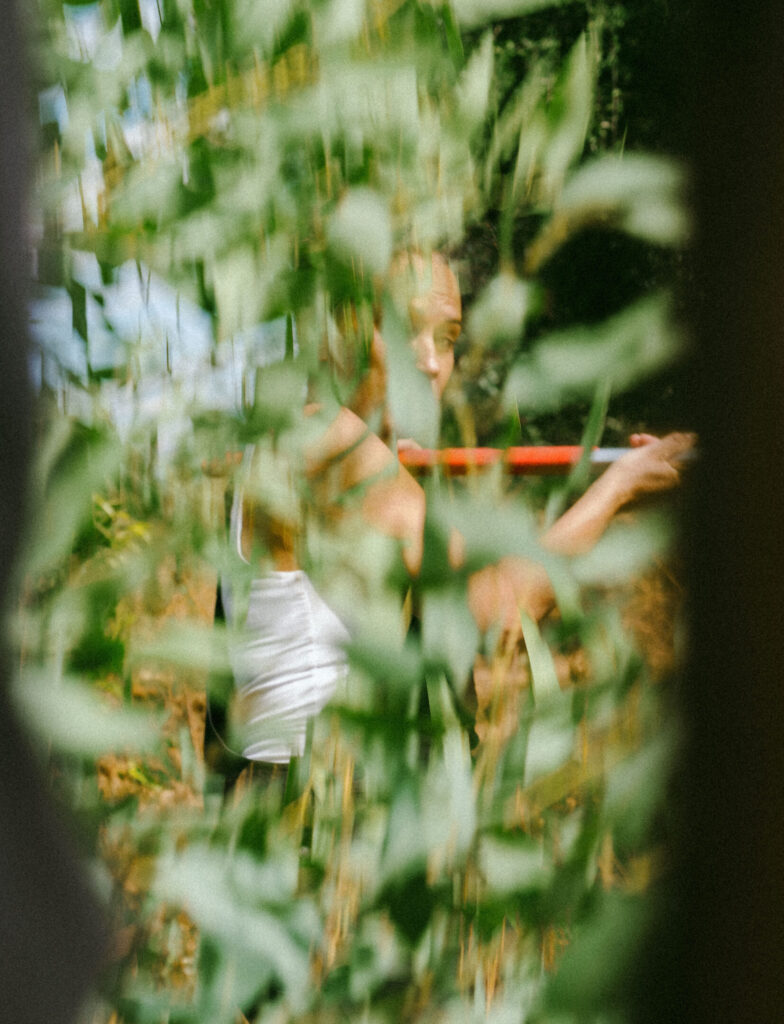 “I was standing in front of all those beautiful trees and cutting them just didn’t make sense.” Photographer: Julian Loopstra
 Photographer: Julian Loopstra
Returning to rural Greece
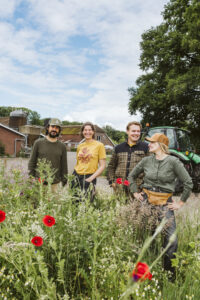
By that time his daughter Sheila Darmos had been working on the farm for a few years and she took over the management. None of that had ever been Sheila’s plan: she left Greece at a young age and grew up in Germany, where she studied sociology. When her father became ill in 2011, she returned to Greece the same day.
Looking back on that summer in 2015, Sheila remembers everybody who came to visit, telling her to clean up the farm and cut down all those intruders. Instead, Sheila and her cousin planted even more fruit trees. “I was standing in front of all those beautiful trees and cutting them just didn’t make sense. It felt wrong. My cousin and I were also worried about the safety of the food we could buy in the supermarket, so we decided to make use of all that sunlight and plant everything we could possibly need. We accidentally started agroforestry before we even knew what it was.”
Uitgelichte quote
Why, after forty years of organic farming, was the soil on their farm still nowhere near as rich as the soil in a forest?
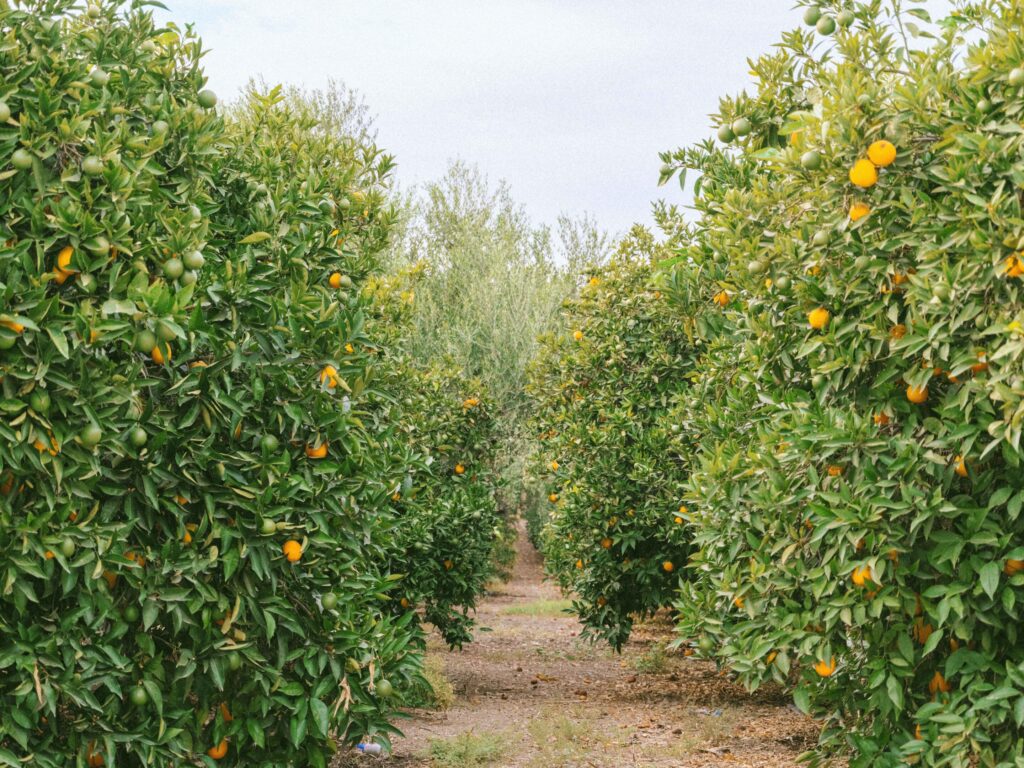
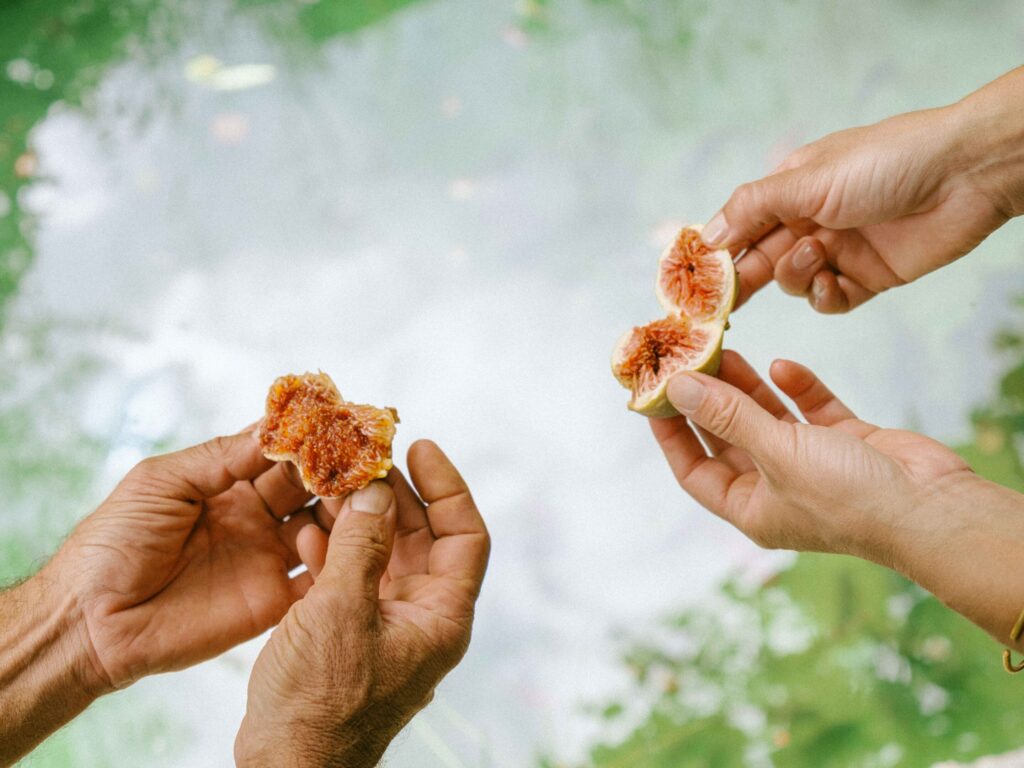 “When you walk around the farm now, you see a lot of different tree layers.” Photographer: Julian Loopstra
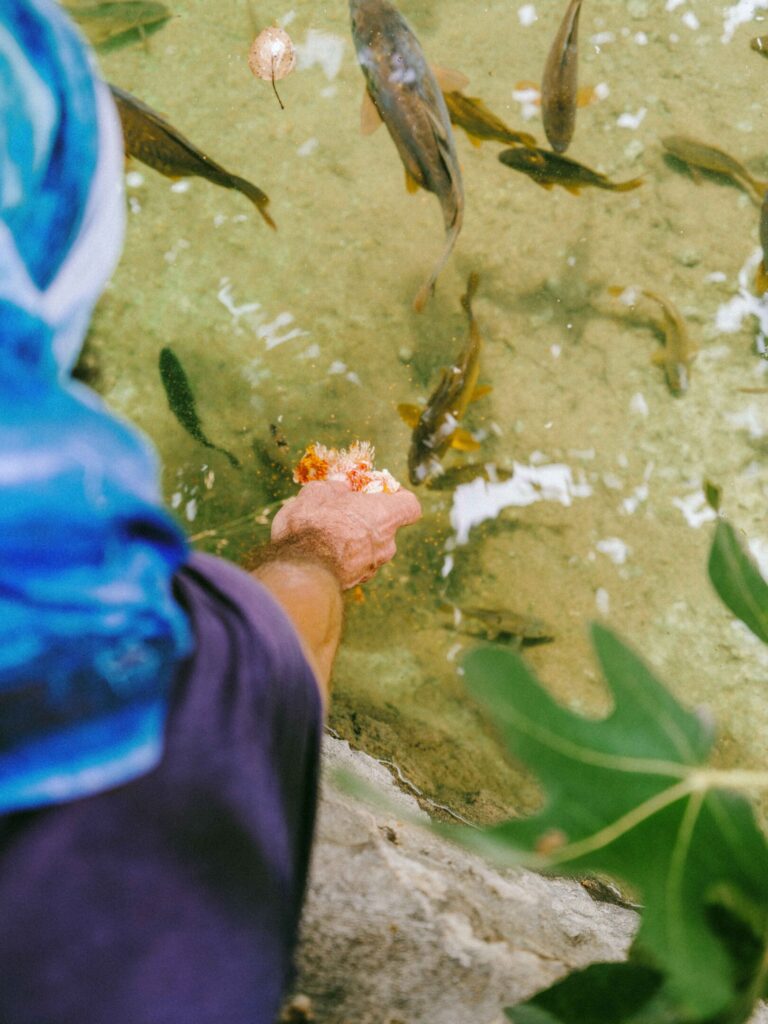 “It just sounds healthier.” Photographer: Julian Loopstra
Guided by intuition
“It was intuition guiding us,” Sheila says. Later, she understood why the mulberries and figs had appeared – and that they were also part of the answer to a question she had been asking herself: why, after forty years of organic farming, was the soil on their farm still nowhere near as rich as the soil in a forest? After learning about syntropic farming and connecting with Dimitri Tsitos of Mazi Farm, she realised they were missing support species producing biomass. And that trees like mulberries and figs produce exactly that: organic material that can be returned to the soil.
With this new understanding, Sheila started producing as much organic matter as possible, planting more support species and adopting ‘chop-and-drop’: shredding tree cuttings and leaving them on the ground as mulch. Later, she also started bringing grazers onto the land multiple times a year, as a form of holistic management.
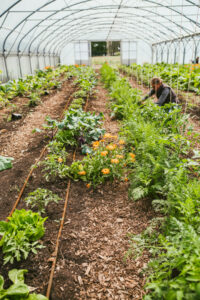
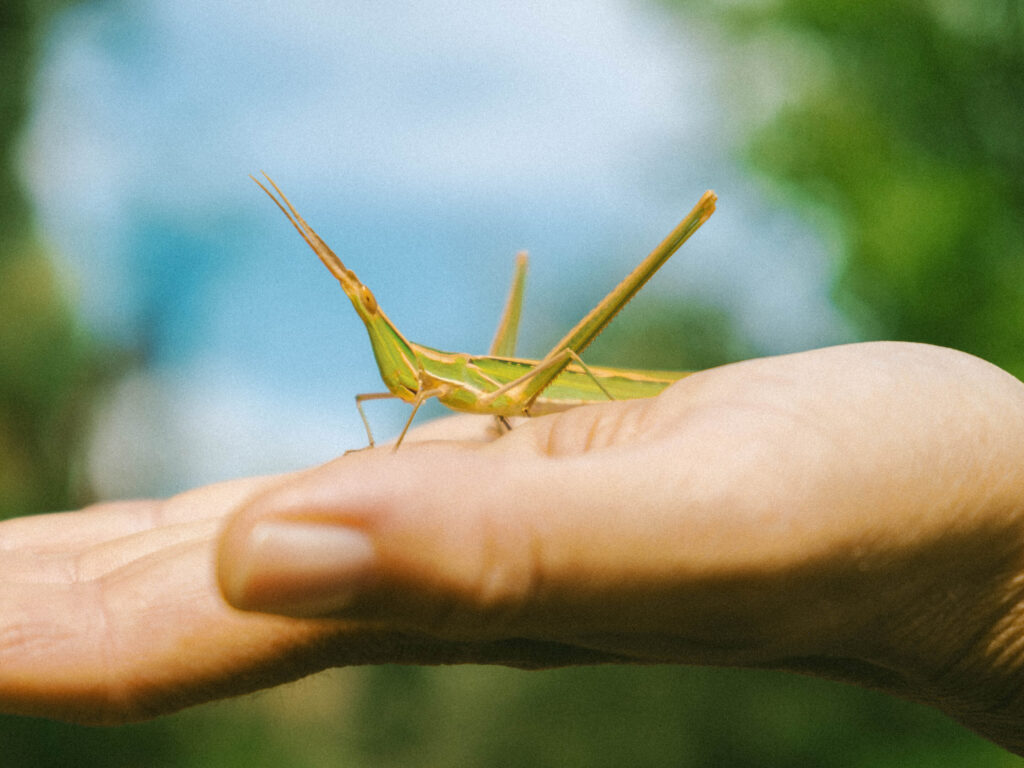
“When you walk around the farm now, you see a lot of different tree layers. We have gigantic mulberry and fig trees, and underneath them you’ll find all types of citrus and pomegranates. We have chickens and peacocks walking around and the insect diversity has increased. And then the sound: it just sounds healthier, more like ‘you want to be here’. I also experience fewer problems with pests, heatwaves, dry winds and even hail, because the mulberries literally provide an umbrella for the trees underneath. And with more fungi and organic matter, the soil has changed. Everything became more resilient.”
Uitgelichte quote
If you have to worry about making a living, it limits your creativity
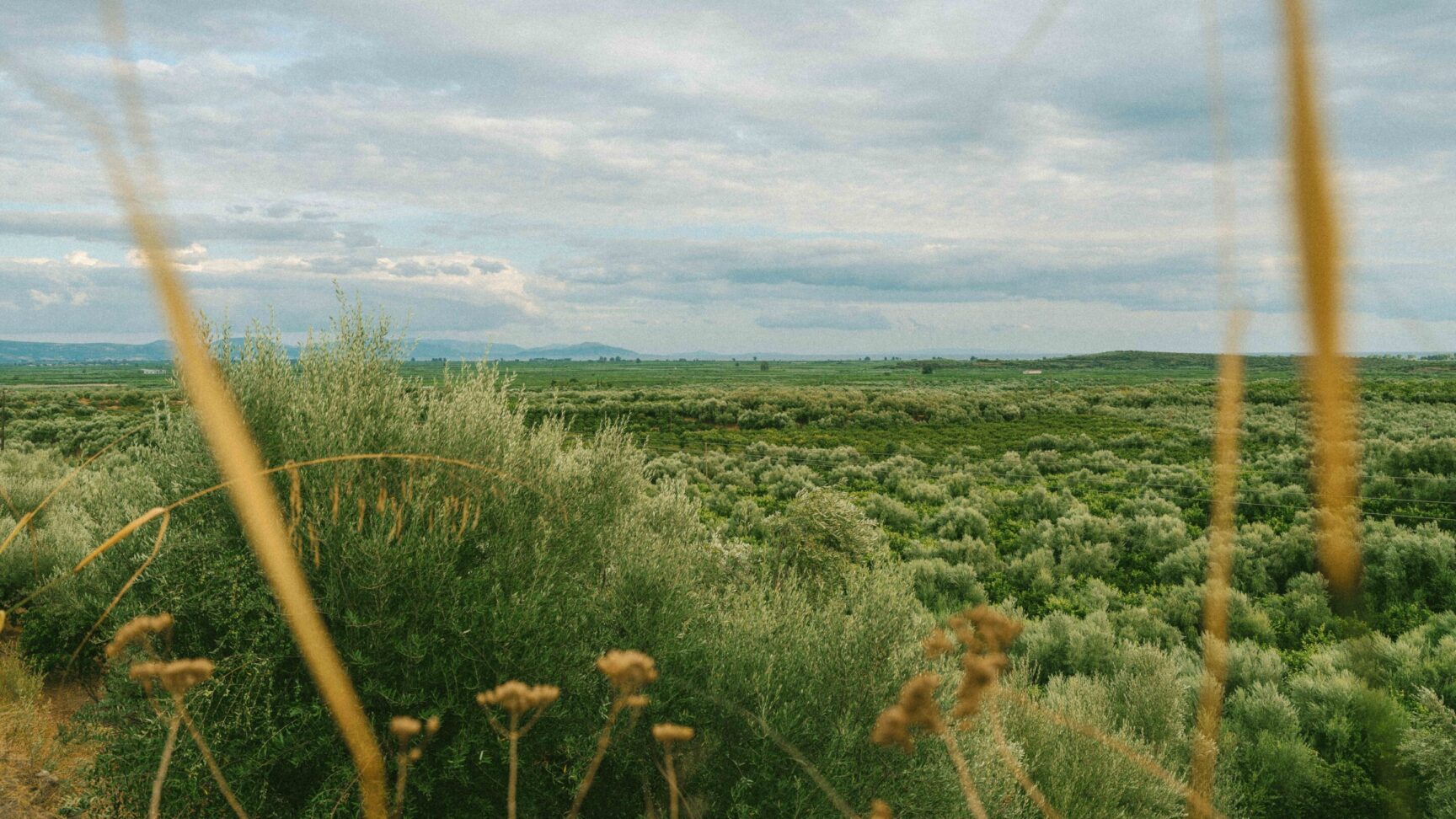
Regeneration in Greece
A farm flourishing with life is the opposite of what Sheila sees around her. The neighbouring land is a monoculture, and when bare, it’s covered with moss. “Not even grass can grow there,” Sheila says. “It doesn’t look like a place any living animal would want to go to.” That image is not an exception – it is actually a very familiar sight in Greece, where farmers are dealing with increasingly hot and dry conditions, while also facing many obstacles in the transition towards regenerative farming. Sheila knows that her own position has given her room to experiment. “We were not dependent on the farm for our income, which gave us more freedom to experiment. If you have to worry about making a living, it limits your creativity and your freedom to play around and try things.”
But there are also practical barriers. Farmers often lack access to machinery such as wood chippers, shredders and direct seeders, either because of the investment required or simply because these machines are not widely available. Government regulations can work against them too. “Farmers who plant rows of trees between grain crops actually get less land counted as productive farmland. As a result, they receive lower subsidies and less insurance coverage. Some eco-schemes even force farmers to choose between practices such as agroforestry and composting. These relatively small measures have a huge impact.”
Uitgelichte quote
A lot of people feel powerless, but every human being has an impact
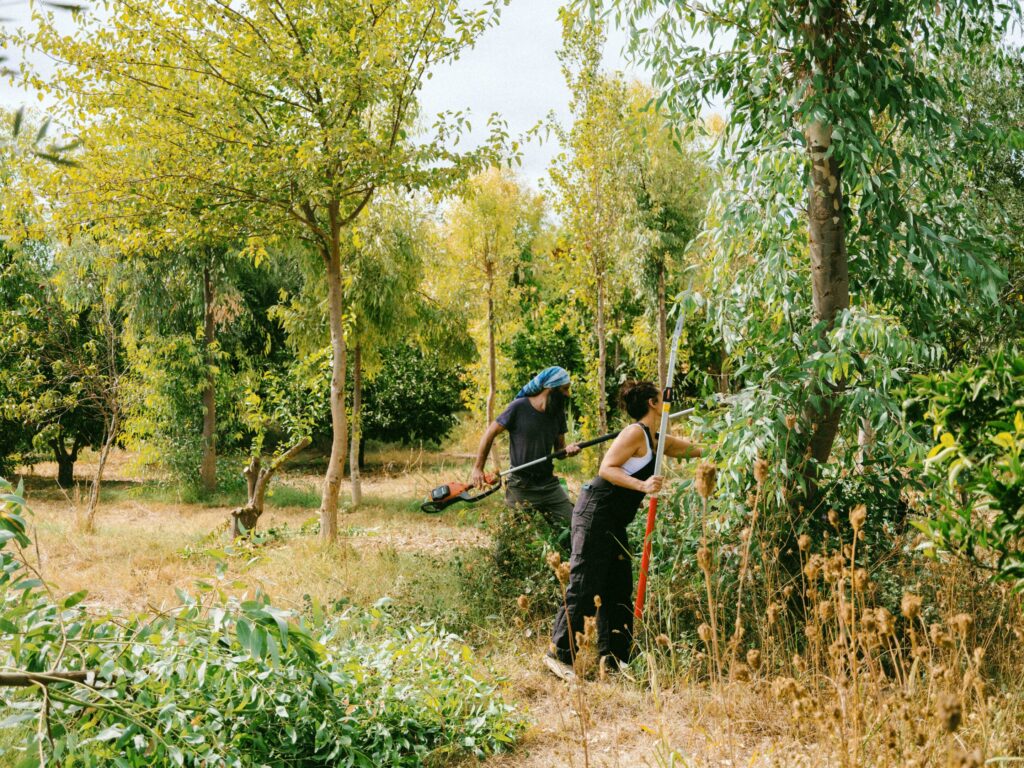 “I experience fewer problems with pests, heatwaves, dry winds and even hail.” Photographer: Julian Loopstra
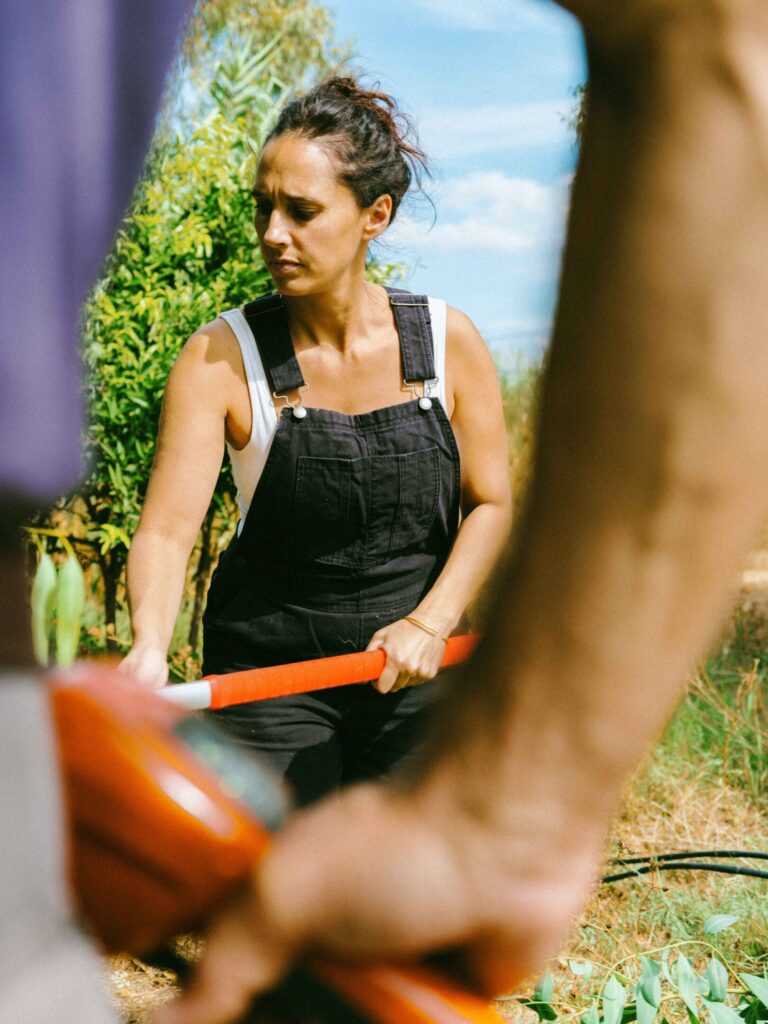
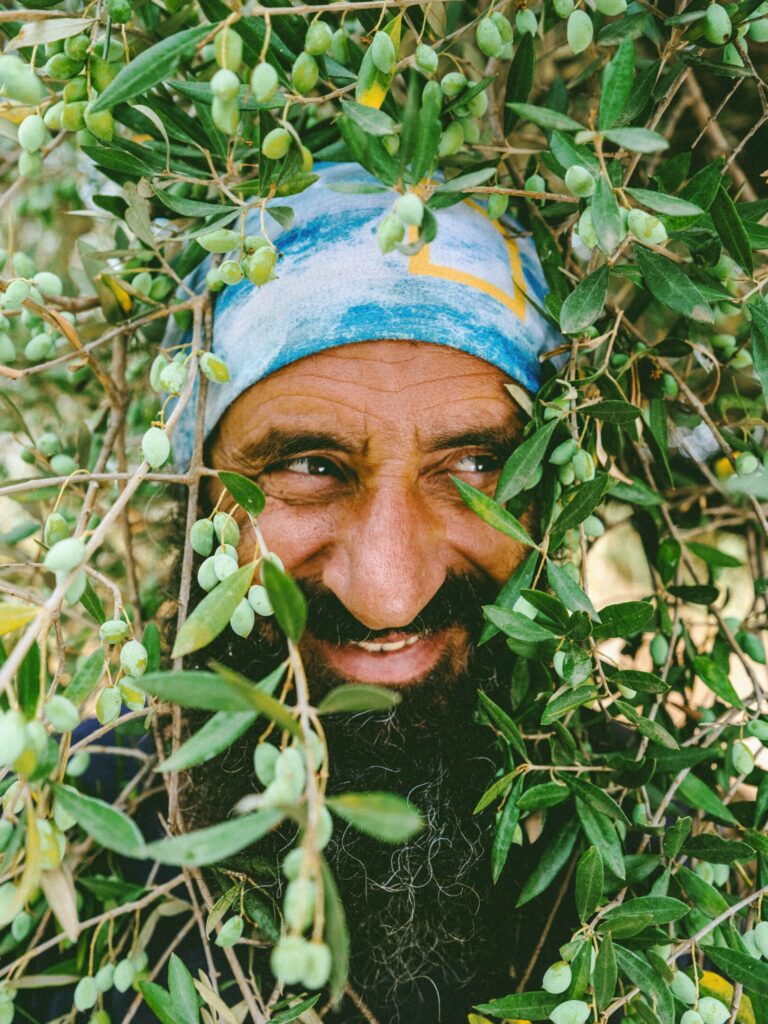 Sheila's cousin. Photographer: Julian Loopstra
Steward of soil
Despite these obstacles, Sheila sees how powerful the transition can be once farmers start looking differently at their role. “It’s so inspiring to learn more about the relationships between all the microorganisms in the soil”, she explains. “And it makes you realise what a crucial role you can play in soil regeneration. It really broadens your perspective.”
“Once farmers understand that their bigger calling is to be a steward of soil health and ecosystem health, you see their eyes light up”, Sheila continues. “A lot of people feel powerless, but every human being has an impact and has the power to change things.”
Uitgelichte quote
For farmers, healthy soil is the foundation
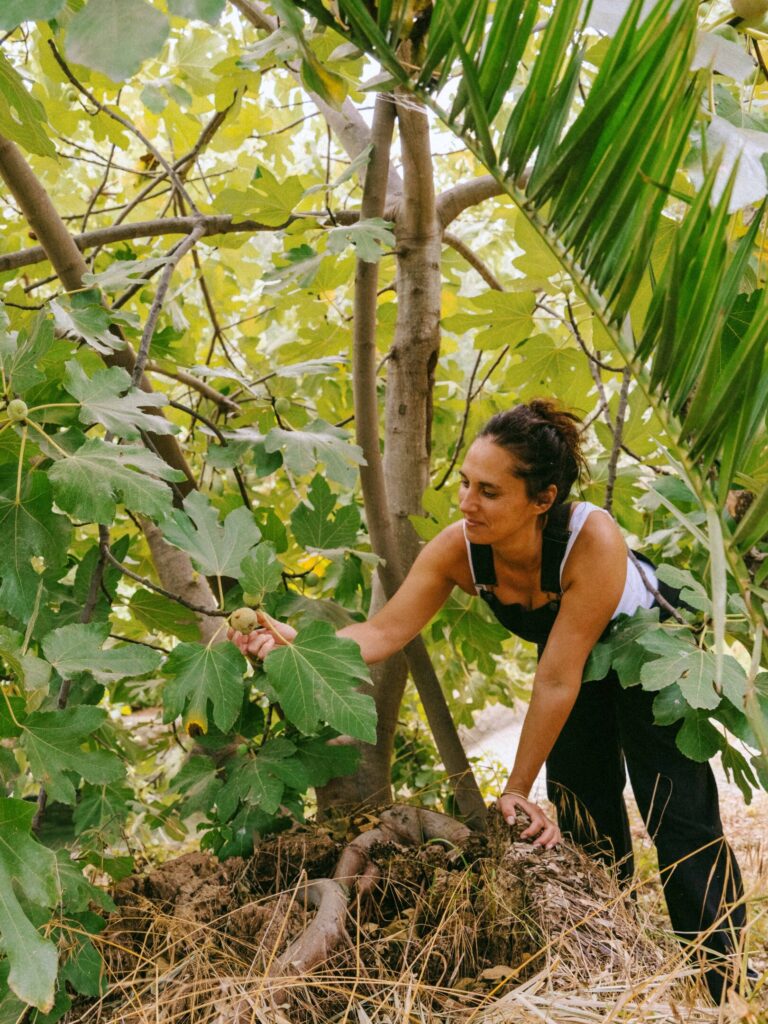 Photographer: Julian Loopstra
 Sheila is one of the founding farmers of EARA: the European Alliance for Regenerative Agriculture. Photographer: Julian Loopstra
Holistic health
Sheila’s mission is to empower people to steward ecosystem health and community health. For her, the two go hand in hand. “Because for farmers, healthy soil is the foundation. So empowering farmers means helping them to have healthy soil.” That mission extends beyond her own farm. Sheila is one of the founding farmers of the European Alliance for Regenerative Agriculture (EARA), and an EU Mission Soil Ambassador, a role in which she helps raise awareness about soil health and brings people, knowledge and policy closer together.
Through these different roles, Sheila’s focus has gradually broadened from regenerating the soil to the connections and communities around it. “For me, regeneration is also about improving the soil of our society. It’s about the connections between people and how we can build healthier communities and systems.”
Over the coming months, we’ll be sharing the stories of more farmers like Sheila who are part of the European Alliance for Regenerative Agriculture (EARA), a farmer-led network working to advance regenerative agriculture across Europe.
Also read our interview with German farmer Benedikt Bösel, Belgian farmer Géraud Dumont de Chassart and Dutch farmer Anne van Leeuwen – and sign up for our newsletter so you won’t miss the next one.