Mo Qaem

Entrepreneur, idealist and nature enthusiast, Mo Qaem has been launching ventures all his life with a single aim: to bring people and nature together. His admiration for farmers led to oostaMo – botanical infusions crafted from regenerative herbs, made to transform an ordinary glass of tap water. “I do everything to find the right farmer,” he says.
The story of Mo Qaem stretches back more than a century to Iran, where a hardworking farmer grew saffron on leased land. His wish was simple: that all his ten children would work beside him and, in time, become farmers themselves. But fate intervened. The eldest son was sent to school by his mother and went on to become a doctor. In doing so, he gave his own son the gift of education and the safety net to take risks and chase his ambitions. That son was Mo Qaem.
Uitgelichte quote
My love for nature grew out of the memories with my family
 Mo Qaem: "That was my real goal: persuading others to embrace it." Photographer: Renata Chede
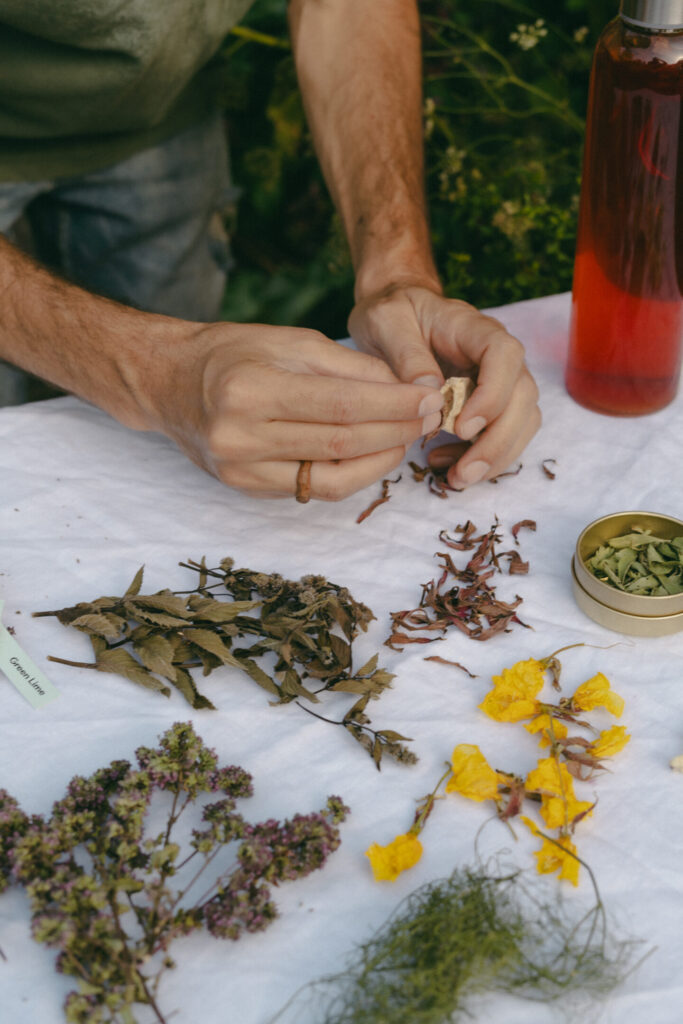
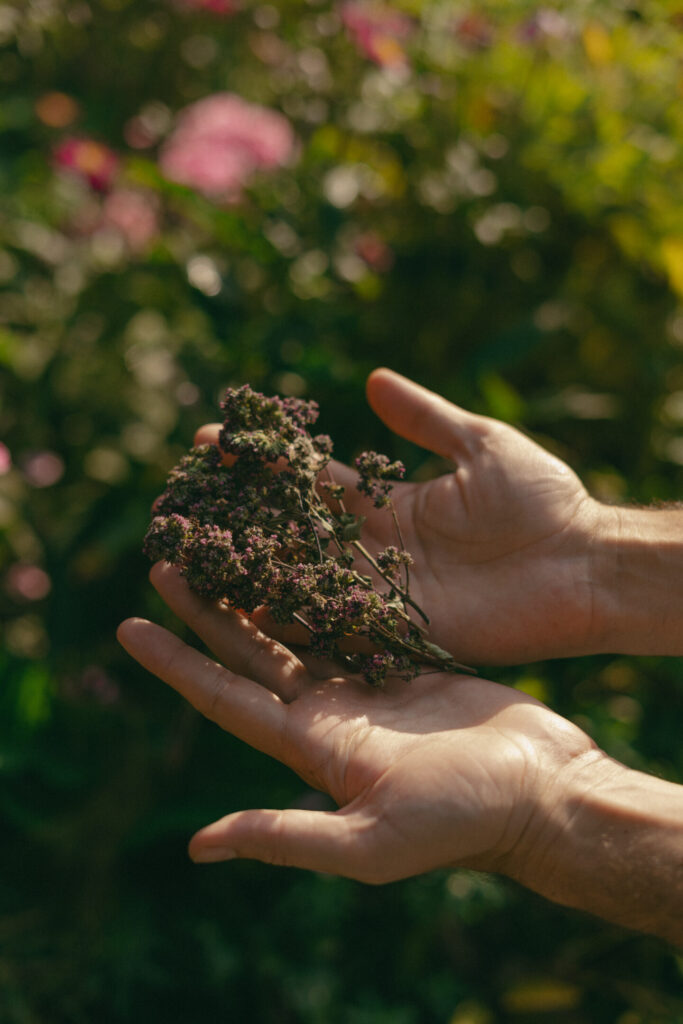 For oostaMo, Mo only uses regenerative herbs. Photographer: Renata Chede
Rooted
“Many of my childhood memories are rooted in my family’s farming life – holding sheep so my grandmother could milk them, harvesting crops in the garden,” Mo recalls. “When people ask where my love for nature comes from, I don’t have a straightforward answer. I didn’t inherit it from them – they worked with nature, which isn’t the same thing. What I do know is that my own love for nature grew out of those memories with my family. Even though I now see the world, and the challenges we face, very differently.”
In his twenties, Mo’s outlook tipped into activism, complete with a strict vegan diet. “At that time, I was a bit fundamentalist,” he admits. It was also what drove him to open a vegan restaurant in Mashhad. Back then, Iran’s second-largest city neither had a vegan nor a vegetarian restaurant. “We quickly became hugely popular, and not because everything was plant-based – most of our customers weren’t vegan or vegetarian at all. The food was simply tasty, healthy and homemade. But given my activist streak, no one left without hearing why veganism was such a good idea. If I’m honest, that was my real goal: persuading others to embrace it. As I said, I was a bit fundamentalist,” Mo laughs.
When he became – as he puts it – ‘a little more flexible’, even eating meat again, Mo stepped away from the restaurant and set up a nature school for children. “It wasn’t a school in the traditional sense,” he explains. “We weren’t focused on passing on knowledge or information, but on giving children direct encounters with nature – to experience it, connect with it, and simply enjoy it. I believe that’s where love for nature takes root, not from knowledge alone.”
Uitgelichte quote
How do you prevent greenwashing?
More profit for farmers
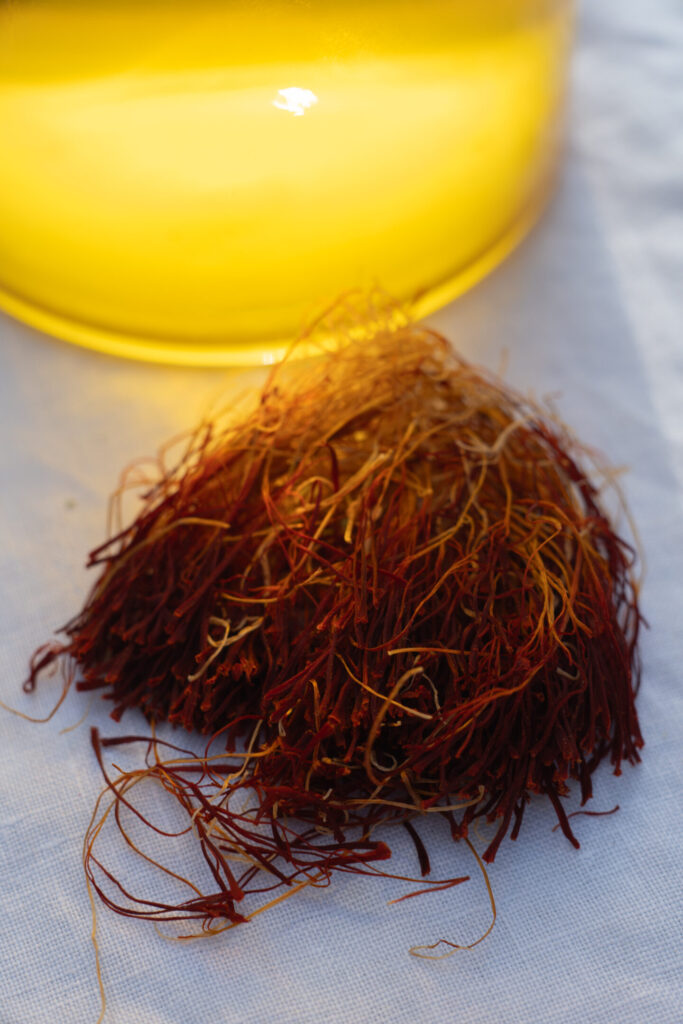
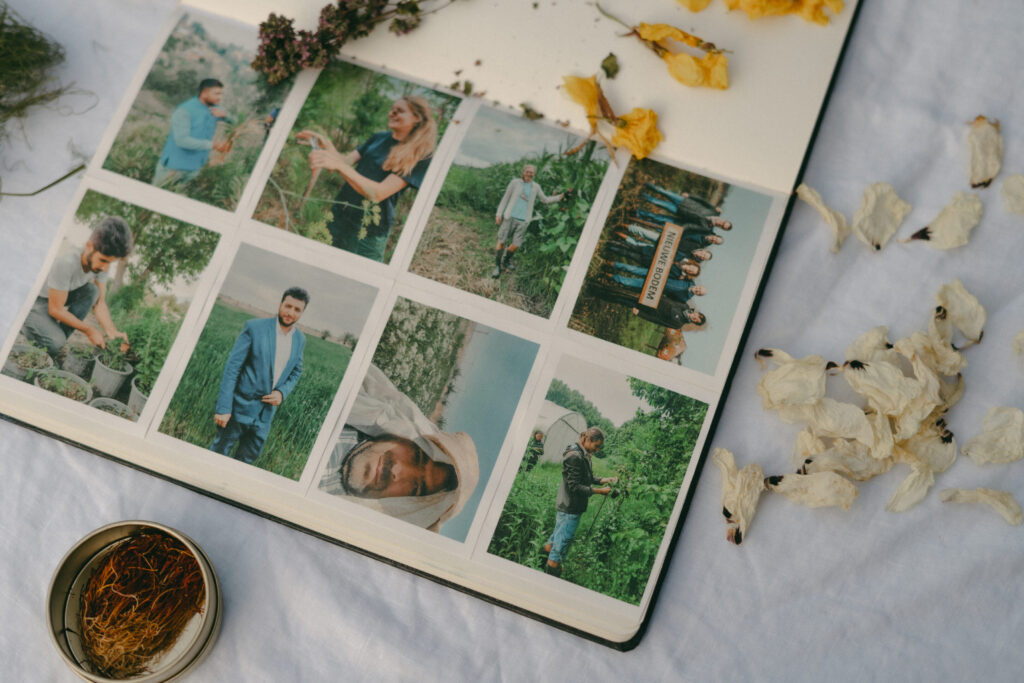
For Mo’s next venture, Keshmoon, the impact entrepreneur built a digital marketplace where saffron farmers could sell directly to buyers, who in turn knew exactly where their product came from and how it was grown. The idea was born largely from his desire to encourage farmers to use groundwater more sparingly.
“Unfortunately, the more water saffron farmers use, the more saffron they harvest, and the more money they make. Groundwater in Iran is scarce, and farmers know that levels are dropping further – which will cause huge problems in the future. Yet they still do it, simply because it’s profitable,” Mo explains. “I wanted to find another way to increase their income. My solution was to cut out the middlemen so farmers could sell directly to consumers. But the condition for using our platform was that they had taken measures to save water.”
Uitgelichte quote
I had a deep wish to work with saffron on an international scale


Transparent supply chains
The platform – which still exists – proved a major success. Buyers were guaranteed authentic saffron and could even take a digital journey to its source, meeting the farmer behind the crop. Yet challenges emerged: how do you verify that farmers are truly using less water, that their practices are regenerative, and how do you prevent greenwashing? Logistics, too, became an issue. When Mo and his shareholders eventually clashed over the company’s direction, he sold his shares – freeing up space for something new.
After two years at the United Nations he decided to put his knowledge and experience back into practice with a fresh venture. “Beyond knowing how to build a company and lead people, I had years of experience with farmers and a deep wish to work with saffron on an international scale. I see farmers as the ones who meet nature. They work with the Earth, depend on water, and follow the rhythm of the seasons. I wanted to prove there is a market for farmers who do this with respect for the natural world.”
Uitgelichte quote
For me, it’s all about the relationship with farmers
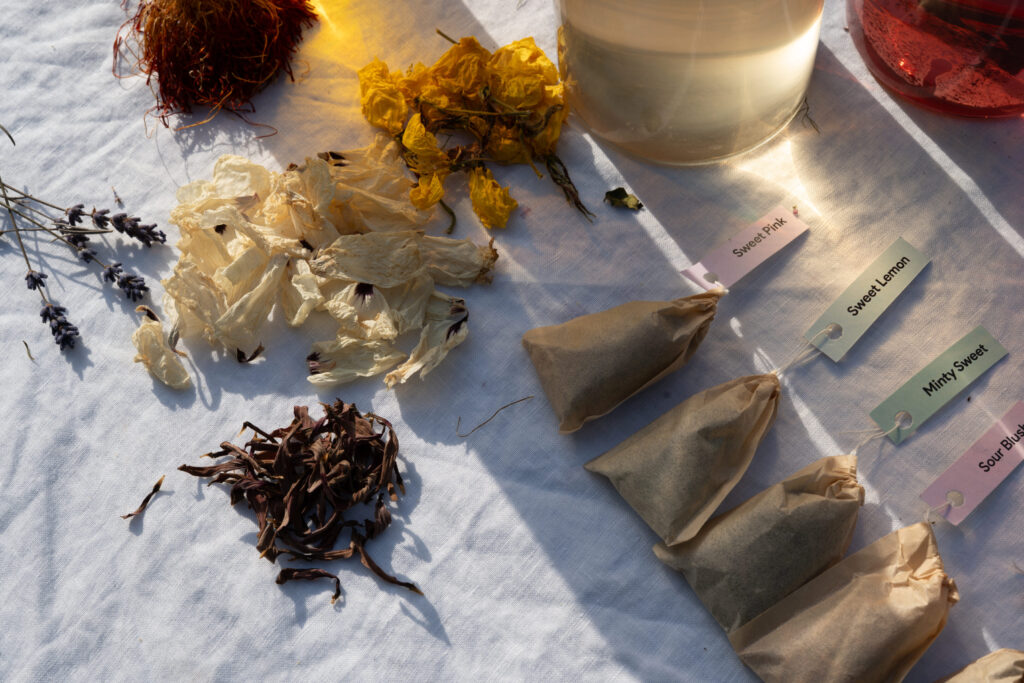 The compostable bags with regenerative herbs from OostaMo. Photographer: Renata Chede
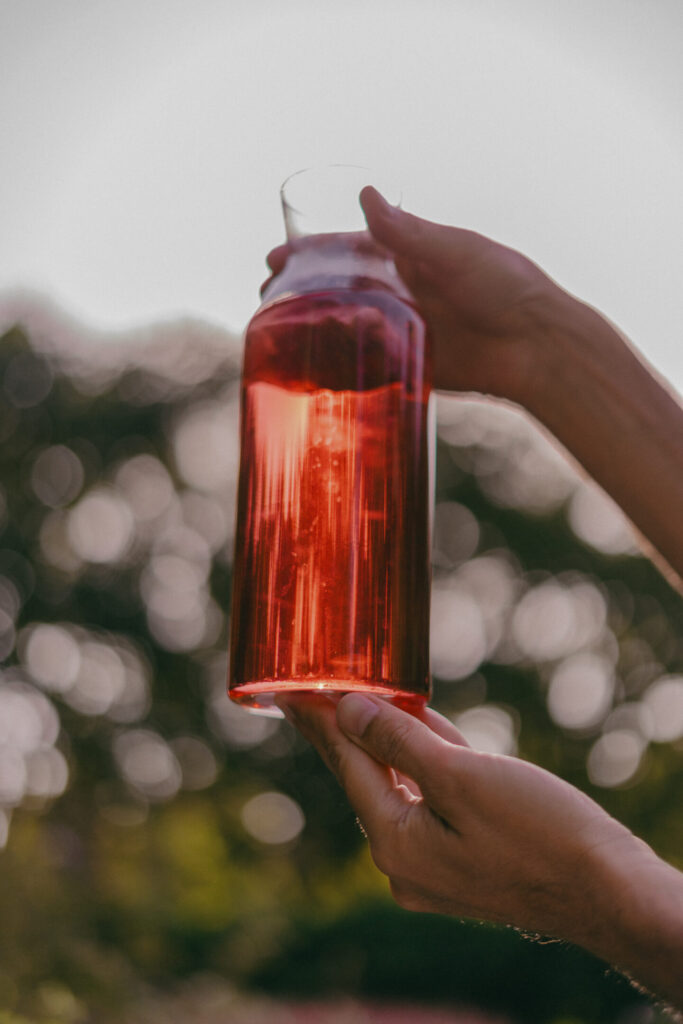 Mo focuses on short supply chains for his business. Photographer: Renata Chede
Regenerative herbs
This is how Mo came up with the idea for oostaMo: herbal infusions made with plants such as saffron. No sugar, no chemicals, no additives – just herbs from regenerative farms, packed in compostable sachets so you can add flavour, nature and impact to your tap water without shipping water across the world.
“I want to encourage people to drink more water and to push back against the toxic ingredients hidden in so many of our drinks,” says Mo. He sources his herbs directly from farmers, convinced that short, transparent supply chains are essential for both quality and sustainability. To shrink those chains even further, in April 2024 he put out a call on LinkedIn, seeking Dutch regenerative farmers to supply herbs directly. A few months later he posted again – admitting that 80 percent of his search had failed. “For various reasons it was very difficult to find Dutch suppliers for our herbs. Now that it’s harvest time, things are improving – but we need herbs all year round,” Mo explains.
Uitgelichte quote
My primary aim isn’t to make as much money as possible. I want to contribute

Culture
Another hurdle has been navigating Dutch language and culture. “As a non-native Dutch speaker, some things weren’t clear to me. For example, the word kruiden (‘herbs’) often refers to what your grandmother might use, while botanicals carries a much trendier, modern feel. And you shouldn’t say flavoured water, because people assume it’s something free – like water with a slice of lemon. A botanical drink, on the other hand, is something people happily pay five euros for.”
“Many people also suggested I should just buy herbs from large, certified organic suppliers. That might make things easier, but for me it’s about the relationship with farmers – even if that takes time. I do everything I can to find the right farmer, and I don’t give up easily.”
Looking back, Mo sees one thread running through all his ventures: the product must not only solve a problem, but also connect farmers, nature and consumers. “Of course, a business needs to be financially healthy. But my primary aim isn’t to make as much money as possible. I want to contribute – to better health, a better life for farmers, a healthier Earth. That, to me, is real profit.”
Looking for more regenerative entrepreneurs, farmers and growers? Check out our pioneer stories.
Original publication date: 30th of September 2025. Latest update: 17th of August 2026.

READ MORE:

Vandana Shiva: “In a living economy, we participate in the natural world as equals”
26 February 2026