Ricardo, Anne, Daan & Roos
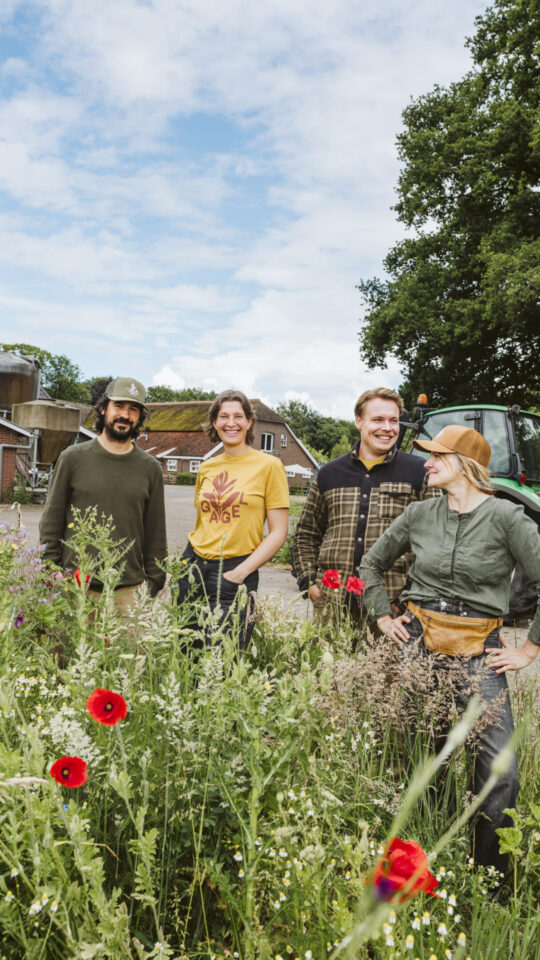
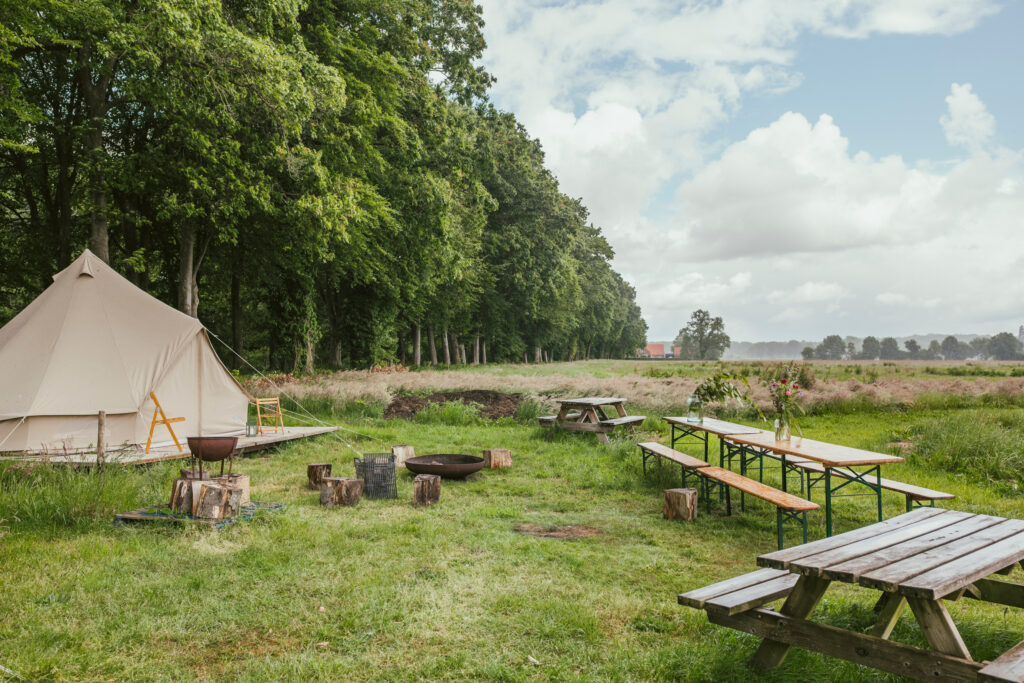
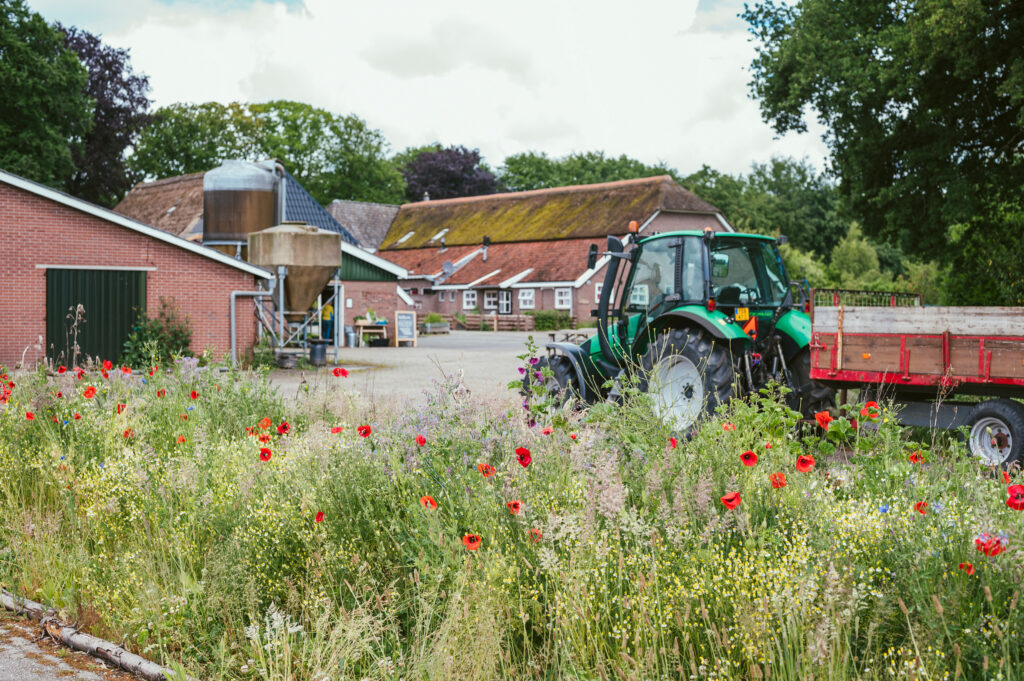
Staying the night in an edible landscape, taking a course in regenerative entrepreneurship or sharing a nourishing meal – in the Dutch town of Lochem, the regenerative possibilities are endless. Here, four enterprising farmers run ’t Gagel. The harvest of their regenerative farm is not limited to nourishing food, but also consists of healthy soils, biodiversity, an engaged community, inspired people and even a resilient economy – one that can endure for generations to come. “In everything we do, we work towards more life.”
“I’ve always been a little bit in love with life”, says co-founder Anne van Leeuwen. She describes herself as a ‘typical outdoor child’, catching salamanders in the ditch with a net and bringing her goat to school for a presentation. “I went to a fairly standard suburban primary school, so the other children thought that was very strange. Just like my later ambition to become a farmer. But losing yourself in time, living with the seasons, following the rhythms of migrating animals, building relationships with other living beings – I’ve always loved stuff like that.”
Uitgelichte quote
In everything we do, we work towards more life


The century of degeneration or regeneration
Despite her love for farming, Anne chose to study art history after secondary school, searching for a way to bring art, nature and science together. As an exhibition maker at Artis in Amsterdam, she explored the relationship between humans and nature – and came to a troubling realisation. “We are profoundly disconnected from the rest of life”, Anne explains. “We behave as if we are completely separate beings.”
“Through my research for the museum, I saw that this idea has a very long cultural history. Aristotle created a hierarchy with humans at the top; in Judeo-Christian thinking, nature was created to be dominated by humans; Enlightenment and modernism reinforced the same worldview – all other forms of life are subordinate to humans, and we can therefore do whatever we want.”
“Our institutions are built on this idea of separation – think of the economy, education, agriculture”, Anne continues. “It lies at the heart of many of the crises we face today: the climate crisis, the nitrogen crisis, biodiversity loss and social inequality. We talk a lot about sustainability, but that merely means reducing our negative impact. You still remain a negative force – you might as well not exist. I found that insight deeply troubling.”
Uitgelichte quote
We don’t solve problems by eradicating life, but by inviting it in
Restoration
At the lowest point of her struggle, Anne met her partner Ricardo Cano Mateo – a Spanish biologist with a passion for amphibians and the same ecological concerns. When they watched the documentary Hope in a Changing Climate by John D. Liu, about China’s Loess Plateau, they discovered the power of regeneration. In an area the size of Belgium, regeneration had restored not only flora, fauna and water, but also socio-economic prospects.
“Landscape restoration means everybody wins”, Anne says. “When a landscape degenerates, everyone loses. I had no idea this could be reversed – that on such a scale, in a relatively short time, you could bring a landscape back to life. I was immediately convinced. That’s when I knew what we had to do: roll up our sleeves here in Europe as well. This should be the century of regeneration.”
Uitgelichte quote
We don’t use pesticides or artificial fertilisers: life is our crop protection

Fungi are better farmers than humans
Anne and Ricardo take the lead, starting the regenerative farm Bodemzicht near Nijmegen, a city in the East of the Netherlands. After four years, the small-scale operation proved unable to withstand the rapid growth they pursued out of a sense of urgency. They therefore joined forces with two other regenerative entrepreneurs, Daan Houwers and Roos Burger, who had also set their eyes on ’t Gagel – a forty-five-hectare farm that has been freed from the economy by a foundation called Lenteland.
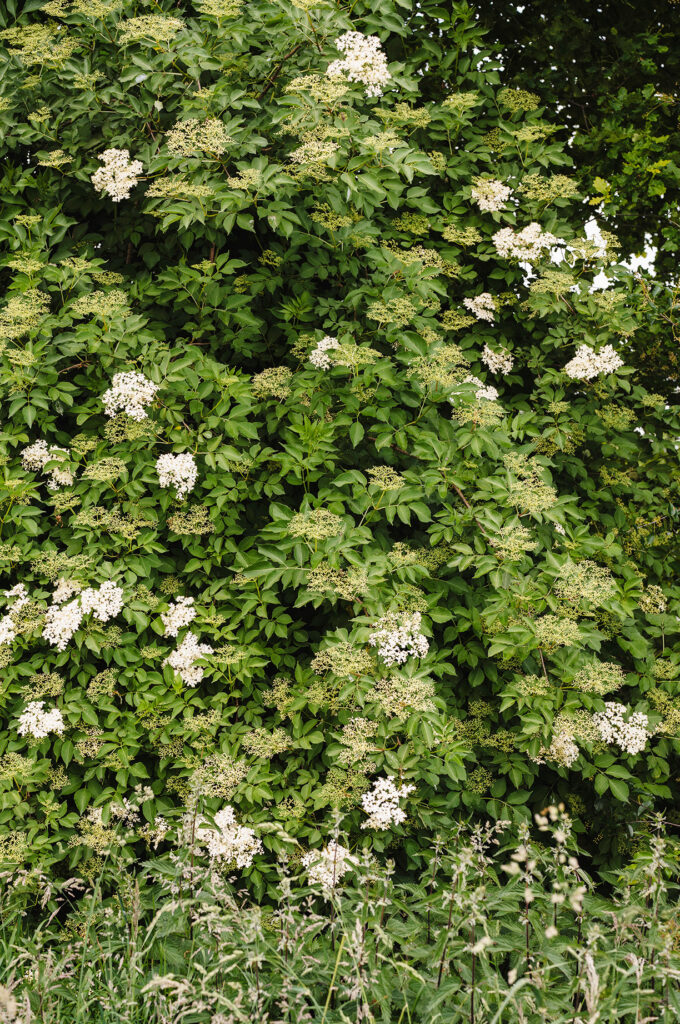
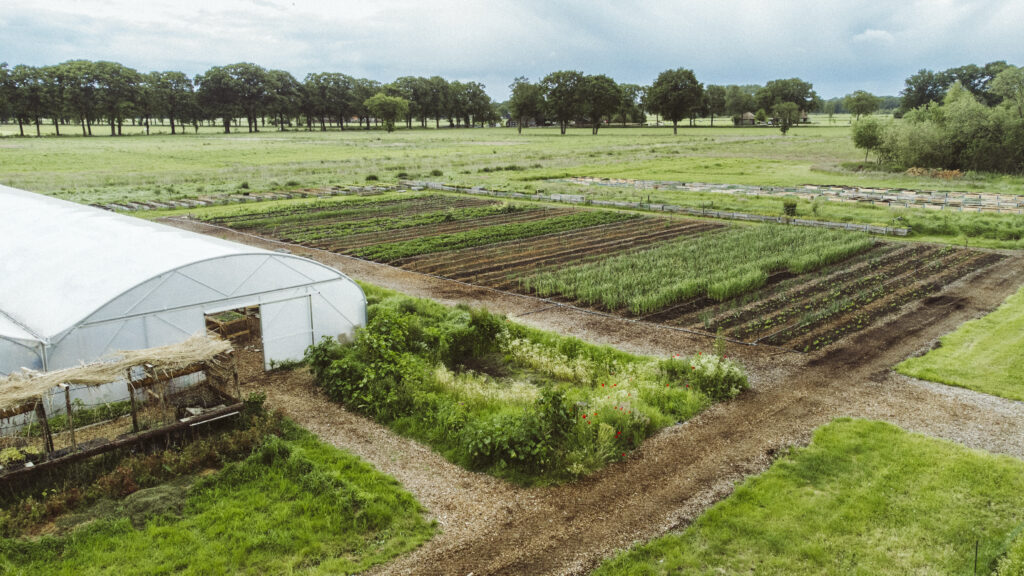
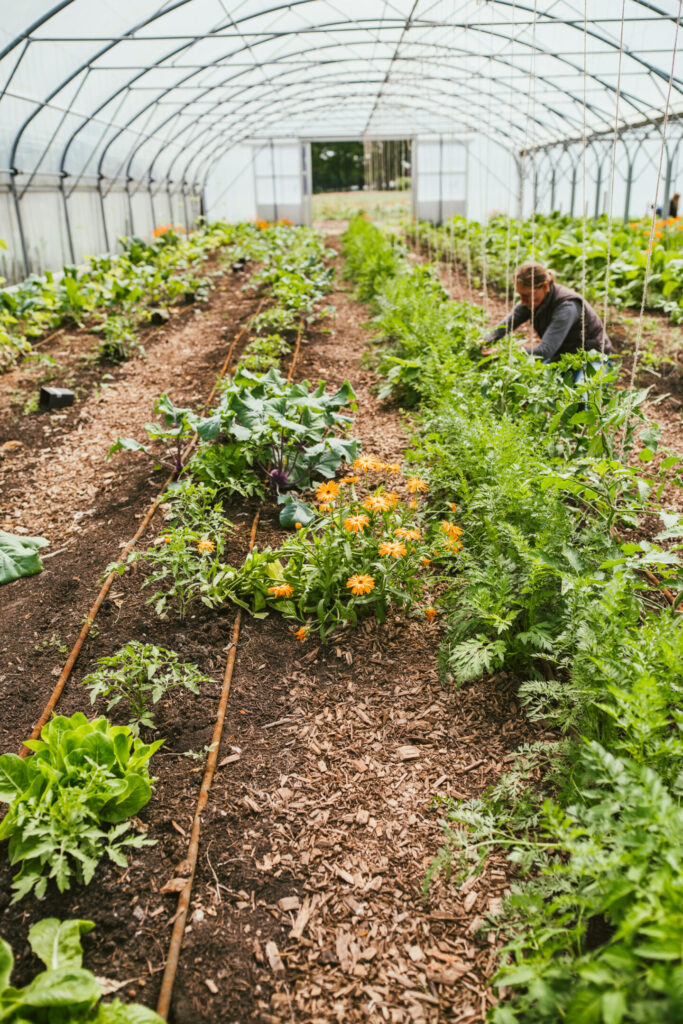
Together, the four transformed the former dairy farm into a regenerative enterprise centred around creating more life. There is a no-dig vegetable garden based on the principle that fungi are better farmers than humans, a tree nursery producing robust seedlings for ecological restoration, and thirty kilometres of fruit hedgerows planted with a wide diversity of trees and shrubs.
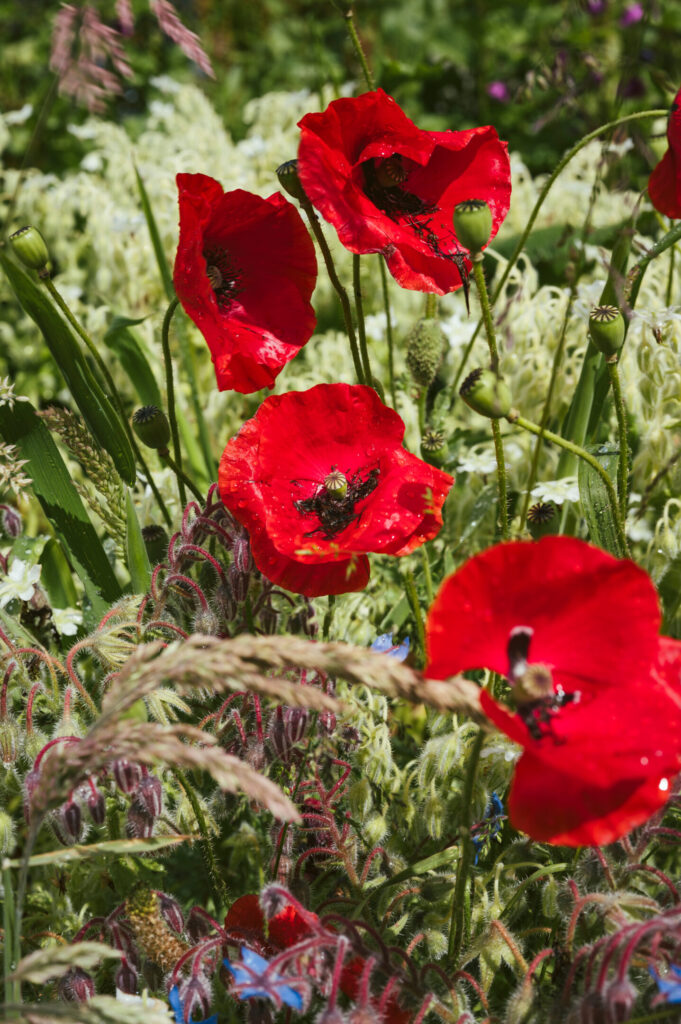
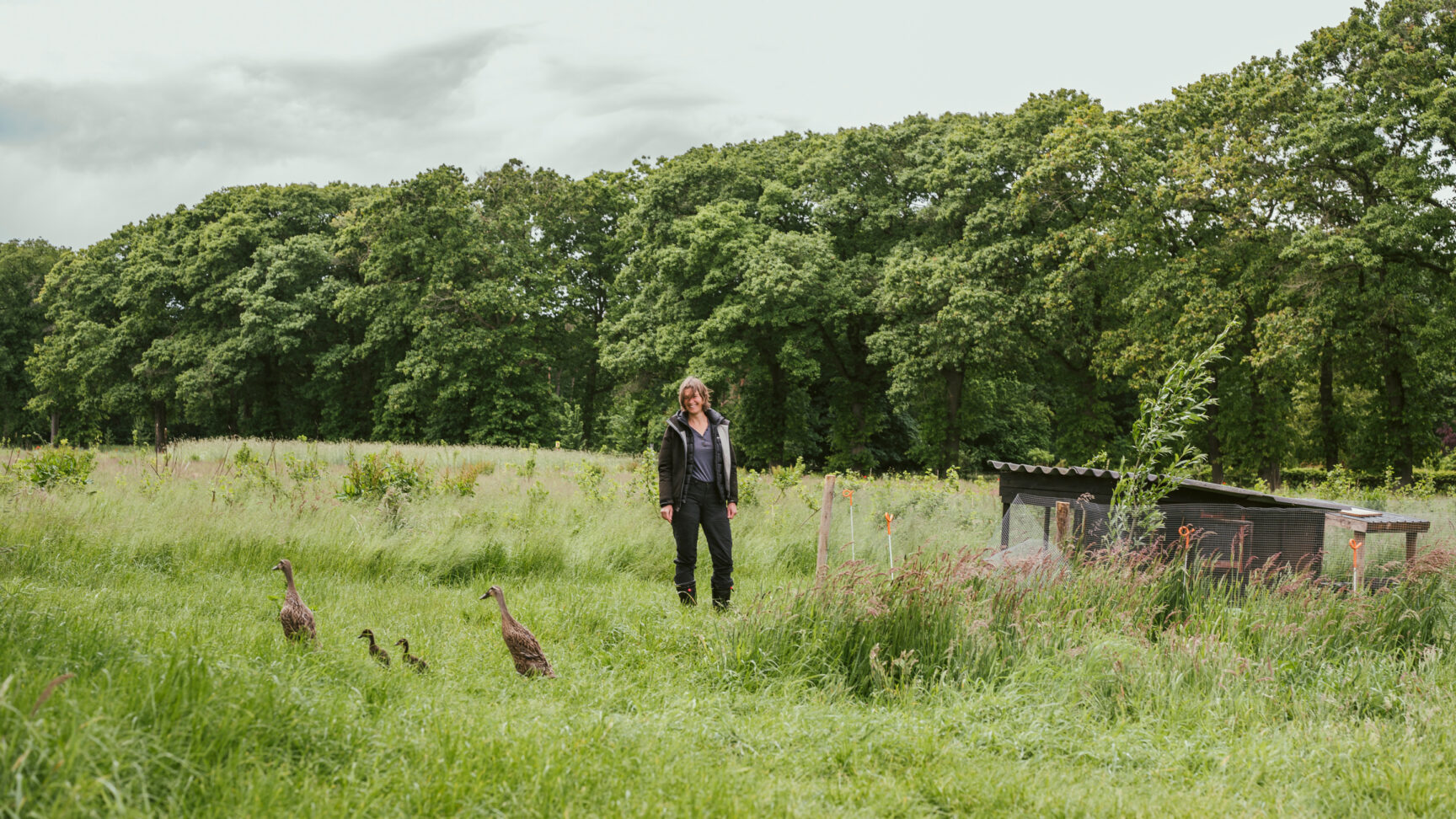
“Radical diversity is our thing”, Anne says. “We work towards a system in which everyone eats everyone else, ensuring abundance for all. We don’t solve problems by eradicating life, but by inviting it in. Who do we need to collaborate with to solve a problem? Therefore, we don’t use pesticides or artificial fertilisers – life is our crop protection. We bring as much diversity into the system as we can manage.”
Uitgelichte quote
In this speculative market, we won’t recoup our investment with carrots alone
A tsunami of awareness
More than a regenerative farm, ’t Gagel is a place where people can experience how regeneration works. Staying the night, eating, renting spaces, attending courses and workshops, or becoming a co-owner – everything is about reinforcing our connection with life and one another. “This place is so large that we have to diversify”, Anne explains, “because in this speculative market we won’t earn back our investment with carrots alone. But it’s also our dream to create a place where people can feel that connection again.”
“Every day, I wake up with an enormous sense of urgency. We need to go through a transition to limit the damage as much as possible and create a liveable society. Regenerative agriculture alone won’t get us there – we need a tsunami of awareness.”
Uitgelichte quote
Regenerative principles apply to far more than agriculture alone
From art to soil
While Anne and Ricardo focus primarily on biodiversity and landscape restoration, Daan Houwers oversees the tree nursery and Roos Burger is responsible for the culinary and hospitality side. Drawing on her background in art, nature and food, she brings these disciplines together, convinced that they can strengthen one another.
“At ’t Gagel everything comes together”, she says. “Once I moved from art to food, I wanted to move towards the soil as well. And now I see how quickly life returns through regenerative farming, I only want to work this way. It’s what really gets me going.”
“The regenerative principles and the interconnected perspective on diversity and resilience apply to far more than agriculture alone. We recently hosted a police team here to learn about regenerative leadership. Working regeneratively, as we do, can be a blueprint for other organisations – working with life rather than against it. I warmly invite everyone to come and experience it for themselves.”
Looking for more regenerative farms? Take a look on our map.
Together with The Green Times, Stichting DOEN and Impact Hub Amsterdam, we’re creating a series of stories about regenerative entrepreneurs showing how we can move towards an ‘ecology economy’. Subscribe to our newsletter and receive the next story directly in your inbox.
READ MORE:
Leen Gorissen: “Of all Earth’s species, we humans are probably the biggest amateurs”
13 January 2026