Jonas Frei
Activities:Regenerative art
Founder:Jonas Frei
Location:Schaffhausen, Switzerland
Introductie
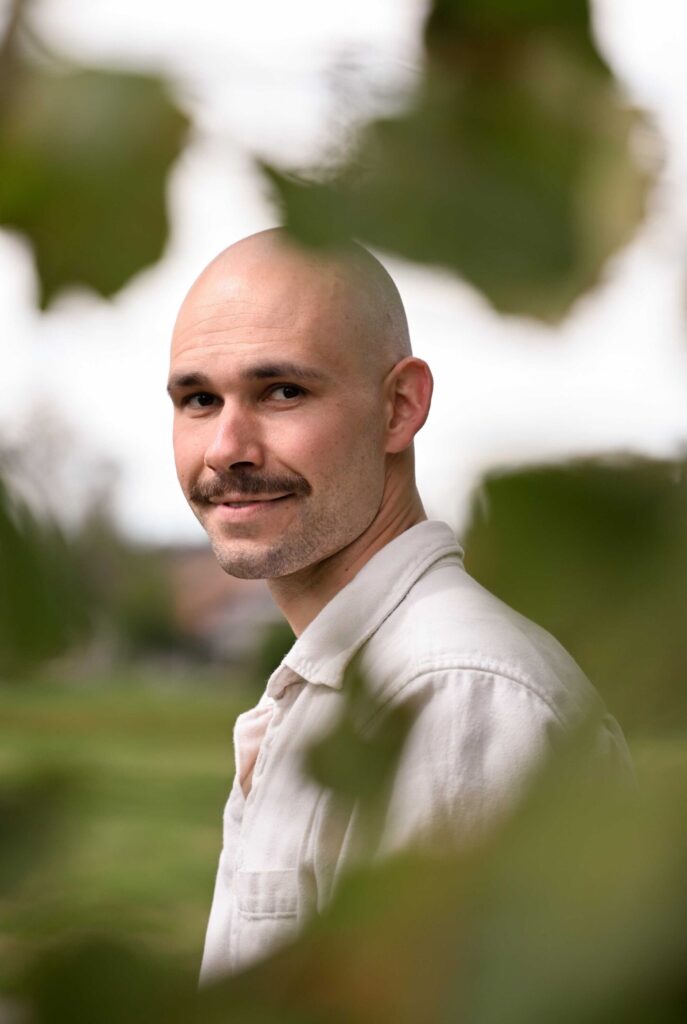
A walnut, a seed pod, a handful of beans. Through the eyes of Swiss artist, ecologist and landscape architect Jonas Frei, the seemingly ordinary becomes extraordinary. His striking studies of seeds, fruits and wild plants are not only beautiful to look at – they also reveal what is quietly disappearing from our landscapes.
 Photographer: Jonas Frei
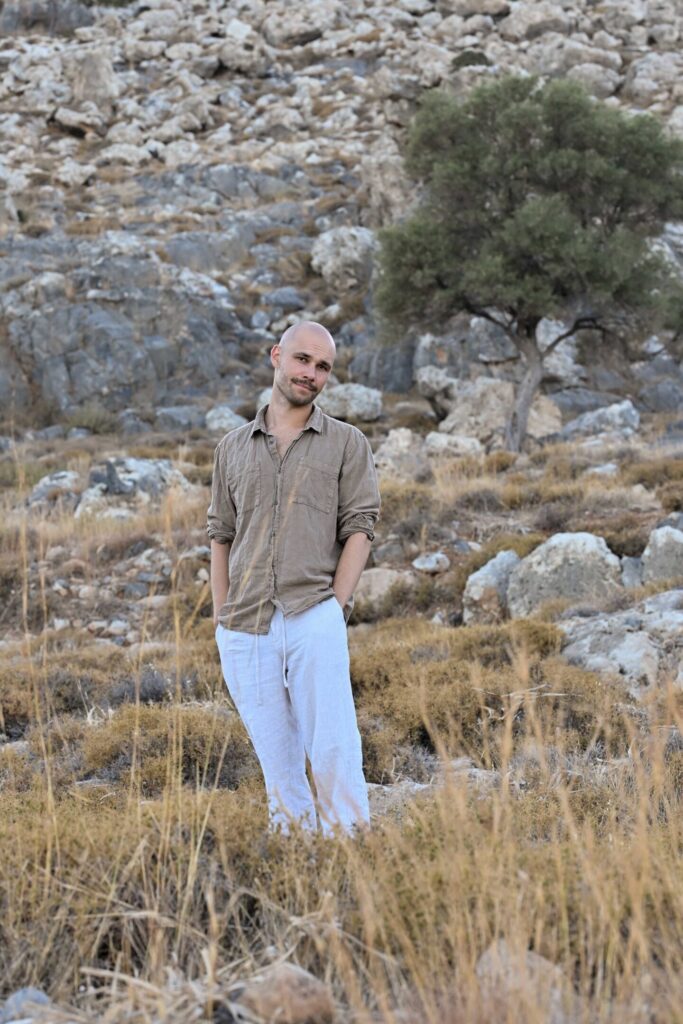
Jonas Frei grew up in an old house in Switzerland, surrounded by a large garden with apple trees, meadows and insects. It was here – and during hikes with his parents – that he developed a fascination with the living world. “I spent all my free time photographing and filming insects,” he recalls, “along with birds and pretty much every other living creature I could find.” At 16, he made his first nature film for Swiss national television.
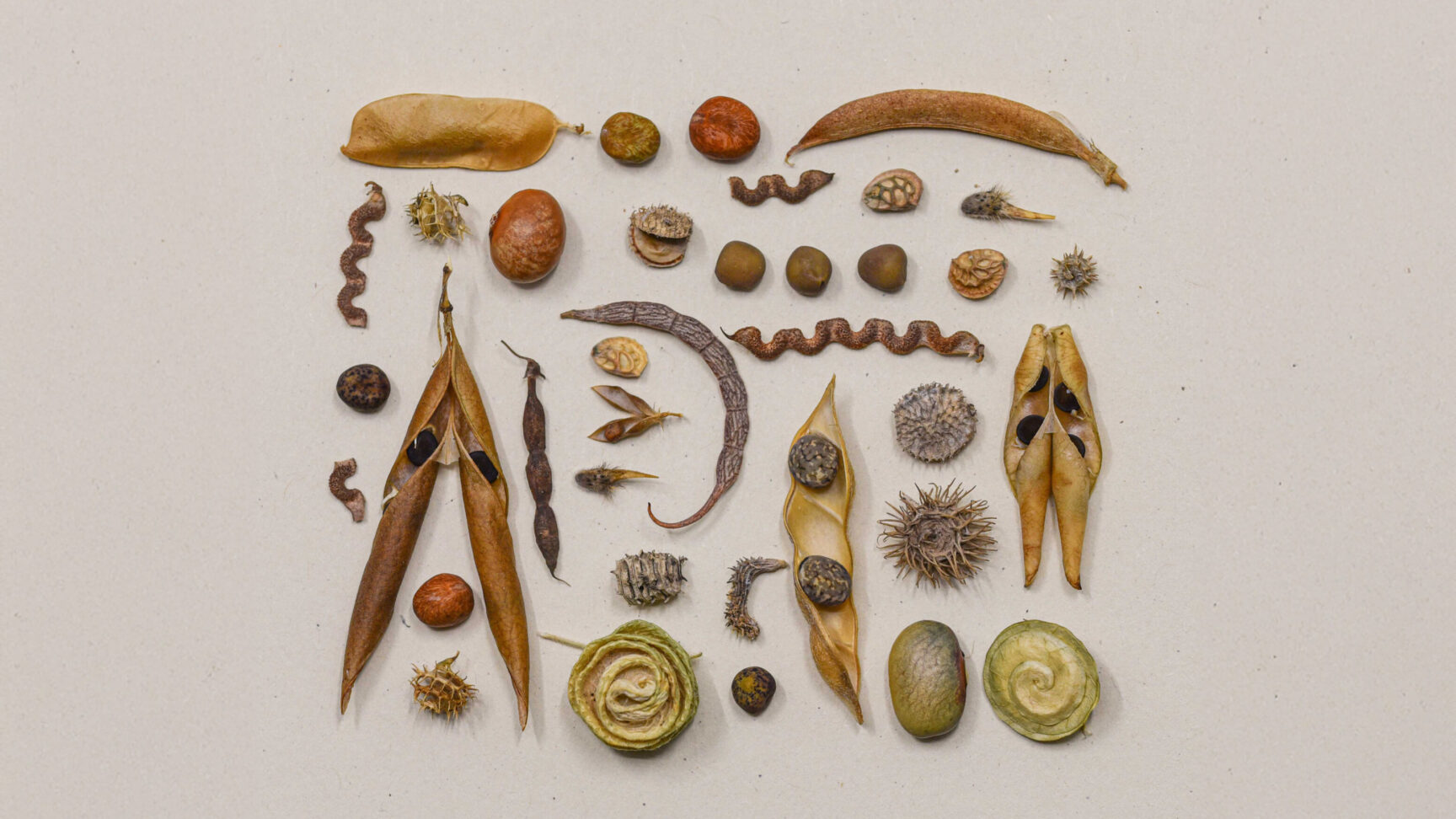
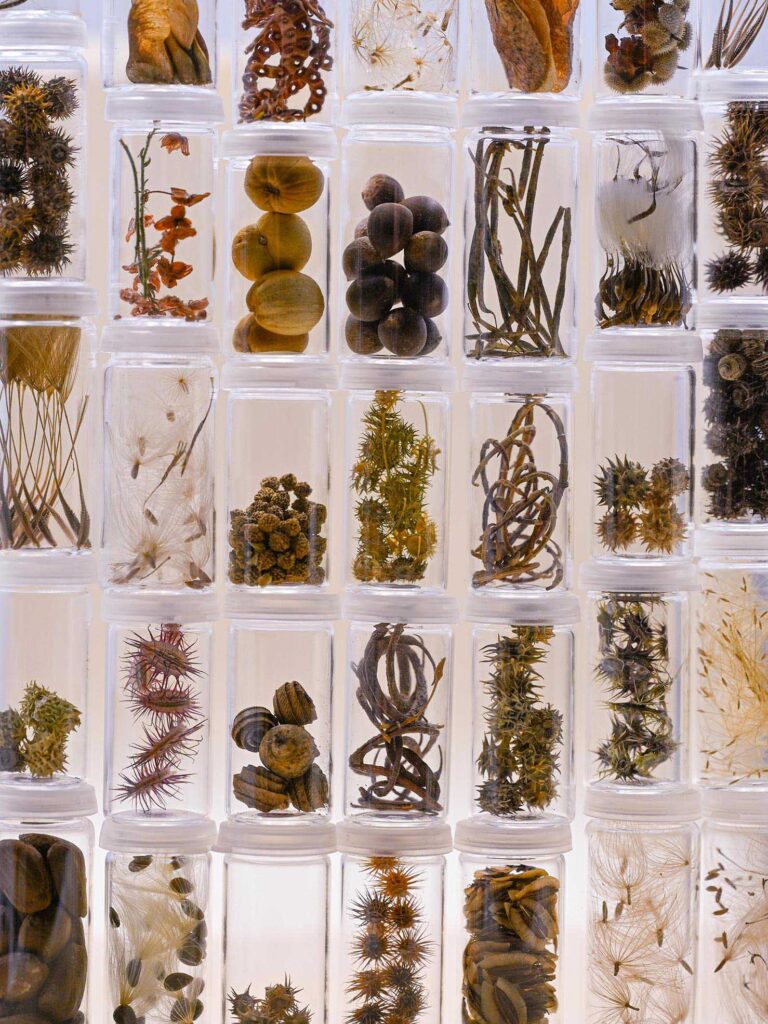
Since then, the ways in which Frei explores the natural world have continued to evolve. More nature films followed, along with studies in landscape architecture and ecology. A few years ago, he began photographing carefully arranged compositions of things so commonplace that most of us have stopped noticing them – the plants growing beside a pavement, the walnuts we eat, the seeds hidden inside familiar plants.
“Most of them are really well known, but many people don’t know about their diversity,” he says, “or simply haven’t paid enough attention to see it. It helps to put them on a white background – like art – and then look at them again.”
Uitgelichte quote
That was the moment I realised: there aren’t just the walnuts we all eat. There are many more species
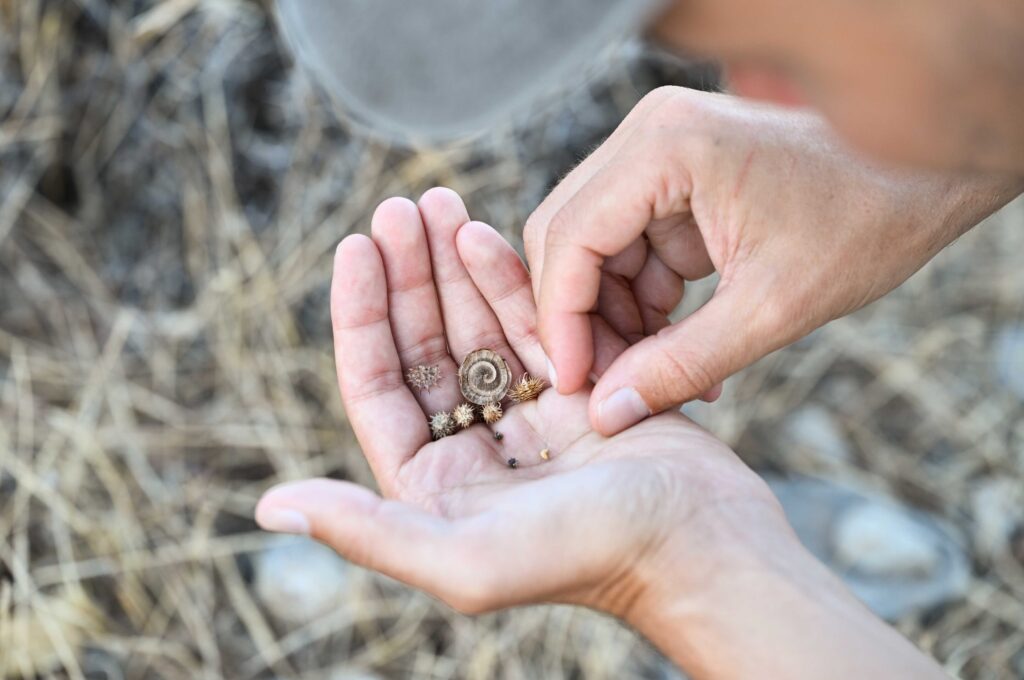 “Countless varieties remain invisible to consumers.” Source: Jonas Frei
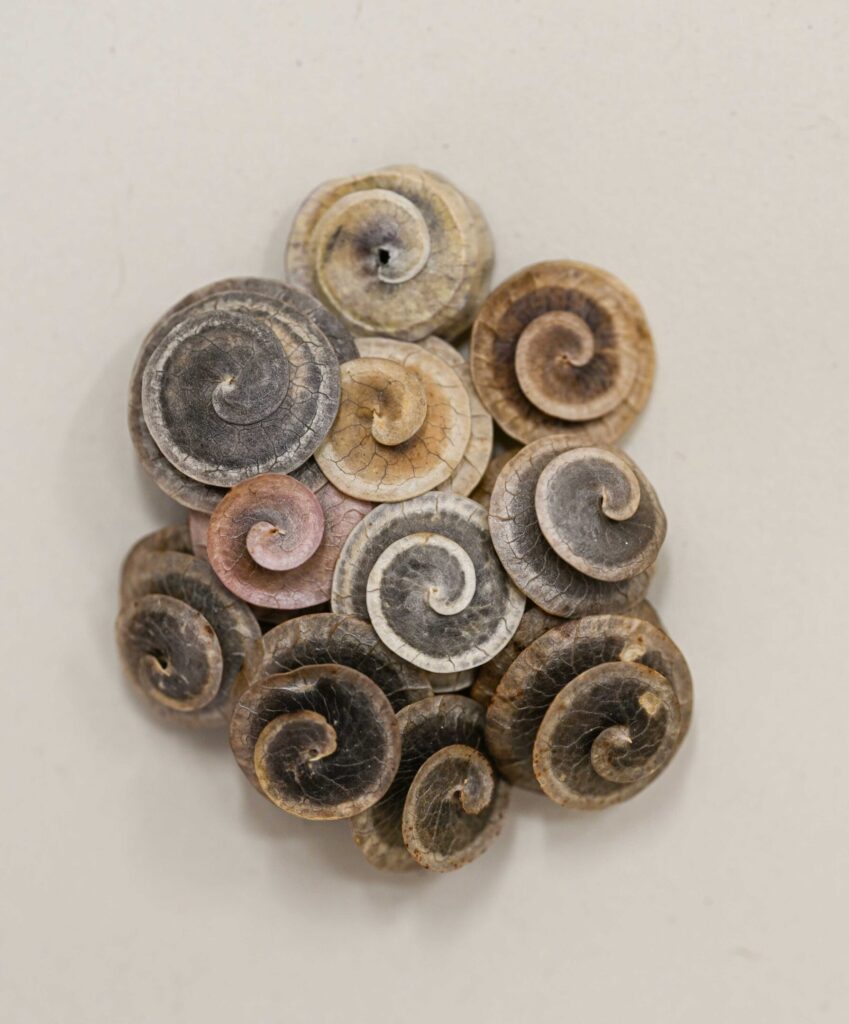 “It helps to put them on a white background – like art.” Photographer: Jonas Frei
The walnut
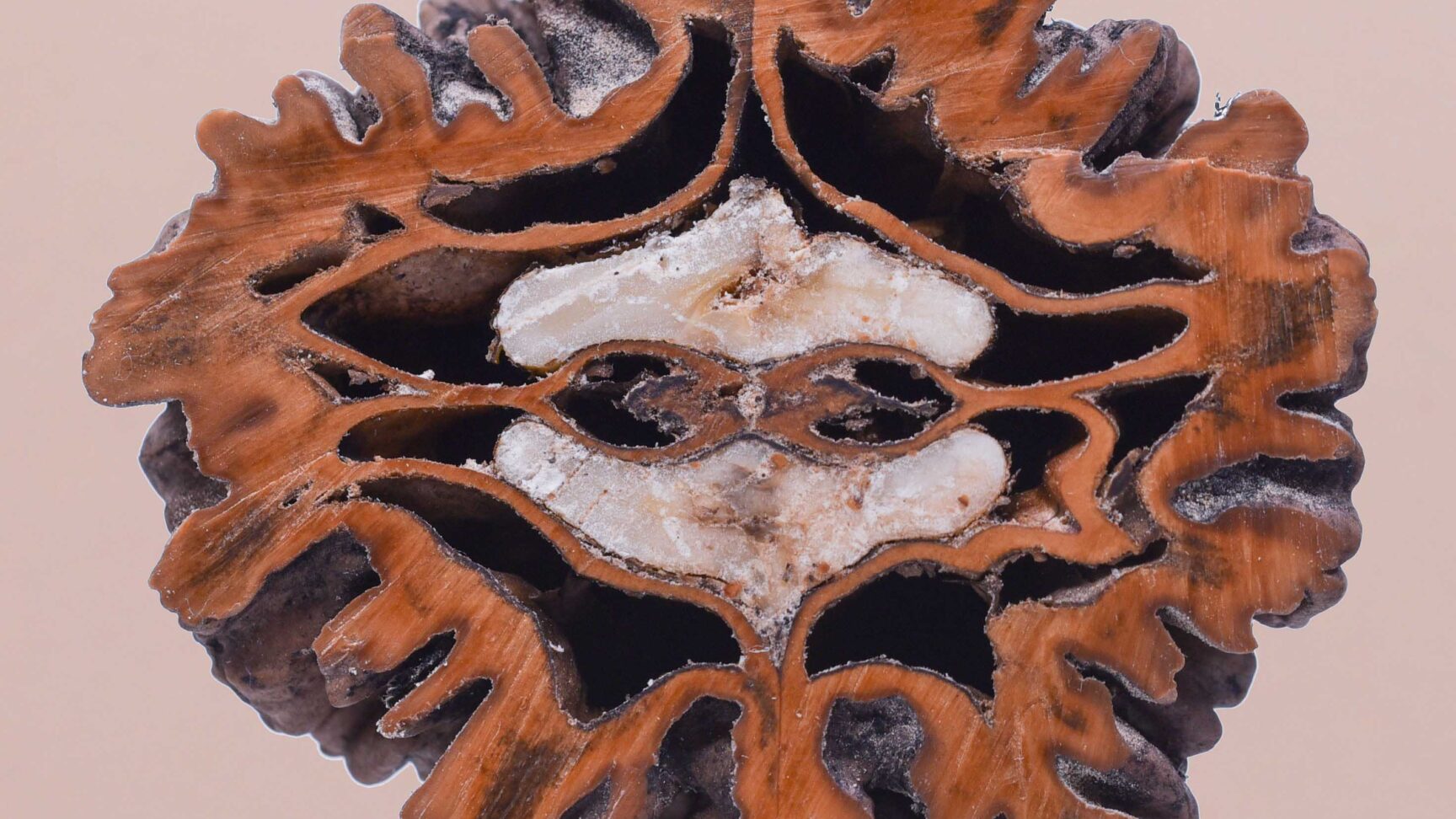
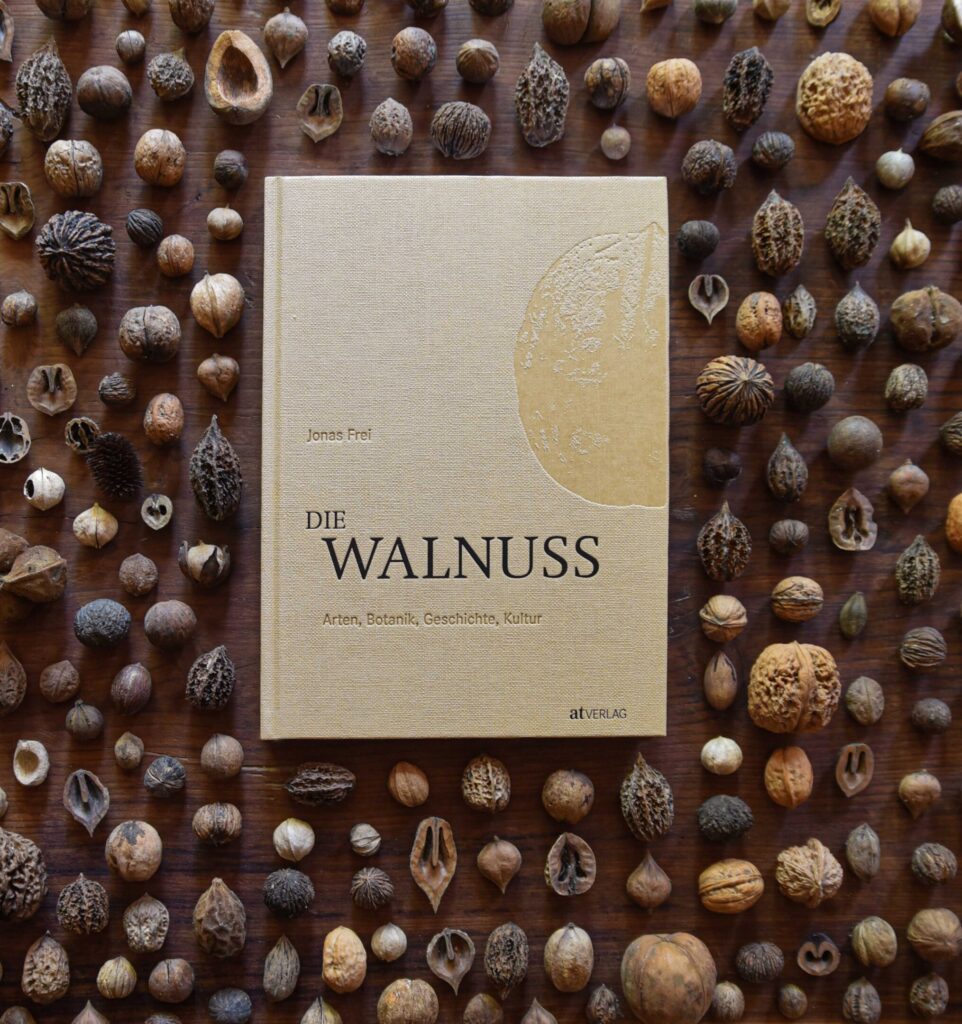
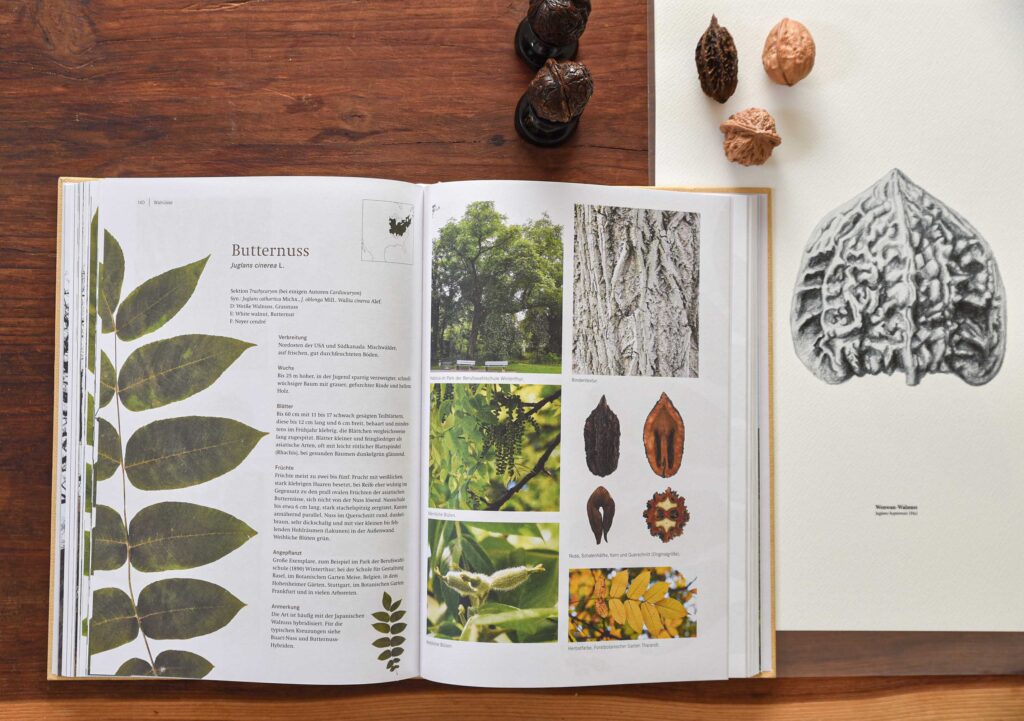
Frei knows that sense of discovery first hand. While walking through a botanical garden in Zurich, something on the ground caught his eye. “I could immediately see it was a walnut, but it was unlike any walnut I’d ever seen before,” he recalls. It turned out to be a butternut, a North American species of walnut. “That was the moment I realised: there aren’t just the walnuts we all eat. There are many more species.”
He began researching the walnut family, eventually writing a book, The Walnut, about its history and diversity. “Cultivated plants are not simply species that exist independently from us: they are the result of long relationships between people and plants”, Frei explains. “Generations of selection, cultivation and adaptation have produced the varieties we eat today.”
“In the case of the walnut, for example, varieties like Franquette and Lara dominate supermarket shelves, while countless others remain invisible to consumers. Some are astringent, others are sweeter. The butternut I first encountered in Zurich has an almost buttery flavour, but it doesn’t crack as easily – which is the reason we rarely encounter it in shops.”
Uitgelichte quote
Ancient and traditional almond groves are shrinking or disappearing
Food diversity
The walnut is just one example of a much wider narrowing of the plants we eat. As the globalised food system concentrates production around a relatively small number of varieties, others disappear from fields, shops and, eventually, from our diets. What is lost with them, Frei argues, is not only a range of flavours, but also genetic traits that could help agriculture adapt to an increasingly unpredictable climate.
“The consequences of this narrowing are perhaps clearest in almonds, the subject of my latest book,” Frei says. “Modern production has increasingly concentrated around a small number of highly productive cultivars. Under intensive growing systems, with large amounts of water and other inputs, they can produce yields that traditional almond trees simply cannot match. That is why, across the Mediterranean, ancient and traditional almond groves are shrinking or disappearing.”
Uitgelichte quote
Many of these plants have deep histories in the regions where they grow
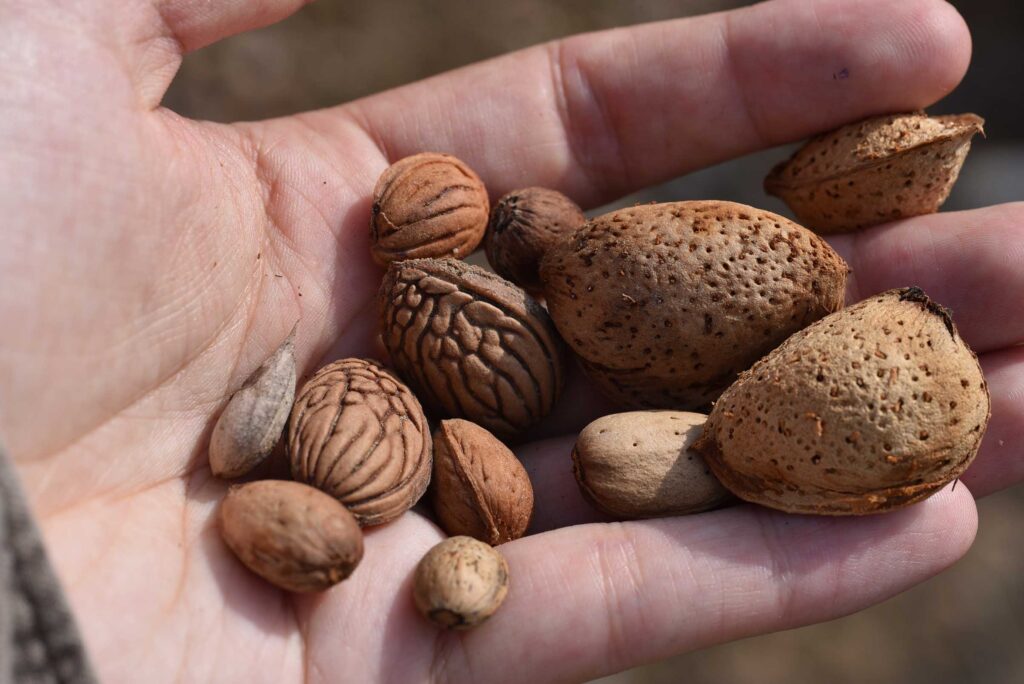 "Almonds are the subject of my latest book." Photographer: Jonas Frei
 Photographer: Jonas Frei
 Photographer: Jonas Frei
“For the future, that’s a huge problem,” Frei continues, “because we are losing genetic diversity that could be very helpful when it comes to adapting to climate change or pests.” One variety might tolerate drought better, another resists a particular disease, while another may cope better with colder winters or hotter summers. “Once those varieties disappear, so do the possibilities contained within them.”
There is a cultural loss, too. Many of these plants have deep histories in the regions where they grow, Frei emphasises. “There is evidence of people gathering hazelnuts in different parts of Europe – including Switzerland – around 8,000 years ago, suggesting they were already travelling to established hazel groves to collect nuts in large quantities. But nowadays, you wouldn’t be able to find Swiss hazelnuts in Switzerland, even though hazel is a native shrub that grows in almost every forest.”
Uitgelichte quote
Losing varieties means losing genetic material, flavours, knowledge and cultural history
 Returning to local varieties is a way for farmers to become less dependent on the globalised market, Jonas Frei says. Source: Jonas Frei
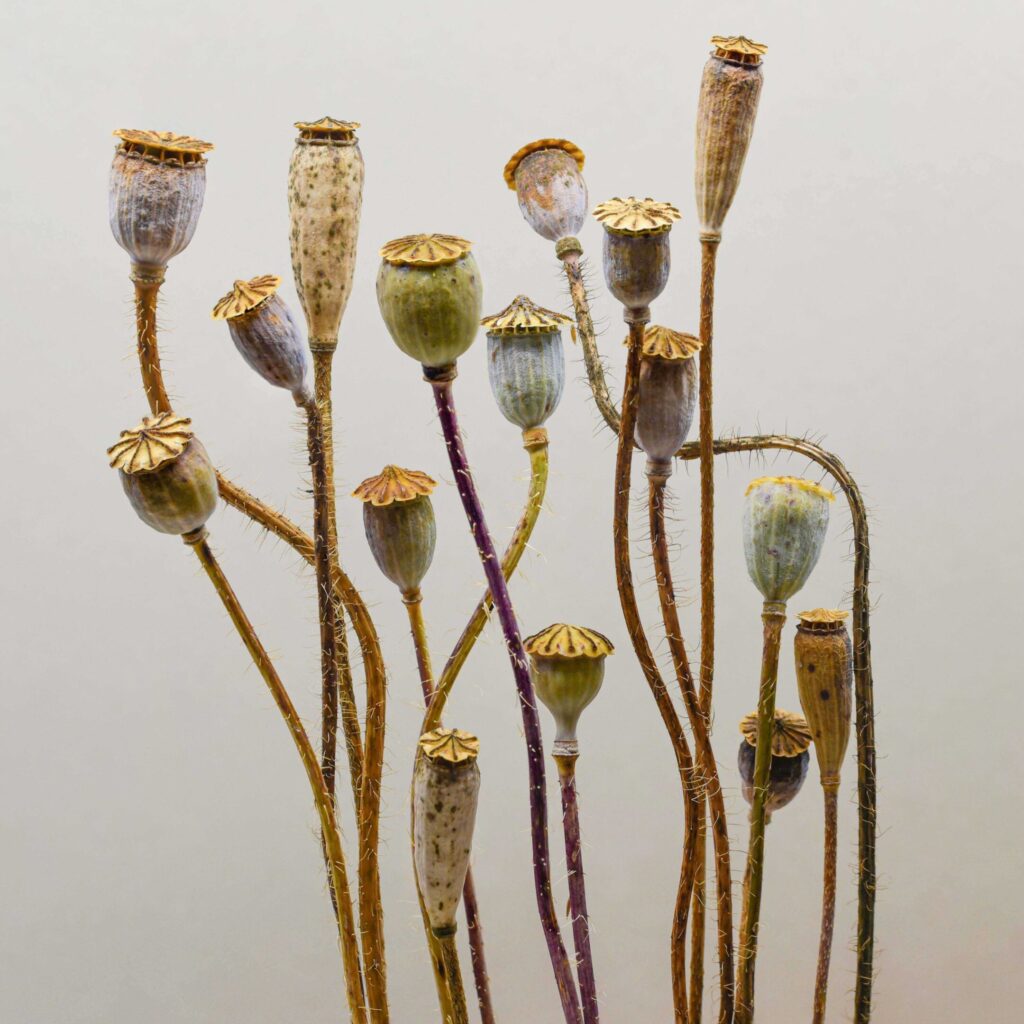 Photographer: Jonas Frei
Seeds
Frei believes seeds could be part of the way back. “Each seed carries genetic traits, but also the imprint of generations of selection: choices made by farmers and communities about what tastes good, what survived in a certain landscape, what ripened at the right moment or worked within a particular cuisine. It’s a capsule of life, a point where past and future meet. Losing that means losing genetic material, flavours, knowledge and cultural history.”
Luckily, Frei sees a growing number of farmers diversifying what they grow, returning to local varieties and reconnecting production with regional markets. Climate change is part of the reason, he says, but there is an economic dimension too. “It’s a way for farmers to become less dependent on the globalised market, and thereby retain a fairer share of the income from the work they do.”
Uitgelichte quote
I could have posted political statements with every botanical photo I’ve ever shared
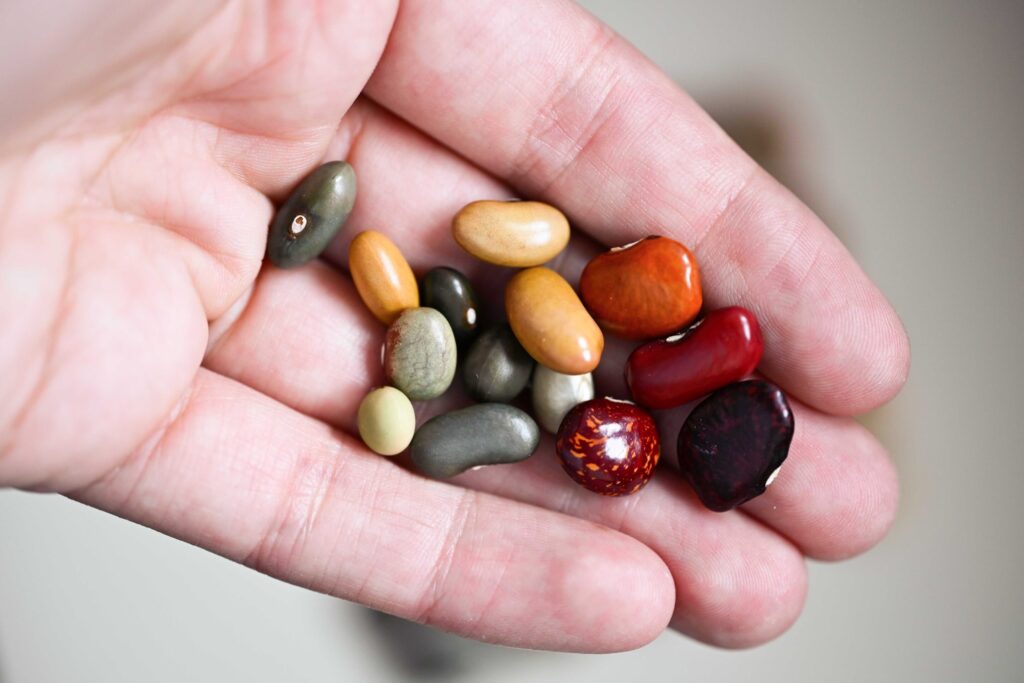 “A lot of what I do, is to show diversity that is part of everyday life, but is often overlooked.” Photographer: Jonas Frei
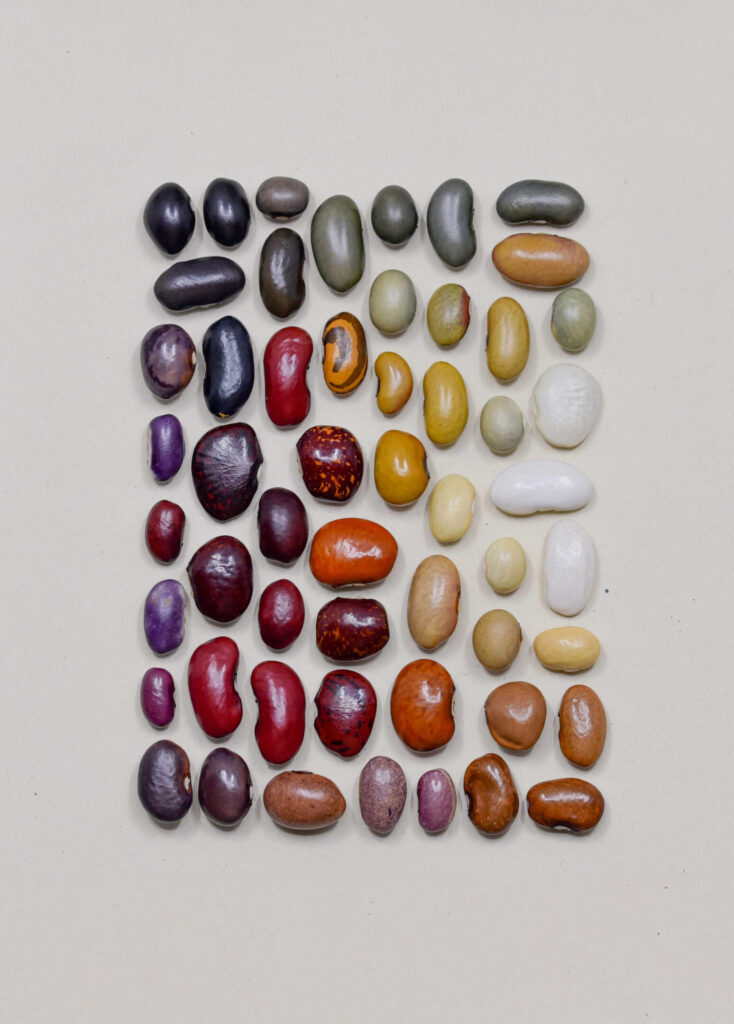 “You can just open your eyes, wherever you are, and see how much plant diversity there is.” Photographer: Jonas Frei
Wonder before warning
“A lot of what I do – with my books, photographs, artwork and even social media posts – is to show diversity that is, or could be, part of everyday life, but is often overlooked,” Frei says. That diversity extends far beyond food. “Much of it is close enough to touch. You can just open your eyes, wherever you are, and see how much plant diversity there is, even in cities.”
His book Urban Wild Plants grew from that idea, documenting the ecological richness found along pavements and walls, on roadsides and in patches of disturbed ground. After it was published, Frei began receiving messages from readers who had started paying closer attention to their own surroundings. “People wrote to me saying: ‘I’m looking differently at the wild plants in my region. I’ve discovered so many species outside my garden, or on the street I walk down every day on my way to work.’”
That response gets close to what Frei hopes his work can achieve. He is acutely aware of the biodiversity crisis unfolding around him, but chooses not to make warning the starting point. “I could have posted political statements with every botanical photo I’ve ever shared,” he says. “Instead, I might post an image of different varieties of corn, accompanied by a scientific description. It gives everyone the possibility to admire it. And hopefully, in the longer term, it connects people who aren’t already in this bubble with the idea of diversity being a positive thing.”
Ready to support a localized and diverse food system? Read our interview with Local Futures founder Helena Norberg-Hodge.