Ruud Sies &
Hanneke van Hintum
Activities:Regenerative storytelling
Founder:Ruud Sies & Hanneke van Hintum
Launched:2017
Location:Everywhere around the world
Introductie
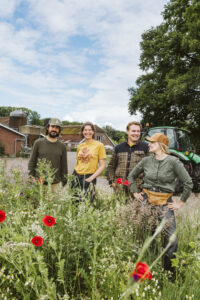
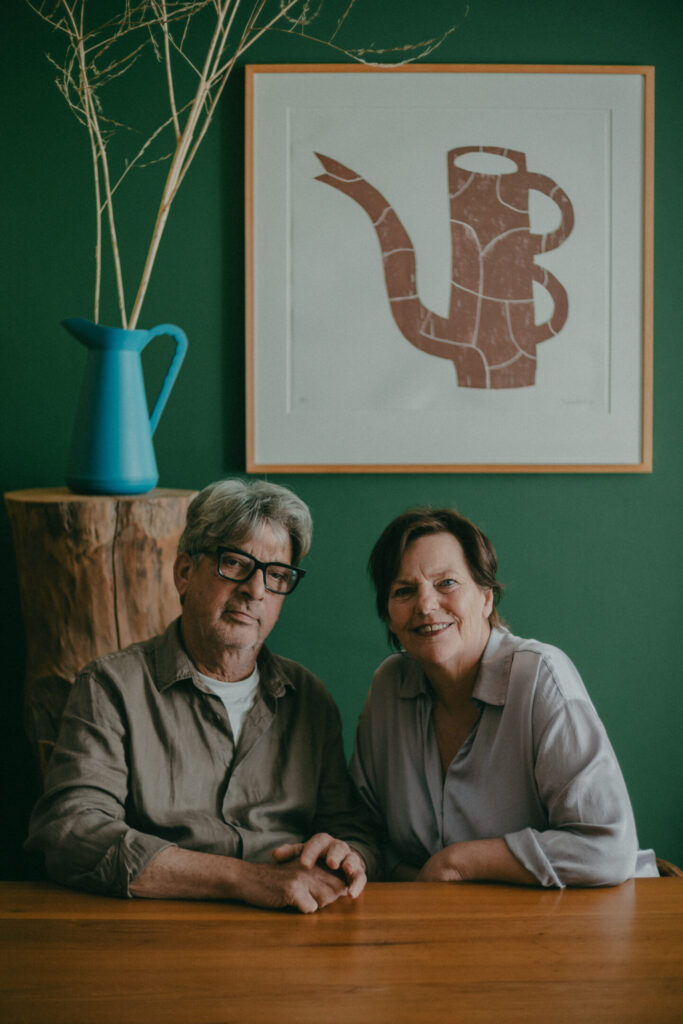
For almost nine years, photographer Ruud Sies and Hanneke van Hintum have travelled the world in search of a different food story. Meeting farmers, scientists and chefs along the way, their journey became Good Food: a photography and film project exploring farming, food culture and our relationship with the land. “At some point, it becomes part of your life.”
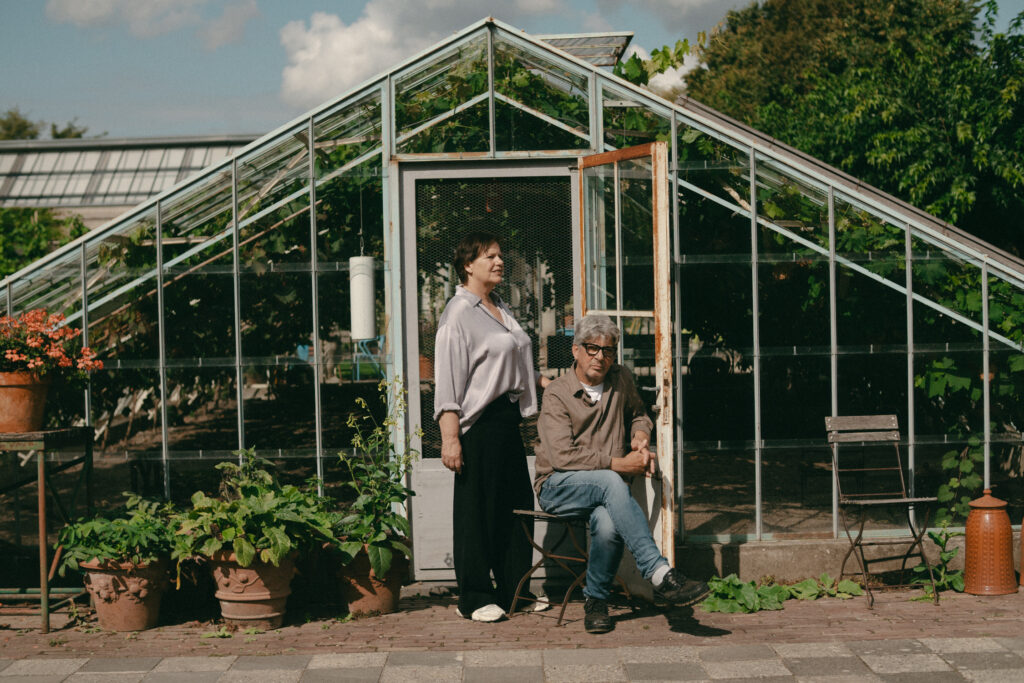 “If you choose to do this, you simply have to adapt your life to it.” Photographer: Renata Chede
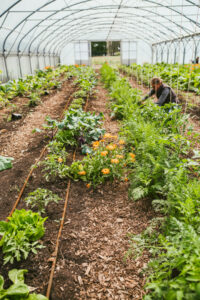
It started on a strawberry farm in California. Hanneke and Ruud were there for Koppert, a Dutch company specialising in organic crop protection, which had asked them to create a book for its 50th anniversary. “We were standing among these vast strawberry fields, thousands of hectares, speaking to the person responsible for making it possible to run the farm without chemical pesticides,” Ruud recalls. “I thought: this is such an extraordinary story. We should capture it on film too.”
California turned out to be just the beginning. As they travelled around, one surprising encounter followed another. “Along the way, the idea emerged: we need to create something that gives all these farmers and their stories a place.”
Uitgelichte quote
There’s an incredible amount of knowledge, and a deeper wisdom about life itself, in what we hear
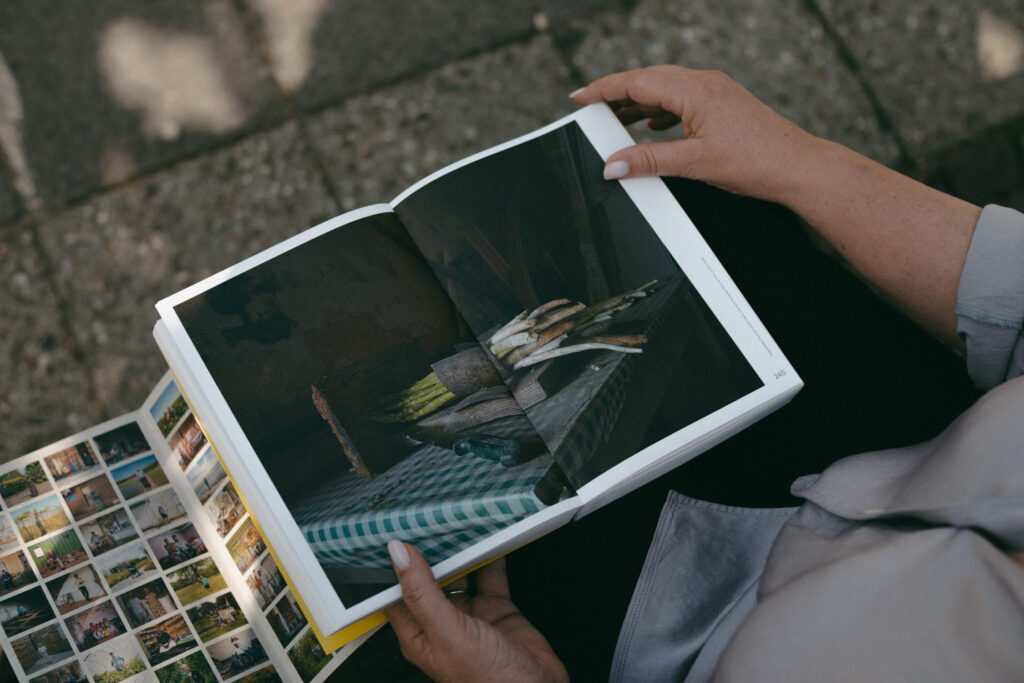 Photographer: Renata Chede
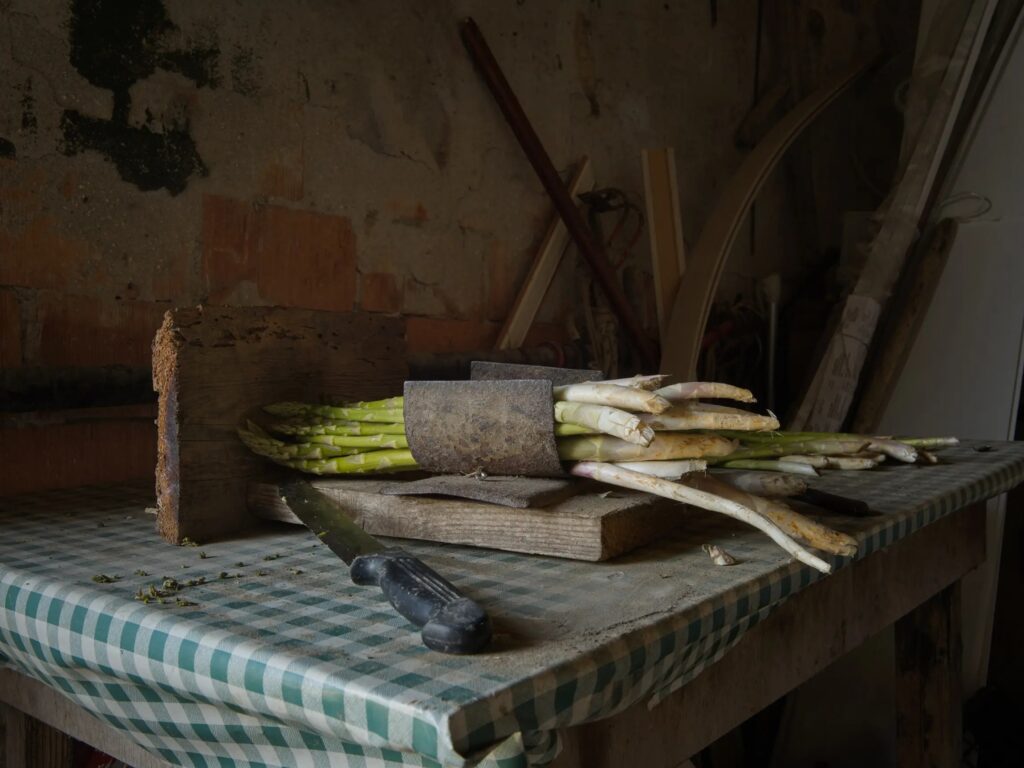 Harvest from Le Saline farmhouse, Lio Piccolo, Italy. Photographer: Ruud Sies
Good Food
Nine years on, Ruud and Hanneke have visited 130 farmers, scientists, chefs and other food pioneers, from Belgium and Iceland to Romania, Mexico and Uganda. They spend much of the year on the road – and have no plans to stop.
The project has reshaped their lives at home, too. “We used to live in a big house in Rotterdam, but we sold it and moved to a smaller house in a nearby town,” Hanneke says. “If you choose to do this, you simply have to adapt your life to it. There’s no other way.”
Perhaps unsurprisingly, Good Food feels less like a finished project than the beginning of something much bigger. “This is the launch,” Hanneke says. “A new way of life.”
Uitgelichte quote
if an 18-minute film has the right energy, people will watch the whole thing
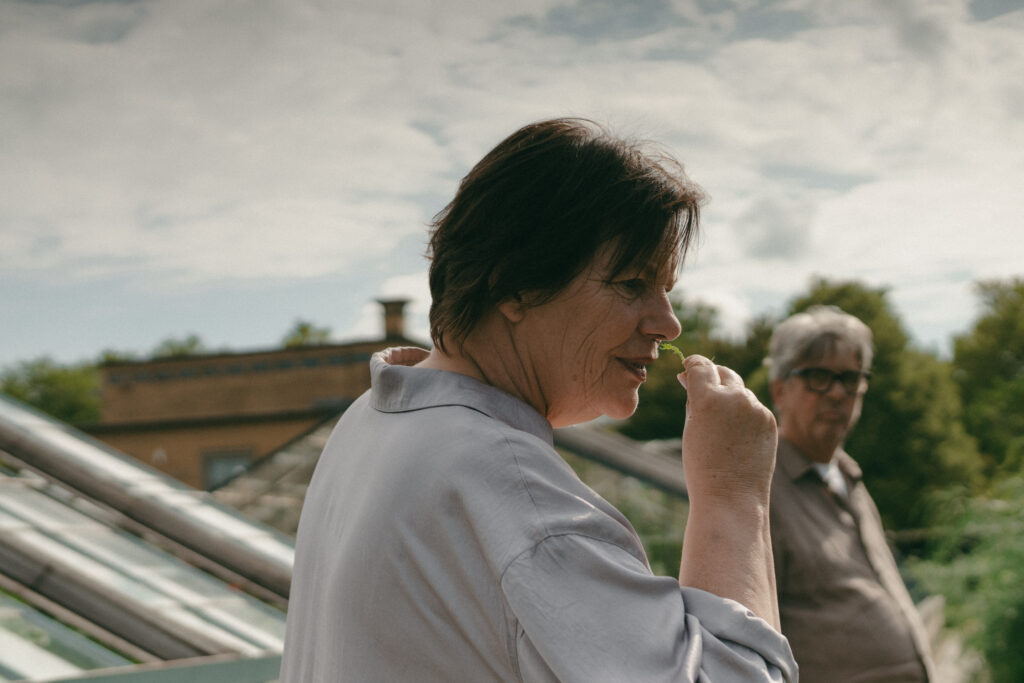 No posing or staging, just capturing what unfolds in front of them – that’s the essence of Good Food. Photographer: Renata Chede
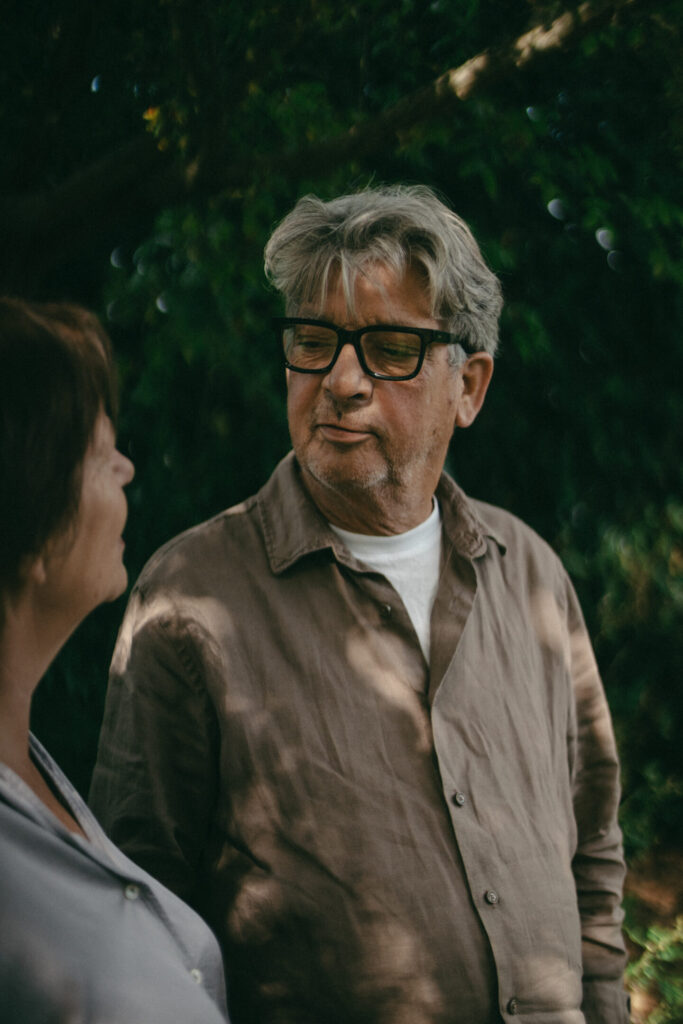 “A little kitchen or a small room: I choose my shot, and that’s it for me.” Photographer: Renata Chede
The art of paying attention
There is no fixed script behind Good Food, nor a list of questions to work through. “We’re not there to extract something from people; we’re there to genuinely get to know them,” Hanneke says. The same goes for the films. “It emerges from whatever people want to share in that moment.”
The conversations often reach far beyond food. “There’s an incredible amount of knowledge, and a deeper wisdom about life itself, in what we hear,” she says. Most of the films are one-takes, recorded straight from the heart. “Of course, you get plenty of well-intentioned advice: your videos have to be short and flashy, otherwise people will switch off. But if an 18-minute film has the right energy, people will watch the whole thing. There are no hard-and-fast rules.”
Ruud approaches his photography in a similar way: no posing or staging, just capturing what unfolds in front of him. “They really are encounters, so I try to keep my photography as spontaneous and natural as possible.”
He always works with natural light and takes surprisingly few photographs, too. “I don’t want people to become conscious of having their picture taken. Otherwise they start polishing their shoes, combing their hair, washing the car – that’s exactly what I want to avoid.” Instead, he finds his frame and often takes just two or three shots. “A little kitchen or a small room: I choose my shot, and that’s it for me.”
Uitgelichte quote
Of the 130 stories we’ve made, we’ve eaten with farmers 110 times
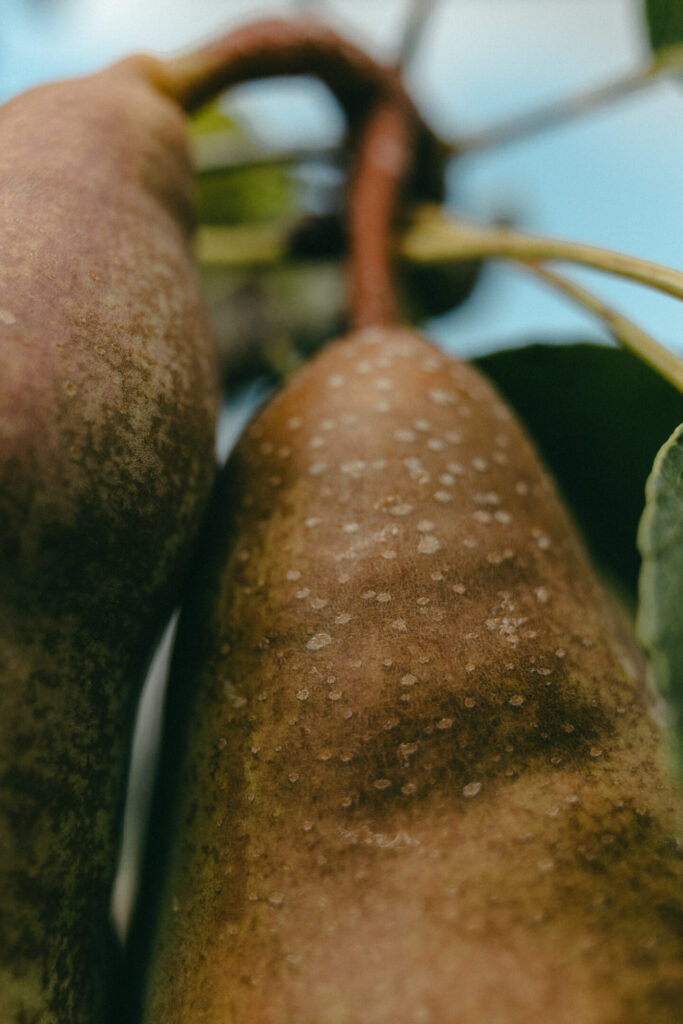 Photographer: Renata Chede
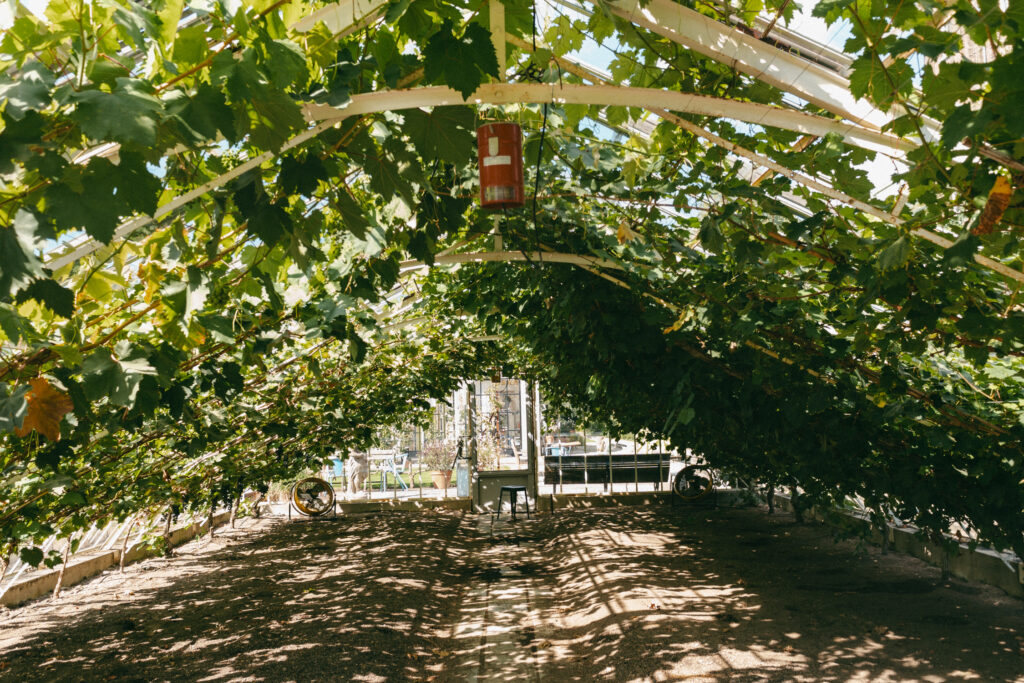 “The globalisation of our food system has led to an enormous loss of diversity.” Photographer: Renata Chede
Food as culture
“Of the 130 stories we’ve made, we’ve eaten with farmers 110 times,” Ruud says. “Whether it was lunch or dinner, those meals set us on a path towards exploring flavour and preserving local tastes.”
What they found was a richness that is increasingly under threat. “The globalisation of our food system has led to an enormous loss of diversity,” Ruud says. “Every city is the same, the shops are the same, the restaurants are the same. The flavours are the same.”
Yet some farmers are pushing in the opposite direction. “We call them agro-chefs: farmers who use everything they produce in the kitchen of their own restaurant. There’s an incredible amount of wisdom and knowledge there, often built up over generations. Some families don’t even know how many generations they’ve been working the same land.”
For Ruud and Hanneke, this points to something bigger: how radically our relationship with food has changed. “Agriculture is 10,000 years old,” Ruud says, “while modern industrial agriculture has only existed for about a century. Synthetic fertilisers, chemicals and monocultures are inventions that are less than 100 years old. Yet they have completely changed the way we look at our food.”
For Ruud, even the language we use reflects that shift. “In the Netherlands, we always talk about ‘landbouw’ – literally, cultivating the land – while the rest of the world talks about agriculture. That’s a significant difference. Agriculture is also about culture: food culture, communities and our relationship with the land.”
Uitgelichte quote
Young farmers no longer want to be part of the problem, but part of the solution
A shift from the ground up
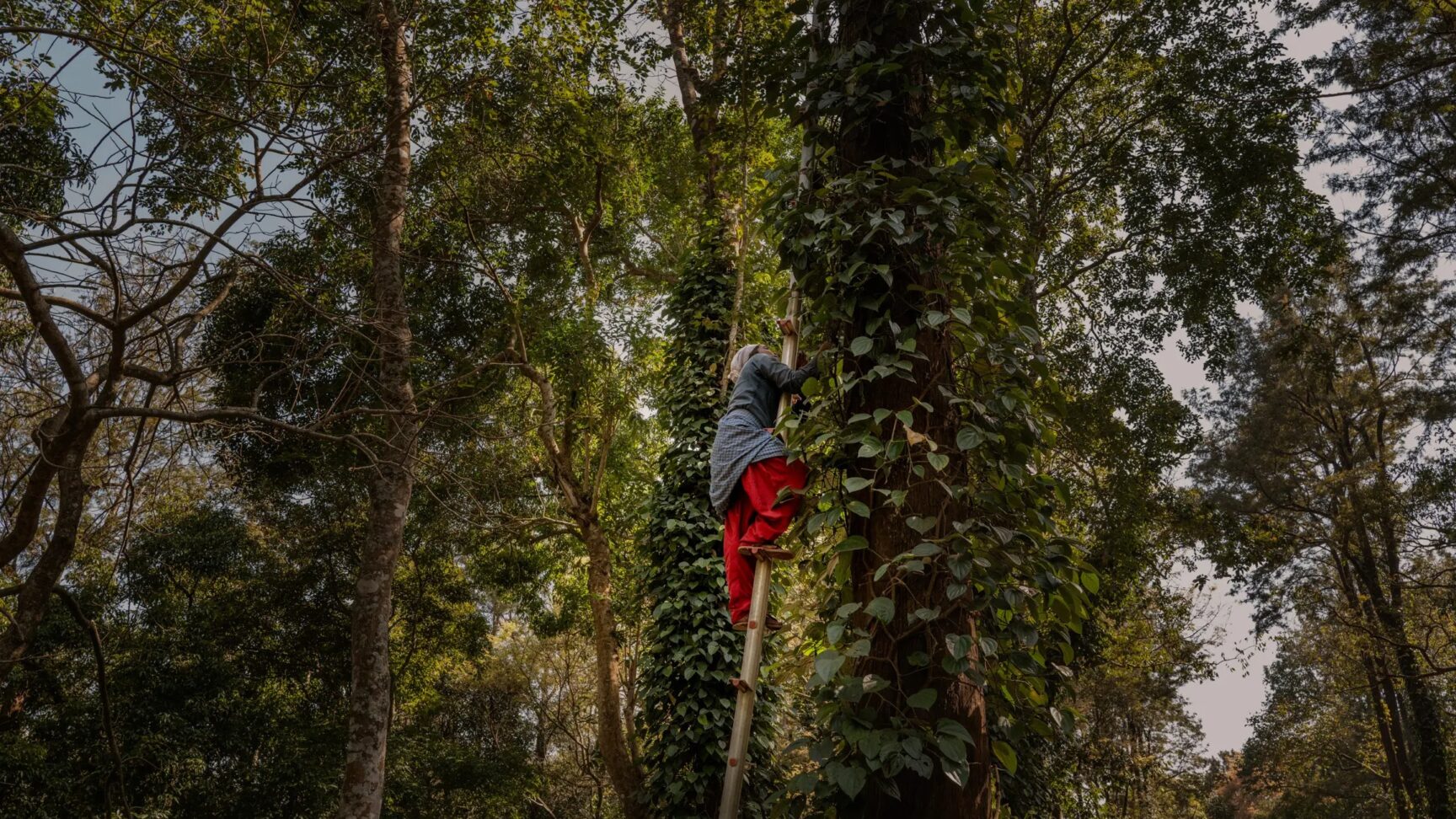
“What we hear farmers – especially younger farmers – say again and again is: we no longer want to be part of the problem, but part of the solution,” Ruud says. But changing course rarely comes without resistance. “Whether it comes from a neighbour, the banks, large agricultural companies or their own family.”
For Hanneke, we have reached a point where a choice has to be made. “You really have to choose a path. And then start walking it. And it’s not a path you walk alone – you need others around you who share the same vision.”
In these grassroots movements, Ruud and Hanneke find the most cause for optimism. “Politicians are failing us, of course. What we’re doing is too little, too late,” Ruud says. “But locally, all these initiatives are springing up. That’s the hope and optimism we want to convey.”
Uitgelichte quote
None of this is a trick. This is really who we are
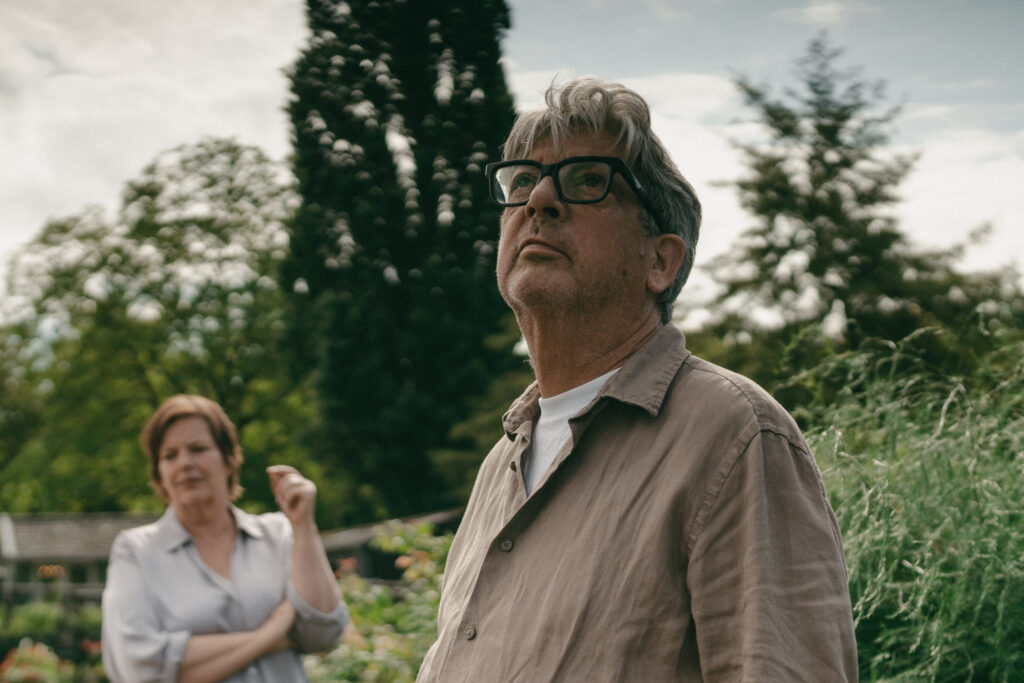 “It’s not a path you walk alone – you need others around you who share the same vision.” Photographer: Renata Chede
 Photographer: Renata Chede
The journey continues
There is a book now, and an exhibition at the Dutch National Museum of Photography. But for Ruud and Hanneke, it still feels like the beginning.
Their archive alone contains countless stories still waiting to be told. “There are so many different threads you can pull from it,” Hanneke says. “Because this isn’t just one subject. It’s not only about farming; it’s a story about society. Whether you approach it through ethics, food production or what it means to live a good life – the possibilities are endless.”
They hope Good Food will keep travelling in the years ahead, far beyond the walls of museums. “It could just as easily be shown at a major festival,” Hanneke says.
Ruud and Hanneke will keep travelling too, following their curiosity wherever it takes them. Their only requirement? That their sense of wonder remains genuine. “None of this is a trick,” Hanneke says. “This is really who we are.”
Until the 1st of November, the Good Food exhibition is on display at the Dutch National Museum of Photography. Their book brings together Ruud and Hanneke’s stories, photography and journeys. Discover more through their online platform, Resilience Food Stories.