Merle Koomans van den Dries
Activities:Organic and cooperative supermarket
Founder:Merle Koomans
Launched:1983
Location:Everywhere in the Netherlands

Introductie
In a food system increasingly defined by scale, concentration of power and profit, Merle Koomans van den Dries is working to build a different logic with Odin. A system rooted not in extraction, but in relationship. Not growth for growth’s sake, but investment in soil, biodiversity and community. “At its core, it’s about something very simple: our food – and how we take care of it.”
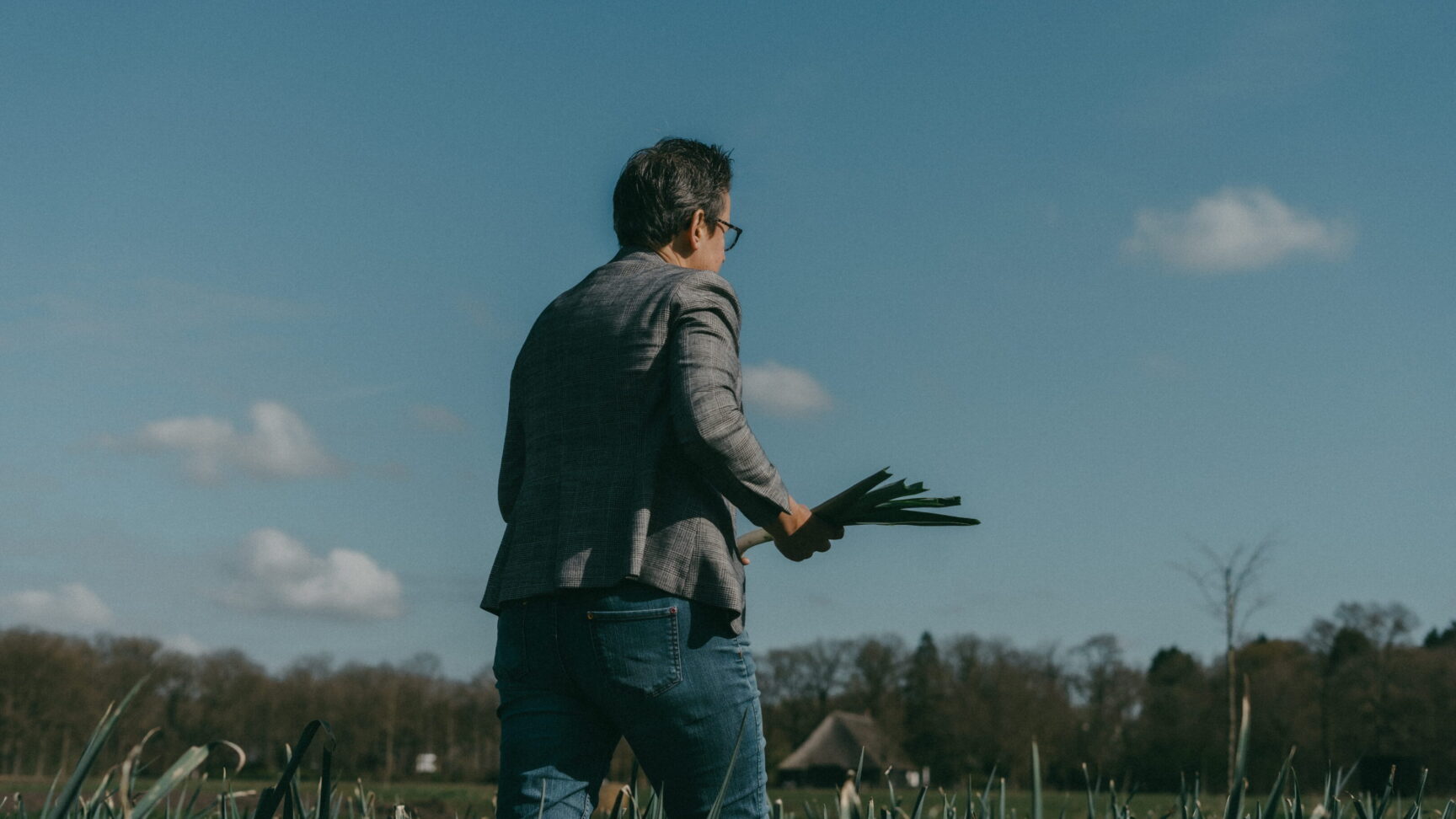
 “You’re operating within an economic system you’re also trying to change.” Photographer: Renata Chede
“If you look at what’s on supermarket shelves, most of it is ultra-processed. There’s an enormous amount of manipulation involved – and a lot of money is made from it”, says Merle Koomans van den Dries, who has been director of Odin since 2017. “You see that reflected in the Quote 500: a striking number of people on that list have built their wealth within the food system – often at the expense of others, animal welfare, and the health of nature and biodiversity.”
“That’s the core flaw of the system: the assumption that you can keep extracting indefinitely, without it ever breaking down”, Merle continues. She points to executive bonuses at Dutch supermarket chains such as Ahold Delhaize – which, following a policy change, can now rise to €9.5 million — and to Jumbo’s recent €72 million dividend payout.
“I’m not trying to criticise anyone. But if, on the one hand, you say there’s no room to invest in organic and fresh food, while on the other you’re paying out sums like these, it does raise a fundamental question about what you actually choose to prioritise.”
Uitgelichte quote
When we started good, fresh food grown without pesticides was hard to come by

Odin
For more than four decades, the organic supermarket chain Odin has taken a different approach. “When we started, organic was anything but mainstream, and good, fresh food grown without pesticides was hard to come by”, Merle says. “The idea behind Odin was to better align supply and demand – between farmers and consumers – and to act as a kind of intermediary in that process.”
The cooperative began as a wholesaler. “At one point, we were distributing around 28,000 vegetable boxes a week. Then the shops came – a handful of independent stores that needed support. Suddenly we had retail locations, that was around 2000. From there, we continued to build.”
Today, Odin has 40 stores and more than 23,000 members. “These are households – from single-person homes to large families – who shop with us and have a say in how their supermarket and Odin as a whole is run”, Merle explains. “So it’s not just: ‘I shop there’, but also: ‘it’s my shop. I want to be involved.’”
Uitgelichte quote
it’s not just: ‘I shop there’, but also: ‘it’s my shop


Ownership
“Our members own everything we do”, Merle explains. “Through the members’ council, they decide how we spend our money, what we invest in, and the direction we take. That’s what makes it such a distinctive model: you consciously choose to run a company together with so many people.”
To keep it manageable, the members’ council is made up of representatives from different groups, including employees, customers and the foundations or associations that provide capital. “The balance is set so that customers have seven representatives, employees five, and capital providers three – ensuring that capital never dominates.”
Because Odin’s mission – as both a cooperative and a steward-owned company – remains central to everything it does, extracting value is not the starting point. “If money were ever to flow in abundantly, we’d be more likely to ask: can we lower prices in-store? Or invest in an additional farm? A €9.5 million bonus — that’s simply not on the table. We don’t do bonuses.”
Uitgelichte quote
It’s really a place for pioneering – for everything that’s still in development
An investment in the future
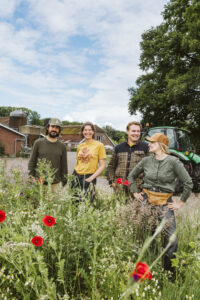
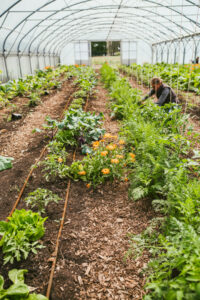
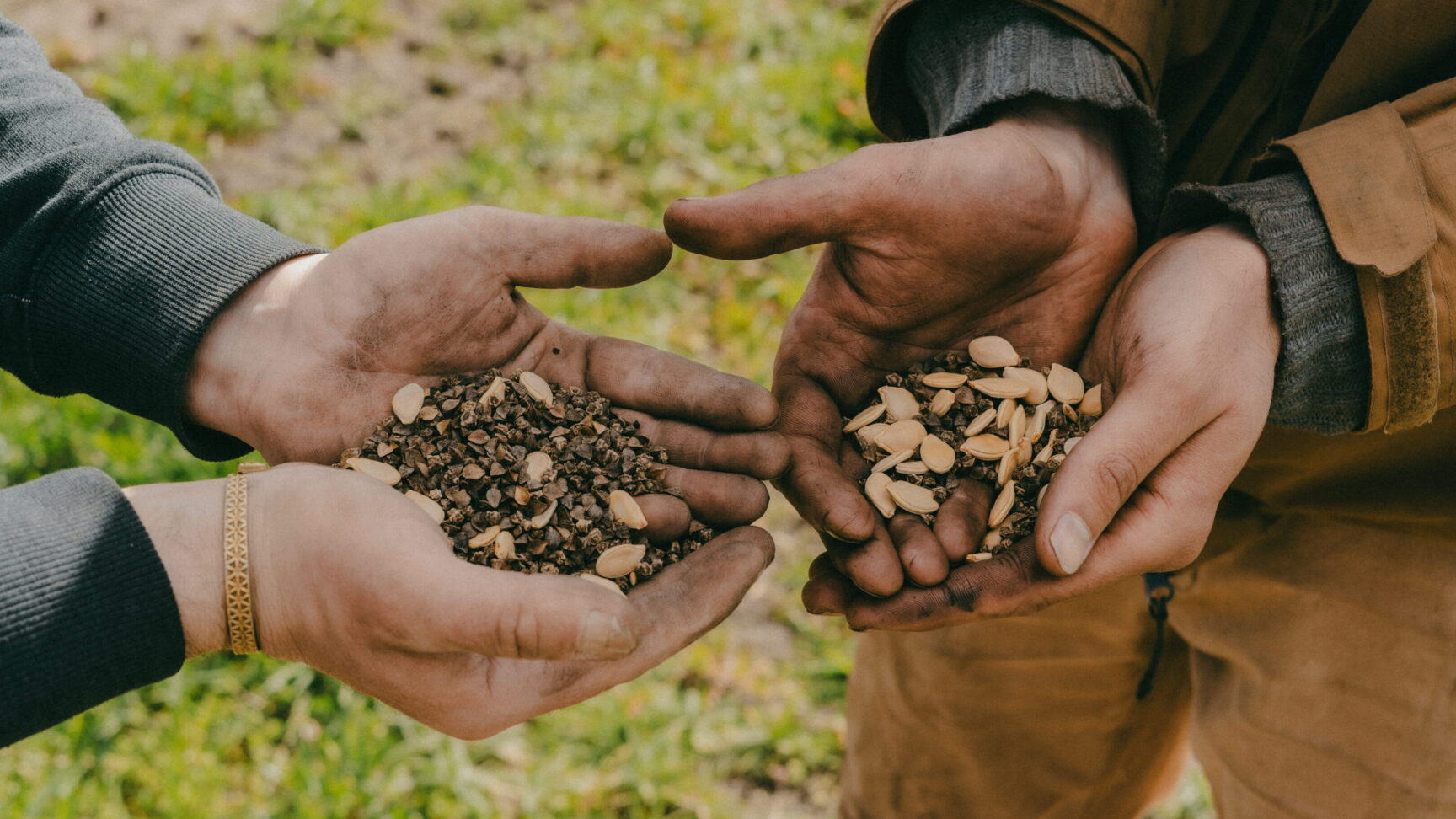
At Odin’s cooperative farm in the Dutch town of Oostelbeers – acquired by the supermarket chain in 2016 – the focus is not just on production, but on experimentation and development.
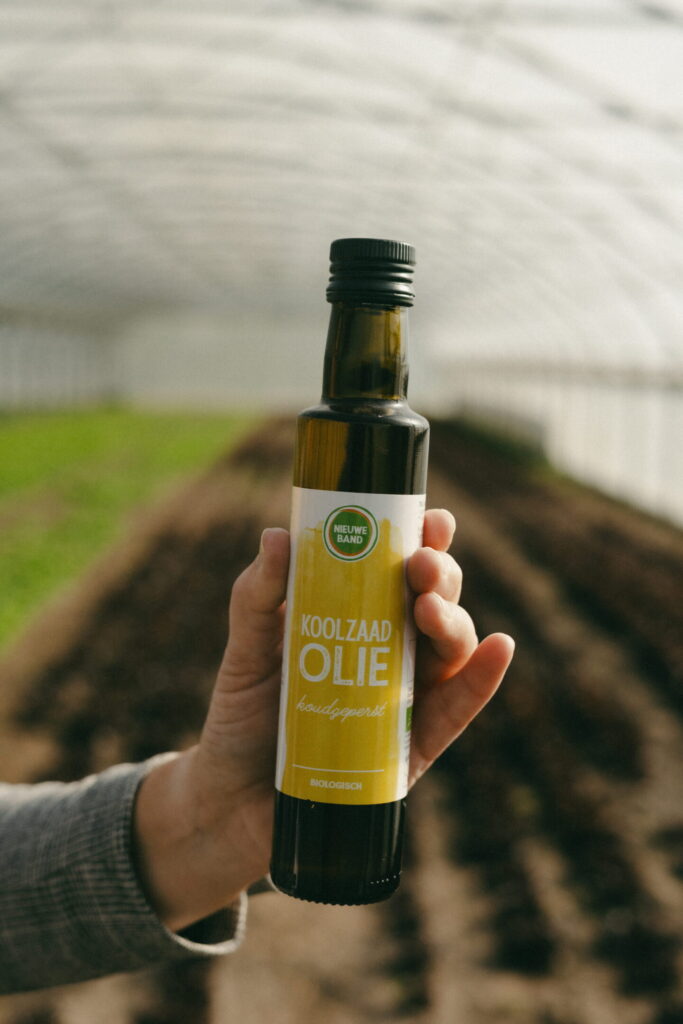
“We grow dye plants for textile artist Claudy Jongstra, for example, and we’re working on a project to bring back an old variety of buckwheat – helping farmers, particularly around protected nature areas, to cultivate it sustainably again”, says Merle. “It’s really a place for pioneering – for everything that’s still in development.”
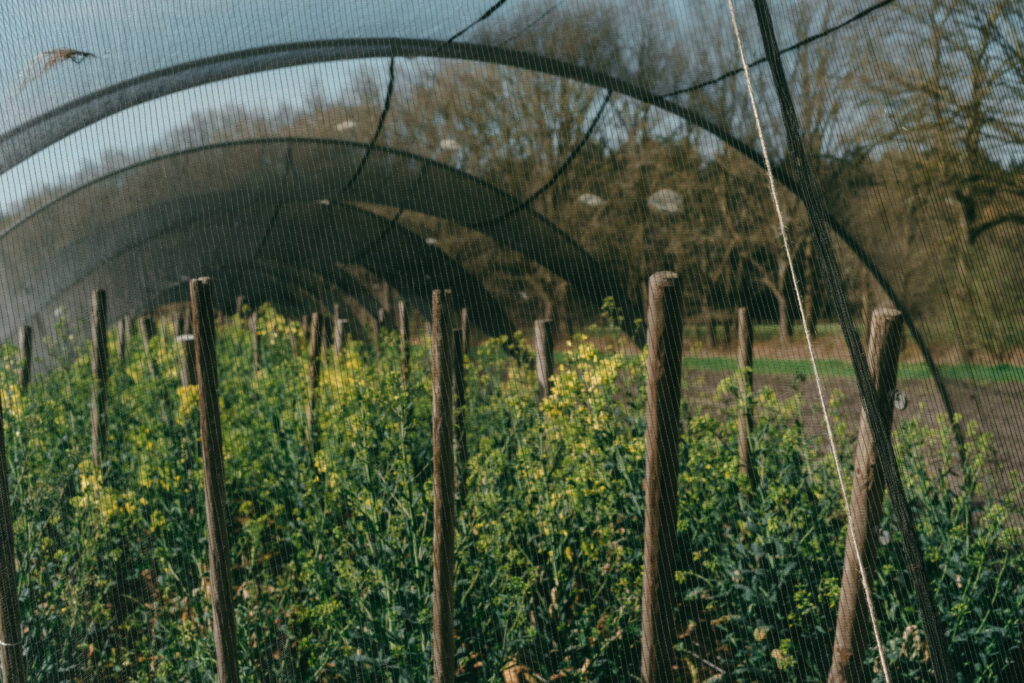
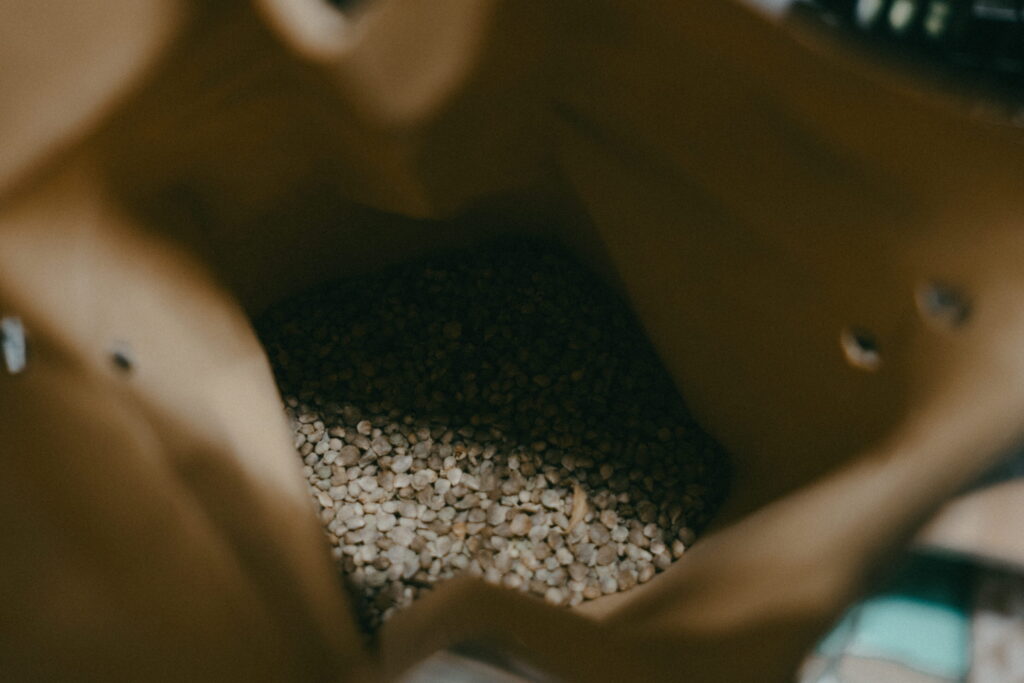
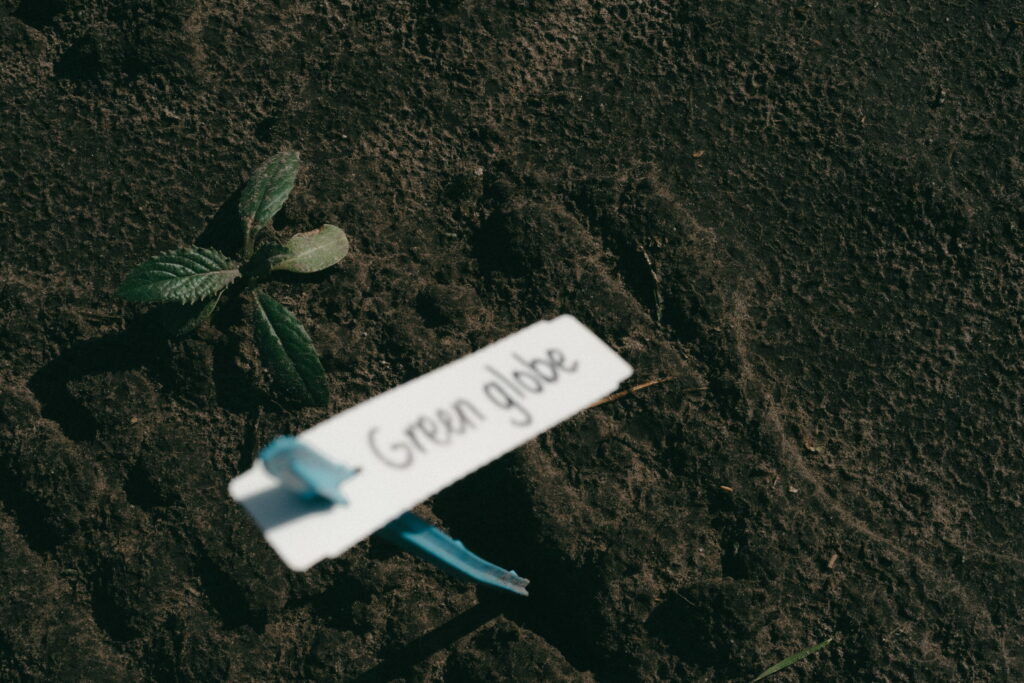
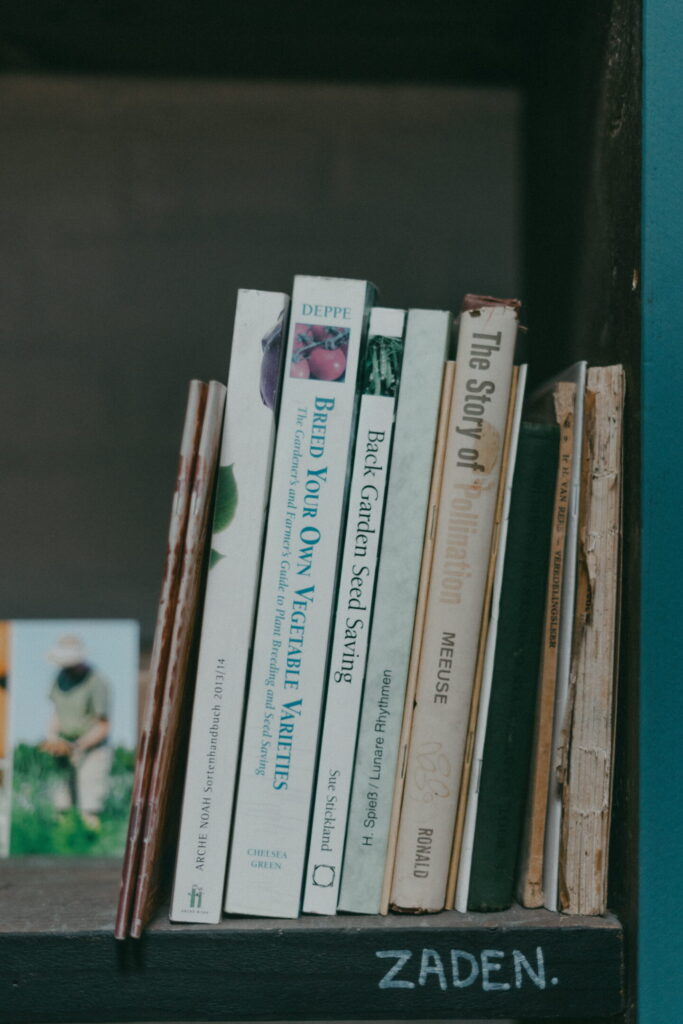
Seed breeding is also part of that work: selecting and developing robust organic varieties that are adapted to local soil and climate conditions, reducing the need for synthetic fertilisers and chemical pesticides. “On the balance sheet, it’s treated as a cost”, Merle says. “But I see it as an investment in the future.”
Uitgelichte quote
Together with our customers, we contribute to a healthier society
Short supply chains
To create lasting change in the food system, stability is essential – for both farmers and retailers. That’s why Odin works primarily with fixed growers and sources directly, in the Netherlands as well as in countries like Italy and Spain.
“For farmers, certainty of demand is essential. It begins with sound agreements – not speculation. Take potatoes over the past year: crops were planted without firm commitments from buyers, on the gamble that prices would hold. The result was predictable – surpluses left to pile up, then dumped at scale. That is neither viable nor defensible. What’s needed instead are shared, future-proof agreements that hold in both good years and bad.”
At the same time, reality is often more complex. “This year, for example, there also was a surplus of cabbage. Growers reach out – sometimes people we don’t usually take cabbage from – asking if we can help. But we already have agreements with other growers. That creates a real tension.”
“Sometimes it also comes down to price”, she continues. “A grower looks at the market, while we ask: what is that price actually based on? Those are important conversations, because you’re operating within an economic system you’re also trying to change.”
Uitgelichte quote
The excuse that ‘people don’t want it’ – I don’t buy that

True value
That tension points to a more fundamental question: how is the price of food actually determined?
“We’ve been advocating for zero VAT on organic products for years”, Merle says. “Together with our customers, we contribute to a healthier society. That comes at a cost – one we’re willing to pay. But on top of that, we’re charged full VAT. In effect, we’re being taxed extra for doing the right thing.”
According to Merle, greater transparency is essential. “In some supermarkets in France, you can see exactly what share of the price goes to the farmer, what goes to other parties, and what portion is VAT. It’s not the full picture, but it does make the system more visible.”
“Ultimately, we need to move much more towards ‘true pricing’ – or rather, ‘true value’. That inevitably leads you to ultra-processed food. Because what real value is left in the product that ends up in those packets? If those costs were truly accounted for, companies would be forced to operate differently.”
“As a retailer, you carry responsibility: you decide what ends up on the shelf”, Merle emphasises. “The excuse that ‘people don’t want it’ – I don’t buy that. It often feels like a way of avoiding responsibility. If you want change, you have to be willing to take a step forward. Otherwise, nothing really moves.”
Uitgelichte quote
Calling something regenerative while still spraying insecticides simply doesn’t add up
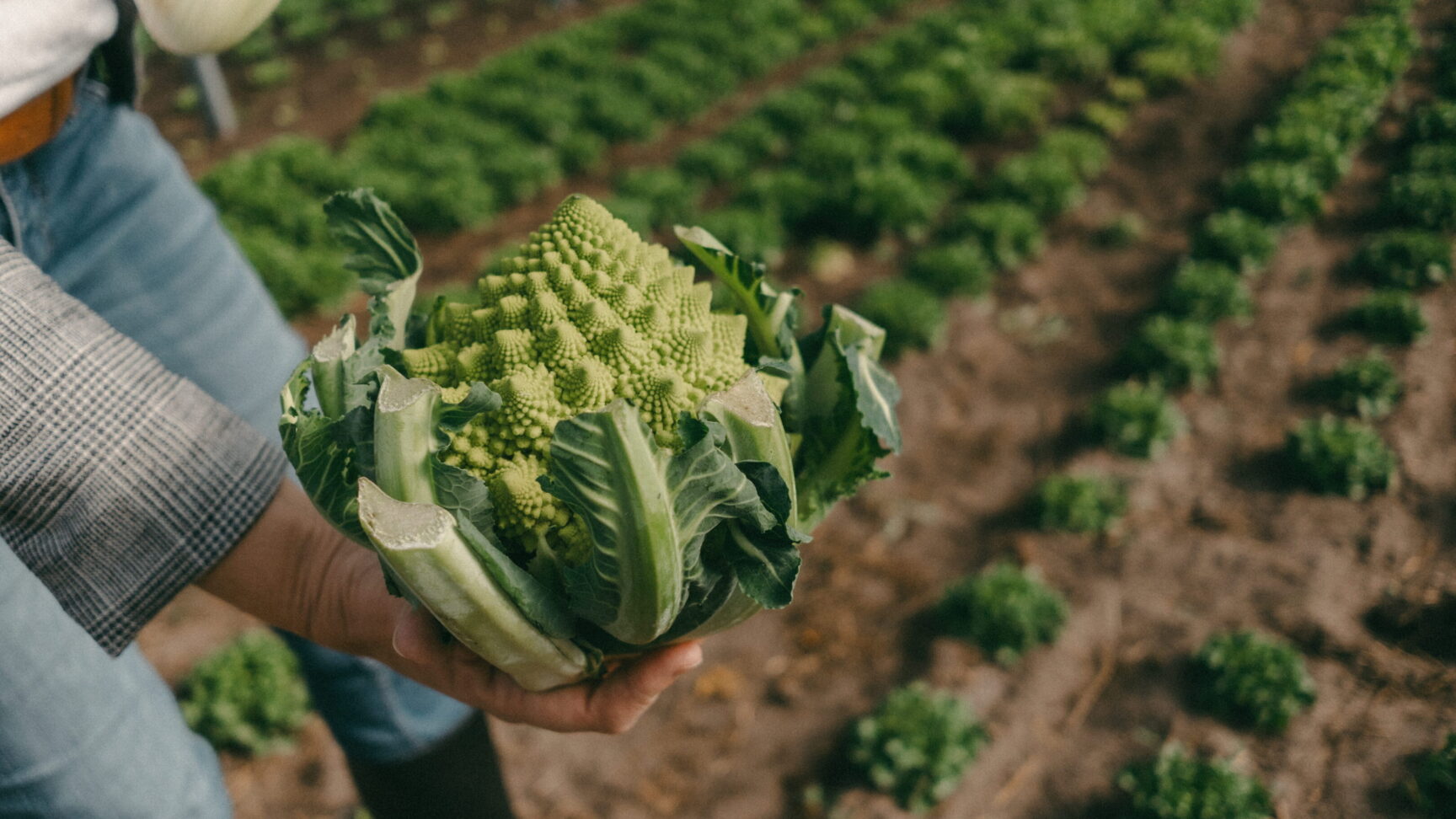
From power to responsibility
According to Merle, that responsibility is closely tied to how the food system is structured. “One of the core problems is the growing concentration of power. Companies acquire one another, and in the end only a handful of players remain – effectively deciding what we eat.”
“At the same time, you see globally that it’s often smaller producers who supply a large share of our food. But they can never negotiate on equal terms with these large players. That’s not a level playing field. For us, the challenge is precisely to work with smaller producers – and to preserve that diversity, rather than relying solely on large-scale suppliers.”
Those smaller producers also tend to care more for soil and biodiversity, she adds. “In principle, all agriculture should move in a regenerative direction. That should be the ambition. For me, that also means: no pesticides and no synthetic fertilisers – those are non-negotiable. Calling something regenerative while still spraying insecticides simply doesn’t add up. It has to be both organic and regenerative. That’s what we should be aiming for everywhere. It’s better for the soil, for birds, insects and soil life – and ultimately for ourselves.”
Uitgelichte quote
We want to make a greater impact on the issues that matter most to us
Beyond the business
Looking ahead, Merle hopes that the business side of Odin – “the vehicle we use to realise our mission” – will continue to grow and mature, allowing it to play its role even more effectively. “At the same time, we want to make a greater impact on the issues that matter most to us: biodiversity, pesticide-free agriculture, and phasing out genetic engineering. These are challenges that go far beyond Odin itself, they affect the entire food system. That’s exactly where we want to inspire people – to show that things can be done differently.”
“So: reaching more people, engaging them, and giving them the confidence to take steps themselves. That they begin to see: this is something I can do too – and that it’s actually not that complicated. It’s simply about my food, something I engage with every single day.”
Want to contribute to a greener, healthier food system? Explore our map, where you’ll find hundreds of regenerative farmers, growers, shops and other initiatives to connect with.
Original publication date: 6th of May 2026. Latest update: 28th of September 2026.