Fennie Lansbergen & Joost van Schie

A place in the heart of the city where you can buy fresh, local produce, grown regeneratively so that it is good for you and for nature – that's the essence of the shops of Oogst (‘Harvest’, in Dutch), founded by Joost van Schie and Fennie Lansbergen.
Cheaper, faster, easier… the average supermarket prioritises almost everything but the taste and nutritional value of unprocessed food. “To keep increasing financial profits, small bits are shaved off the product each time”, says Oogst co-founder Joost van Schie. “The result is flavour poverty.” He knows that most major supermarkets aim for an assortment made up of as much as sixty-five percent processed products. “A depressing target”, he says. “It means that two thirds of your offer can be processed junk. In our shops, more than two thirds is fresh and only a small part processed. Taste and quality come first.”
Uitgelichte quote
To keep increasing profits, small bits are shaved off the product each time
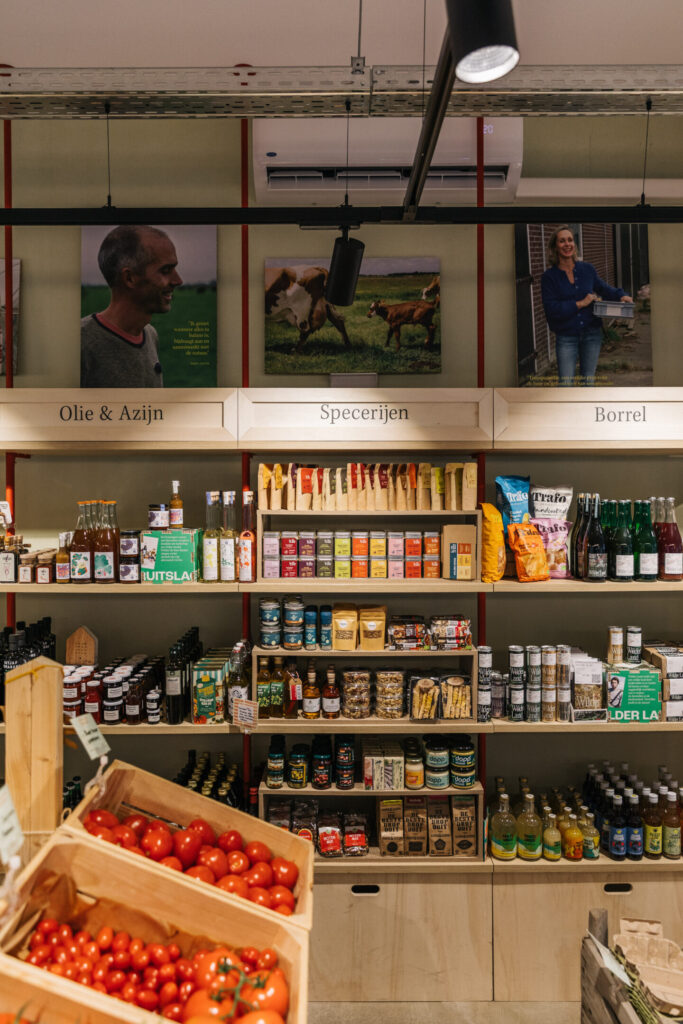 Joost van Schie: "In our shops, more than two thirds is fresh." Photographer: On a hazy morning
 "Comparing us to a supermarket is like comparing apples and pears." Photographer: On a hazy morning
“I didn’t see myself working with cows every day”
Since 2021, Joost has been at the helm of Oogst together with co-founder Fennie Lansbergen – farmer-run shops with flavour, locality and biodiversity as their guiding principles. After a stint in Amsterdam, Joost now lives back on the farm where he was born and raised. That was not always the plan. “When I was twelve, I looked around, saw the cows and thought: ‘I don’t see myself doing this every day.’ My parents gave me a lot of freedom, and I went on to study economics in Amsterdam. After that I spent eight years in the corporate world, first in large companies and later at an innovation agency. Developing new products and services – that was basically my dream job. But when I turned thirty, I realised that if my parents stopped farming, the farm would leave the family. Around that time, I also discovered that I wanted to do something to bring people and nature closer together. I decided to continue the farm after all. My parents had already made the transition to organic, which made regenerative agriculture a logical next step. The challenge is that you need a better revenue model to be able to invest. I was looking for a stronger connection with the city – and that’s when I met Fennie.”
Uitgelichte quote
If you spend your time on something, it might as well be something important
 Joost van Schie: "We have the very best products from the very best farmers." Photographer: On a hazy morning
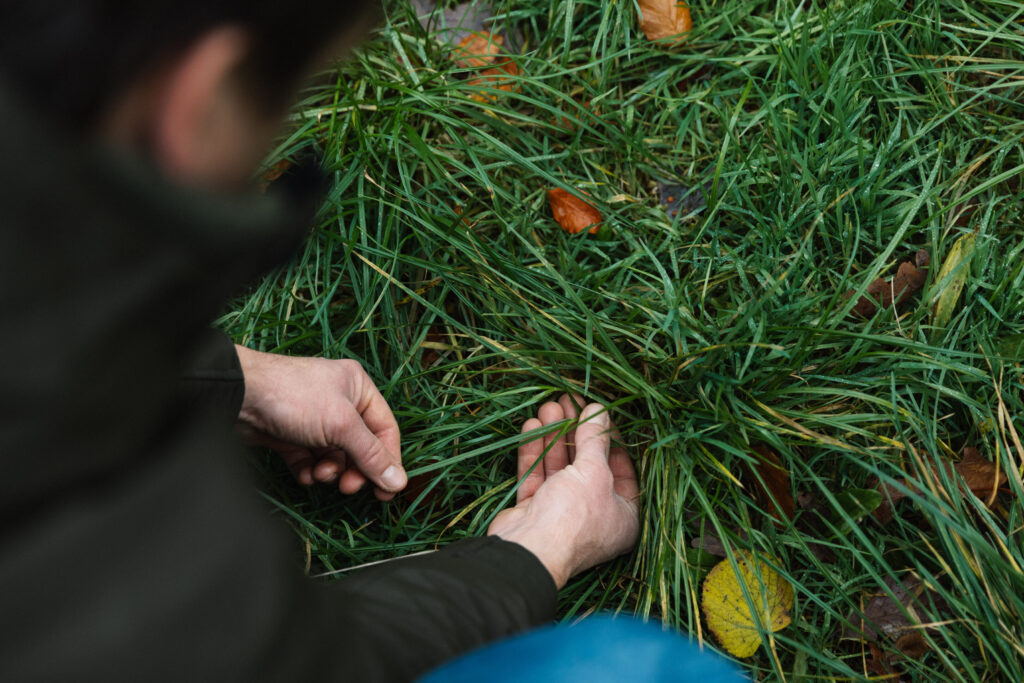 "I decided to continue the farm after all." Photographer: On a hazy morning
Regeneration as the answer
Co-founder Fennie Lansbergen discovered through her work at a microfinance bank how much energy she gets from making an impact. “If you spend your time on something, it might as well be something important”, she says. Before Oogst, she worked for a company that builds impact-driven ventures. In recent years, she focused mainly on projects helping farmers in Kenya become more resilient to the climate impacts affecting their land. “They were dealing with drought, locusts, and when it rained, the entire topsoil washed away”, Fennie explains. “The solution to all their problems was regenerative agriculture. I found that so compelling that I decided to specialise in it – and then apply it here in the Netherlands. In essence, the situation is the same: many farmers want to transition, but they need the guarantee that someone will buy their harvest at a fair price. And they don’t get that.”
Johannes Regelink of community farm De Patrijs sparked her imagination. He wanted to place shipping containers with small shops around his farm, so he could both receive a fair price for his produce and tell his story. “I agreed that if you want to sell regenerative products at a fair price, you need a new channel. With Johannes’ permission to use his idea, Oogst was born.”
Uitgelichte quote
Many farmers want to transition, but they need the guarantee that someone will buy their harvest at a fair price
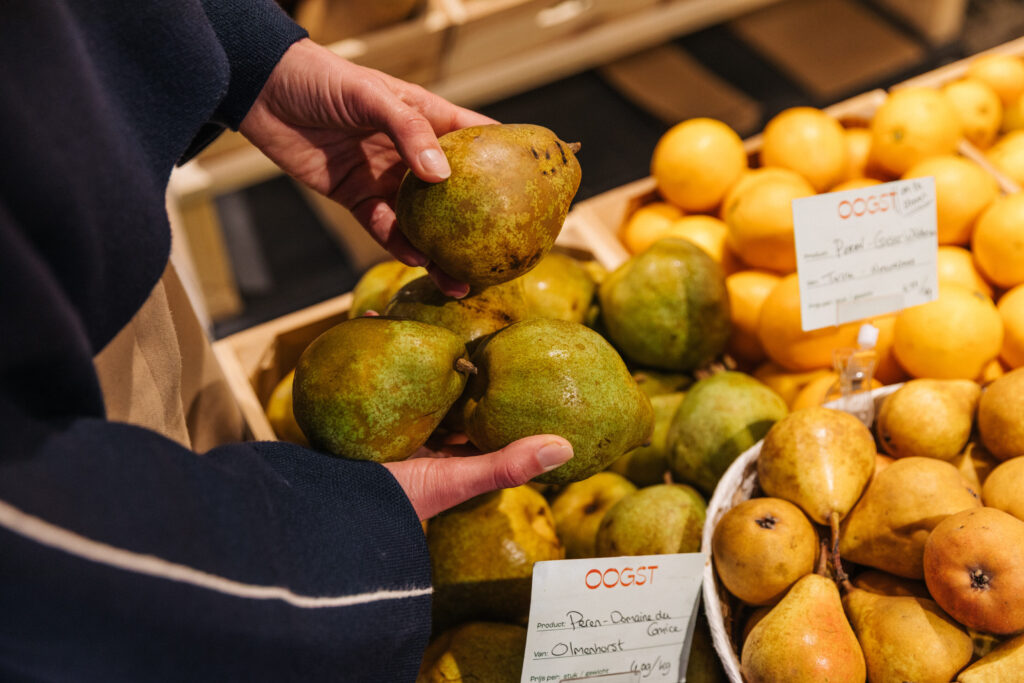
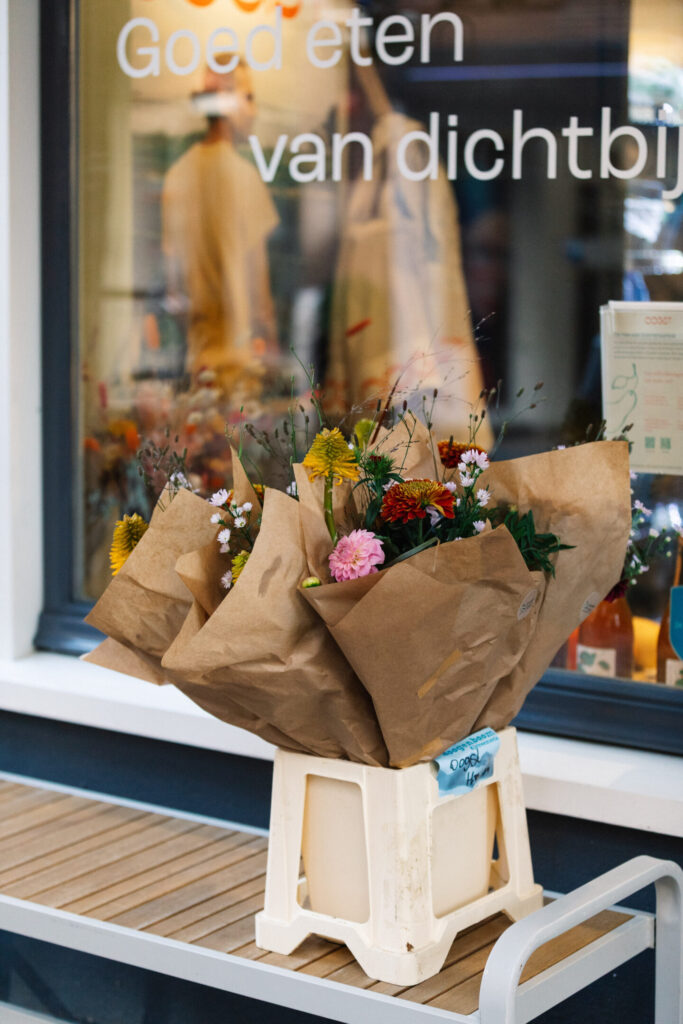
Flavour, local and biodiverse
In 2021, Joost and Fennie opened their first Oogst shop: an unmanned farmers’ shop in the Dutch city of Leiden. Instead of highly processed products, the foundation at Oogst is fresh, unprocessed food sourced as locally as possible – directly from the farmer – with great taste and high nutritional value. “We have the very best products from the very best farmers”, Joost even dares to say. “Comparing us to a supermarket is like comparing apples and pears.”
Uitgelichte quote
The ultimate goal is an Oogst in every major city
A regenerative food culture
Customers shop using the Oogst app, which allows them to open the store and pay for their groceries. “We don’t just give people the opportunity to know where their food comes from – we also give them back control over what they put into their bodies”, Fennie explains. “Some of our customers want to contribute to their own health or that of the Earth. But there is also a growing group of food lovers who notice that food grown regeneratively, and that hasn’t travelled far, genuinely tastes better. With our assortment, we can serve all of those groups. We also organise visits to the farmers and growers we work with, so people can experience what happens on the farm. We want to tell the farmer’s story and make clear what the impact is of the choices you make. In this way, we hope to contribute to the movement creating a regenerative food culture.”
At present, Oogst has four branches, all operating as franchises. The ultimate goal is around twenty shops spread across the Netherlands – an Oogst in every major city. “The more people shop at Oogst, the more we can buy from farmers who farm regeneratively, so that we can keep harvesting for seven generations to come”, Joost explains. “We want to make that regenerative food culture mainstream. The question is: how do we do that? Right now, we’re improving the experience and communication, and exploring whether there are other sales channels. There are so many opportunities.”
Uitgelichte quote
We shouldn’t present it as too green
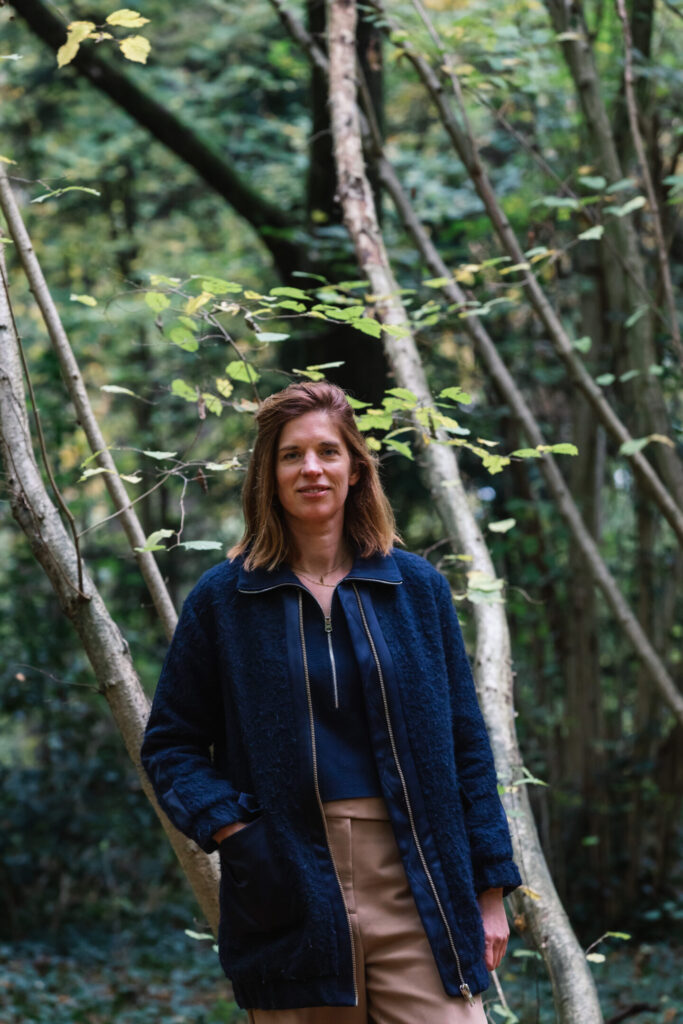 Fennie Lansbergen: "A large part of our customers come for the health benefits or the taste." Photographer: On a hazy morning
 Photographer: On a hazy morning
“Grocery shopping is a habit that’s hard to change”
However, for the time being, the entrepreneurs are sticking with their current four shops. They first want to make the existing locations profitable – and despite twenty-five percent growth over the past year, they’re not there yet. It’s a process of pioneering, figuring out what works and what doesn’t. They’ve learned, for instance, that many people are attached to their usual supermarket – grocery shopping is a habit that’s hard to change. “We need to remove uncertainty and barriers”, Joost says. “Shopping with an app – as you do in our unmanned shops – can be an extra hurdle. That’s why we’re gradually staffing our stores more. We don’t have the illusion that our customers will never go to a supermarket again, but we want to offer a better alternative, so that visiting Oogst also becomes part of their routine.”
Finding products that meet all Oogst criteria and truly stand out from what’s already available locally also brings challenges. “We want to keep surprising people”, Fennie says. “So, we’re constantly looking for products that the big retailers haven’t discovered yet.” To their surprise, Joost and Fennie also found that their customers care less about regeneration than they initially expected. That calls for a different communication strategy. “We shouldn’t present it as too green”, Fennie explains. “That doesn’t resonate with the entire audience. A large group comes to us for the health benefits or the taste. And that’s fine – because regenerative agriculture creates the conditions for both the best flavour and the healthiest food.”
Looking for more initiatives and businesses making regeneration accessible? Take a look at our map.
Original publication date: 4th of February 2026. Latest update: 23rd of February 2026.
Together with The Green Times, Stichting DOEN and Impact Hub Amsterdam, we are creating a series of stories about regenerative entrepreneurs who show how we can work towards an ‘ecology economy’ – an economy that places life at its centre. Don’t want to miss anything? Subscribe to our newsletter and receive the next story straight in your inbox.
READ MORE:

Wilder Land: “Our ambition is to become a regenerative Unilever”
17 March 2026