Re-Health: rethinking human health in a living world
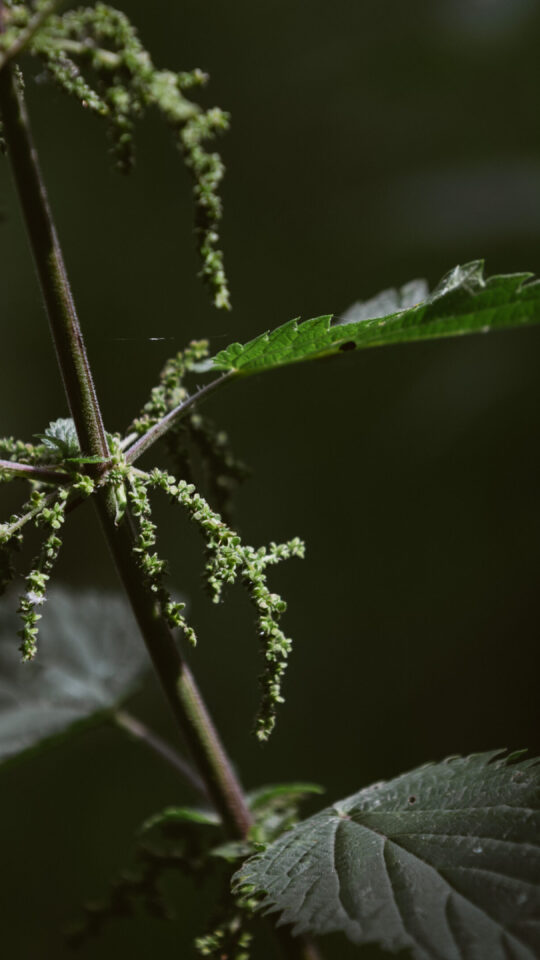
What if being healthy isn’t simply about taking care of our bodies, but about restoring the living systems we’re part of? From the soil that nourishes our food to the microorganisms in our bodies and the rivers that sustain our landscapes, our wellbeing is deeply connected to the natural world. In this longread, six pioneering perspectives challenge us to rethink health – and explore how healing the our planet could help us heal ourselves.
Zach Bush – reconnecting human health with the living world
What if many of the diseases we struggle to treat are connected to something much larger than our bodies? For physician and scientist Zach Bush, understanding human health begins with recognising our place within the living world.
After years of studying chronic disease, Bush began questioning why medicine focuses so heavily on treating illness rather than understanding its underlying causes. “What is upstream of disease? For nearly twenty years, that’s what I’ve been trying to understand,” he says. “And what turned up is, in many ways, very simple: nature deficit.”
Central to his thinking is the microbiome: the vast community of microorganisms living in and on our bodies. “The microbiome is not an isolated system – it’s embedded within a much larger macrobiome”, Bush explains: “the soil, the food, the animals, the entire living environment. The gut is simply an extension of that broader ecosystem.”
From this perspective, human health cannot be separated from the health of the ecosystems we inhabit. The degradation of soils, the loss of biodiversity and our growing distance from nature are not just environmental concerns, but potential threats to our own wellbeing.
For Bush, rethinking health therefore begins with a shift in perspective: rather than treating the body as a machine that can be repaired in isolation, we need to recognise it as part of a much larger living system, whose health depends on the relationships that sustain it.
Uitgelichte quote
The gut is simply an extension of a broader ecosystem
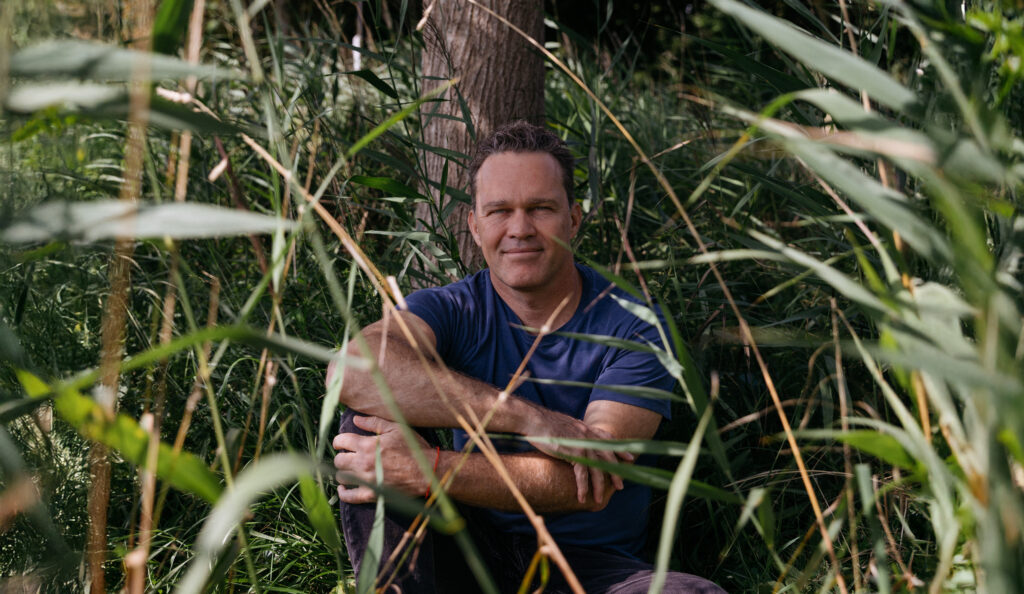 Human health cannot be separated from the health of the ecosystems we inhabit. Photographer: On a hazy morning
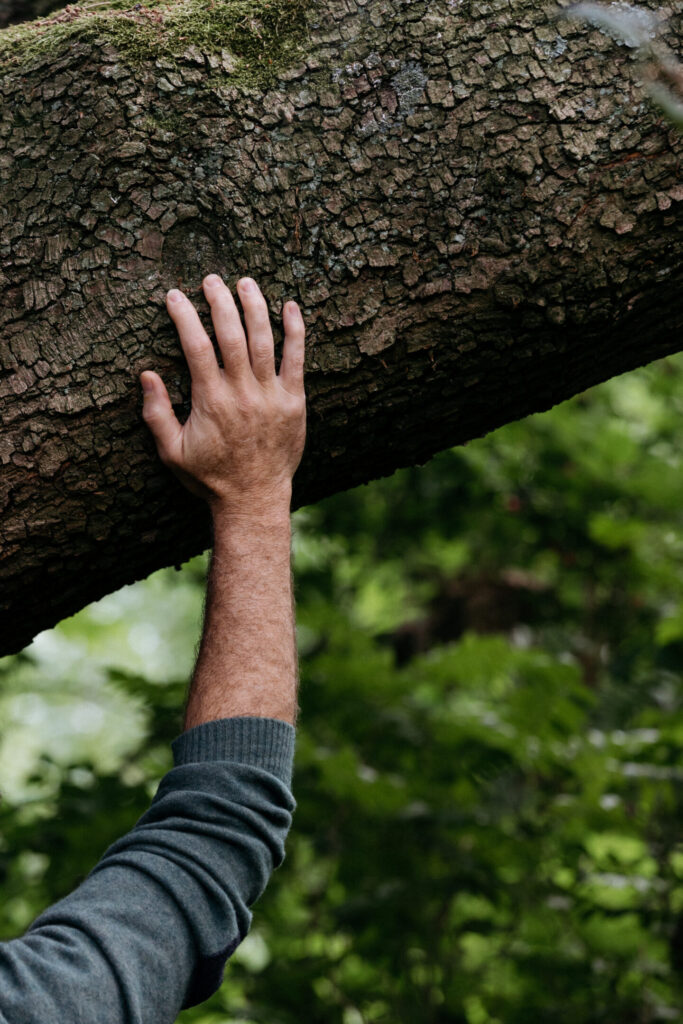 Zach Bush: “What is upstream of disease? For nearly twenty years, that’s what I’ve been trying to understand.” Photographer: On a hazy morning
Li An Phoa – the health of our rivers reflects our own
If human health is inseparable from the health of the ecosystems around us, how can we tell whether those ecosystems are thriving? For ecologist and philosopher Li An Phoa, the answer lies in our rivers. Being able to drink directly from them is not a utopian dream, she states, but a tangible expression of healthy ecosystems – and a goal that could transform how we relate to the natural world.
Through her foundation Drinkable Rivers, Phoa walks hundreds of kilometres along rivers, bringing together people who share the same catchment area. Her mission is to reconnect communities with their waterways and inspire them to take collective responsibility for their health. “Everything we do on land is reflected in rivers. They are a mirror of how we live”, she explains.
Her commitment began in 2004, during a canoe expedition along Canada’s Rupert River, where she drank directly from the river for the first time. When she returned three years later, the water was no longer drinkable. A newly constructed megadam had allowed heavy metals from nearby mining to enter the water, affecting fish and local communities. The experience inspired her to dedicate her life to restoring drinkable rivers.
“Once we put an end to pollution, the river’s self-healing capacity returns”, Phoa explains. Therefore, restoring the health of rivers is about much more than clean water. It means restoring the health of entire landscapes, rebuilding relationships between communities and recognising that our wellbeing is inseparable from the living systems around us.
Discover more in our interview with Li An Phoa.
Uitgelichte quote
Everything we do on land is reflected in rivers. They are a mirror of how we live
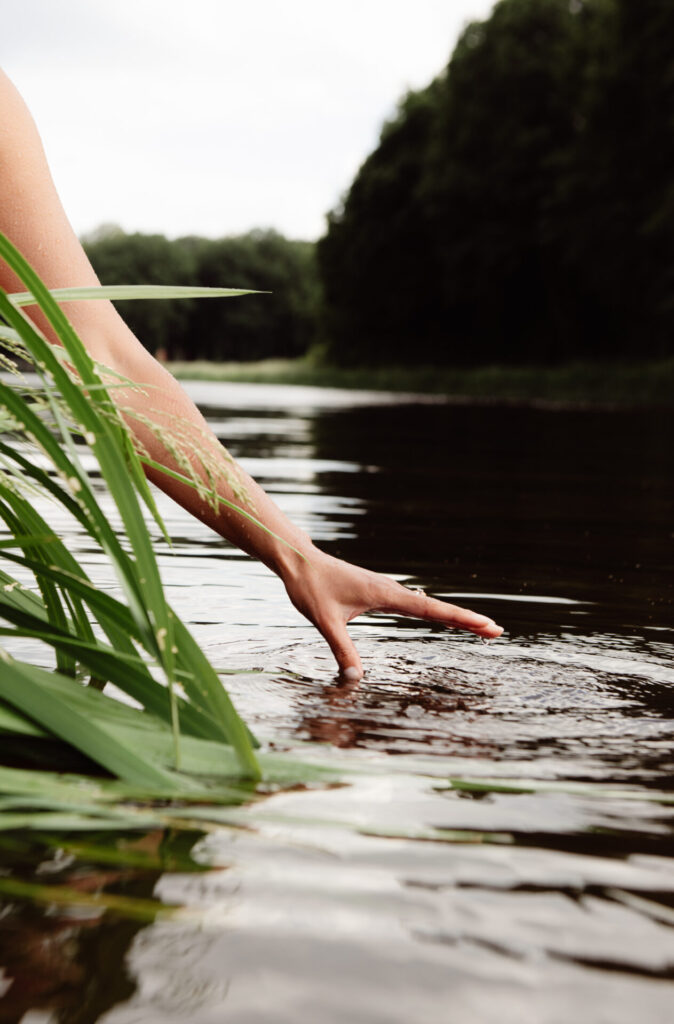 Being able to drink directly from them is not a utopian dream, but a tangible expression of healthy ecosystems. Photographer: Diane van der Marel
 Li An Phoa: “Once we put an end to pollution, the river’s self-healing capacity returns.” Photographer: Diane van der Marel
Dan Kittredge – why healthier food starts with living soil
Just as the health of our rivers reflects the health of the landscapes around them, the health of our soil is reflected in the food we eat. For American farmer and founder of the Bionutrient Food Association Dan Kittredge, this connection holds enormous potential for transforming both agriculture and human health.
For more than thirty years, Kittredge has been exploring how the way we grow our food influences its nutritional quality. His research reveals striking differences between crops that look almost identical. “You may have to eat forty of one carrot to get the same level of antioxidants as you would from another.”
What makes the difference? According to Kittredge, it isn’t necessarily whether food is local or grown using a particular farming method. His research points towards something more fundamental: the health of the soil. “The more life in the soil, the higher the nutrient levels in the food.”
The explanation, he argues, lies in the soil microbiome. Just as microorganisms play an essential role in our own bodies, soil microbes help plants access the nutrients they need to thrive. When those relationships are disrupted, crops may continue to grow, but the food they produce is less nourishing.
For Kittredge, restoring soil health is therefore not just about improving agricultural practices, but about fundamentally rethinking what we expect from our food system. Rather than rewarding farmers primarily for the quantity of food they produce, he envisions a system that values nutritional quality – making healthier food accessible to everyone. “If we can help create a process through which food becomes more nourishing for everyone, that is success.”
Explore Dan Kittredge’s vision for a healthier food system in our full interview.
Uitgelichte quote
You may have to eat forty of one carrot to get the same level of antioxidants as you would from another
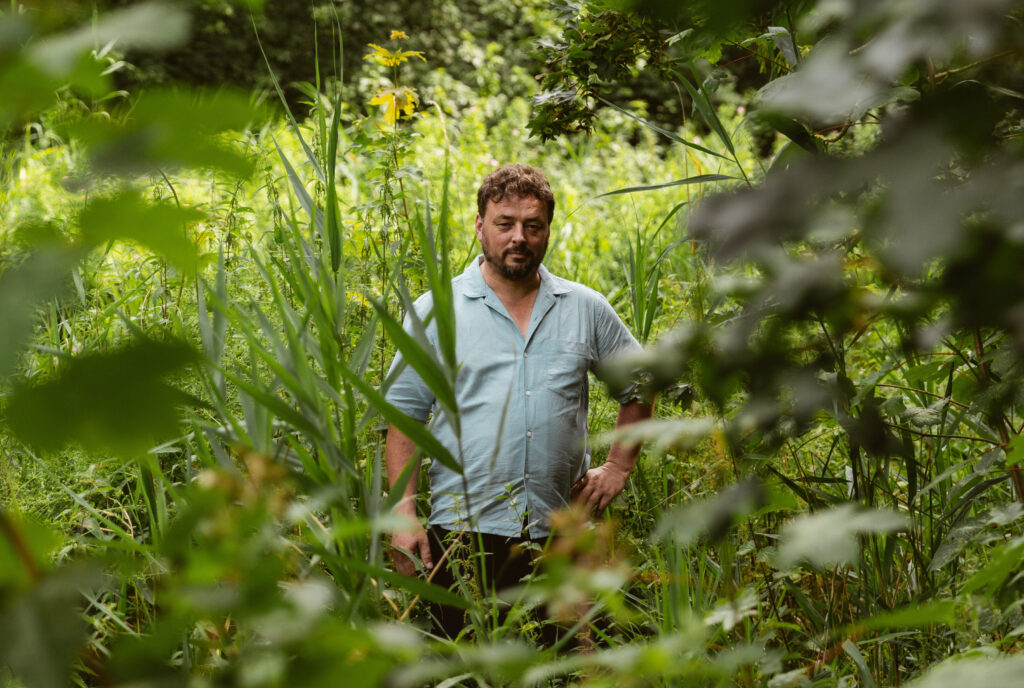 Dan Kittredge: “Soil microbes help plants access the nutrients they need to thrive.” Photographer: On a hazy morning
 “The more life in the soil, the higher the nutrient levels in the food.” Photographer: On a hazy morning
Nadina Galle – nature as the foundation of healthier cities
Whilst the health of our soils shapes the food we eat, the environments we inhabit every day have an equally profound influence on our wellbeing. For ecological engineer Nadina Galle, this is particularly important in cities, where nature is too often treated as a luxury rather than a necessity.
Through her work at the intersection of ecology, technology and urban planning, Galle is uncovering just how much urban greenery contributes to human health. Research shows that people living in greener neighbourhoods tend to live longer, experience less stress and have better health outcomes. “For every 0.1-point increase on that index, the risk of premature death decreases by around four per cent,” she explains, referring to a study measuring greenery within 500 metres of people’s homes.
Trees help filter air pollution, provide cooling and create environments that encourage people to spend more time outdoors. Green spaces also offer opportunities for relaxation, movement and social connection. “We are nature. So it’s hardly surprising that we function better – physically, mentally, emotionally and cognitively – when we stay connected to it.”
Yet despite these benefits, urban nature is rarely given the same priority as roads, bridges or other essential infrastructure. Galle believes this needs to change. Rather than treating greenery as an optional addition, she argues that it should become a fundamental part of urban design, from protecting mature trees to integrating nature into schools and hospitals.
“We need a fundamental shift in perspective”, she says, “to see nature as a central and self-evident condition of everything we do.”
Find out more in our full interview with Nadina Galle.
Uitgelichte quote
We need to see nature as a central and self-evident condition of everything we do
 People living in greener neighbourhoods tend to live longer, experience less stress and have better health outcomes. Photographer: Diane van der Marel
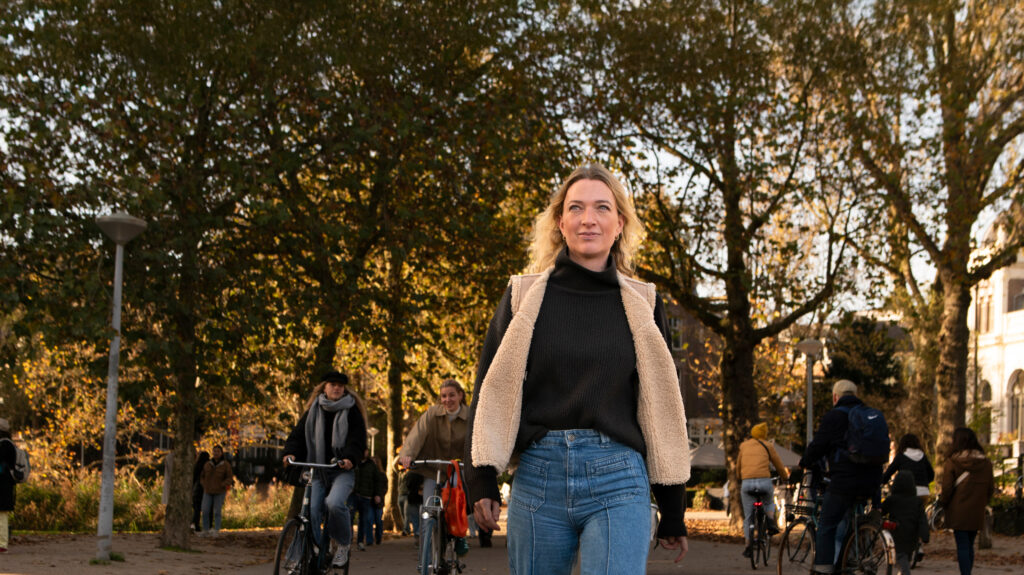 Nadina Galle: “We are nature. So it’s hardly surprising that we function better when we stay connected to it.” Photographer: Diane van der Marel
Marco van Es – why our health depends on the microbial world
But the benefits of reconnecting with nature go beyond cleaner air, cooler cities and improved mental wellbeing. Spending time in biodiverse environments also brings us into contact with an invisible world of microorganisms that play an important role in our health.
“Here in the West, we no longer live in nature, we eat less and less from the land, and we keep inventing new ways to further distance ourselves from the ground beneath our feet,” says microbiome expert Marco van Es, founder of the Dutch foundation Bac2nature. “Whilst a gut rich in diverse bacteria is strongly associated with resilient health. What we’re seeing is that people with so-called ‘diseases of affluence’ tend to have a far lower microbial diversity than those who are healthy.”
The connection with nature becomes even more striking when we look at communities that live in close contact with the land. Studies of Indigenous populations have revealed a far greater diversity of gut microorganisms than is typically found in Western populations. For Van Es, this raises an important question: what have we lost as our lives have become increasingly disconnected from the microbial diversity of the natural world?
It was this growing understanding of the relationship between environmental biodiversity and human health that led Van Es to establish Bac2nature. Through the foundation, he aims to advance research and awareness of how our surroundings influence our microbiome. He believes that restoring our connection with the microbial world – through healthier soils, more biodiverse environments and regular contact with nature – could help strengthen our resilience.
“Whether we like it or not, we are inseparably connected to nature,” Van Es says. “I believe that if more people would accept and feel that connection, we would treat the planet very differently – because we would understand that we are part of it.”
Discover why microbial biodiversity matters in our interview with Marco van Es.
Uitgelichte quote
A gut rich in diverse bacteria is strongly associated with resilient health
 Marco van Es: “People with so-called ‘diseases of affluence’ tend to have a far lower microbial diversity than those who are healthy.” Photographer: Gabriela Hengeveld
 Photographer: Gabriela Hengeveld
Zuzanna Zielińska & Anne van de Peppel – putting health at the heart of our food system
If our health is so closely connected to the living world around us, shouldn’t we organise our food and healthcare systems accordingly? For Zuzanna Zielińska and Anne van de Peppel, co-founders of the non-profit HarvestCare, the answer is a resounding yes.
“Our healthcare system is cure-based. It’s easy to calculate the cost of treating someone, but not the value of preventing illness,” Anne explains. Meanwhile, our agricultural system prioritises producing as much food as possible, often at the expense of soil health and nutritional quality. Zuzanna and Anne believe these systems should work together towards a shared goal: creating healthier people and landscapes.
Through their Food is Medicine programmes in the Dutch city of Rotterdam, they are already putting this vision into practice. Participants receive boxes of regeneratively grown vegetables, alongside nutritional guidance and opportunities to cook and learn together. The first pilot showed promising results, including a nine-point improvement in participants’ quality-of-life scores after three months. But their ambitions go further.
HarvestCare is currently developing an Agri-Health System that brings farmers, healthcare professionals, insurers and policymakers together to make prevention central to agriculture and healthcare. “Imagine a system that pays farmers for producing nutrition, not just calories,” says Anne.
In such a system, hospitals could source food from regenerative farms, doctors could prescribe nutritious food alongside conventional treatments, and farmers could be rewarded for improving soil and human health. “We don’t want to build another niche project,” Zuzanna says. “We want to build a new pillar of the health system.”
Explore how Zuzanna and Anne are bringing this vision to life in our full interview with HarvestCare.
Uitgelichte quote
Imagine a system that pays farmers for producing nutrition, not just calories
 Photographer: Gabriela Hengeveld
 “It’s easy to calculate the cost of treating someone, but not the value of preventing illness”, says Anne van de Peppel from HarvestCare. Photographer: Gabriela Hengeveld
READ MORE:
Li An Phoa: “All we need to do is stop working against the wisdom of ecosystems”
26 October 2026