Carola Esparza: “The only way we’re going to thrive as humankind is through community”
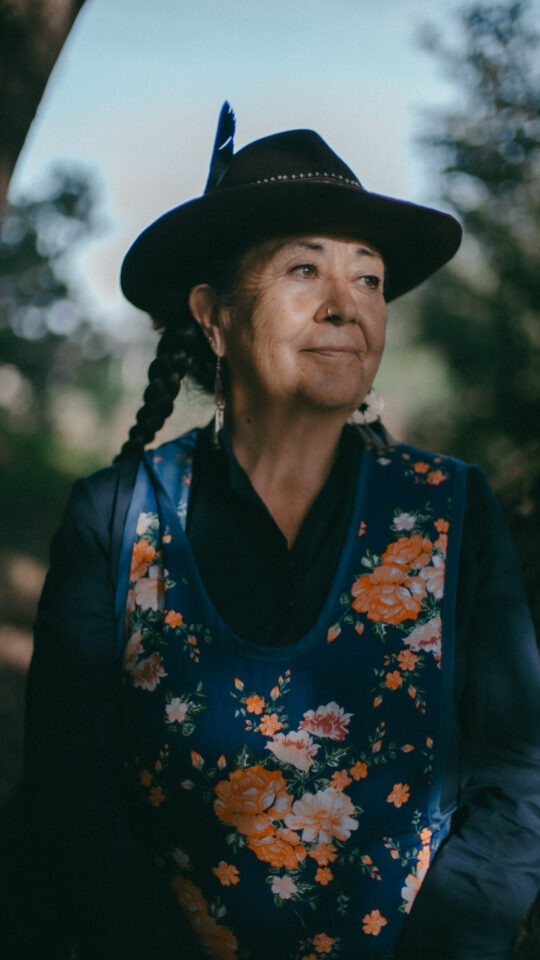
What if we stopped seeing ourselves as separate, and started recognising that we’re part of something much bigger? For Chilean Mapuche healer Carola Esparza, this understanding lies at the heart of Indigenous wisdom. Drawing on her own journey of reconnecting with her roots, she shares what ancient traditions can teach us about reciprocity, coming together and living in harmony with the Earth.
You grew up in Santiago, far removed from your Indigenous roots. How did you eventually discover your Mapuche ancestry?
“I was born and raised in Santiago, the capital of Chile, and went to a German Catholic school. So, I grew up completely disconnected from my Indigenous roots. Then a friend suggested I take a DNA test, which showed that I have 70 percent Indigenous ancestry. When I told my mother, she said: ‘Well, I don’t know anything about that. Maybe they switched you at the hospital.’
You see, in those days, being Indigenous wasn’t something to be proud of. There was a lot of discrimination, and many Indigenous families changed their surnames to avoid it.
Even today, I sometimes have discussions with Mapuche people who tell me I shouldn’t call myself Mapuche. And I always ask them: ‘Which part of myself should I kill? There is a part of me that is Spanish and a part of me that is Mapuche. Which one should I get rid of?’ Because I cannot deny either part of myself. That’s what colonization did to us. We became a mix.”
Uitgelichte quote
Which part of myself should I kill? There is a part of me that is Spanish and a part of me that is Mapuche
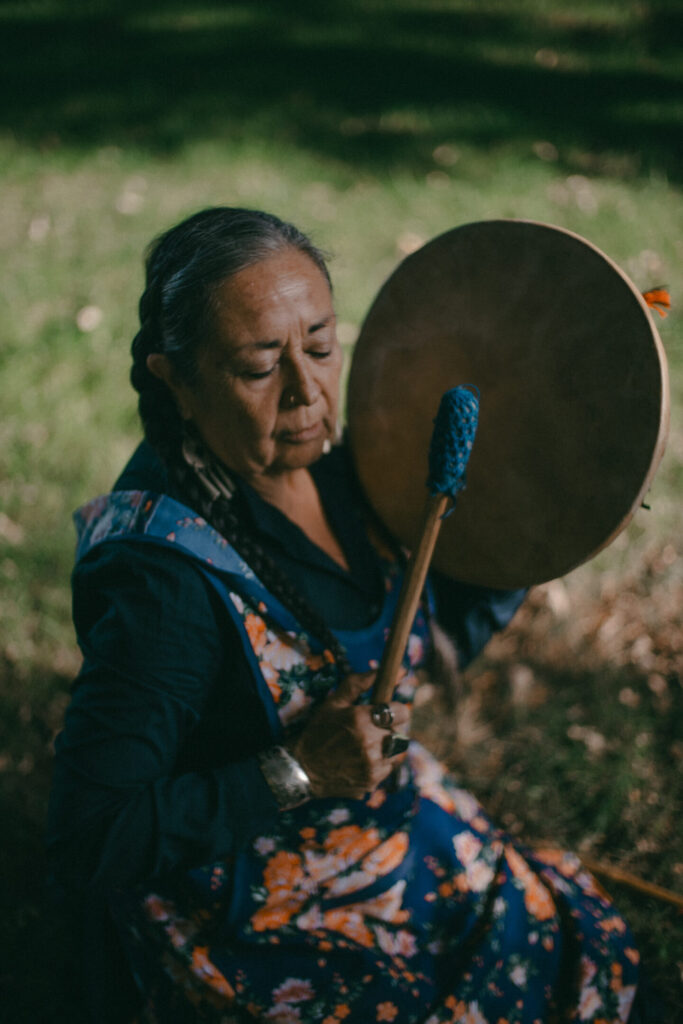 Carola Esparza: “We walk around in this middle world, on this skin, convinced that this is all there is.” Photographer: Renata Chede
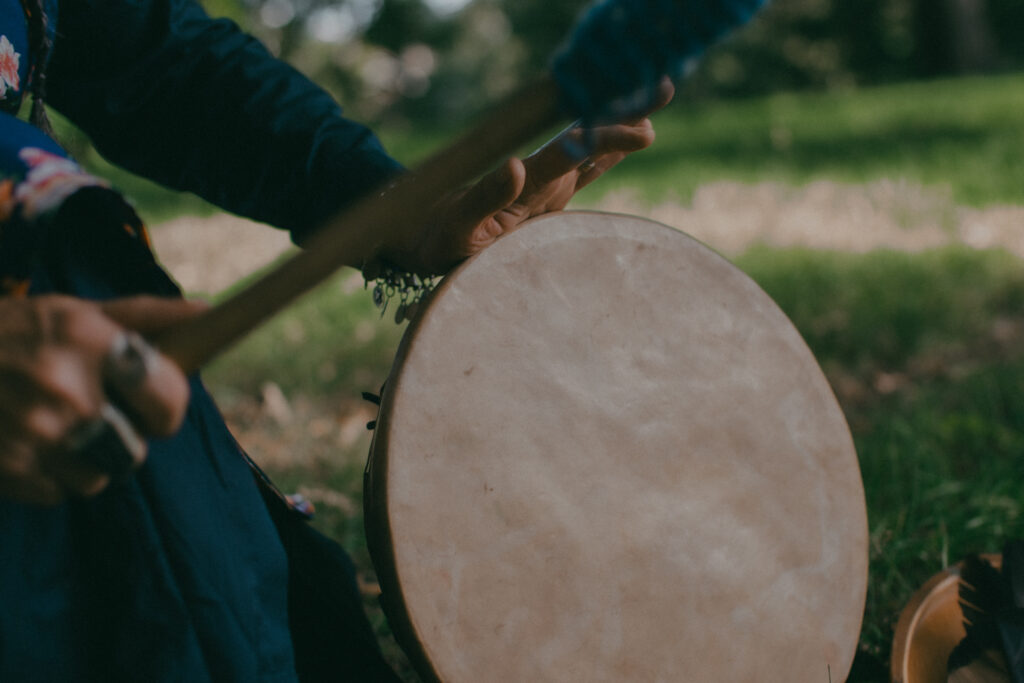 Photographer: Renata Chede
Despite growing up disconnected from your Indigenous heritage, you always felt a strong connection to nature.
“Yes, as a child, I was always talking to the trees. My mother said I would dig holes in the ground, lie down beside them and talk to the beings inside the earth. For her, that was very difficult to understand. Eventually, I decided to shut that part of myself out completely.
Many years later, I met a man who was travelling through South America. Looking back, I think he was my lifesaver. He invited me to come to New York, where I gradually rebuilt my life. I taught myself how to sew, and within three years, I had my own fashion label, Carola Esparza, with ten sewing machines and four people working for me. We made and sold 500 pieces per week – the company grew quickly and became successful.
Despite it all, I began to feel a strong pull to return to Chile. I started dreaming about the mountains, about the Andes. They have such a powerful presence, such an incredible energy.
Everybody thought I was crazy to leave New York, especially when I was so close to making it big. Investors were approaching me, wanting to expand my fashion label. But I already felt like a hamster in a wheel. I was going very fast, but actually going nowhere. We just worked and worked, and I started asking myself: where are we going with this? So, we went back.”
Uitgelichte quote
Along the way, I began to understand that there were other ways of looking at the world
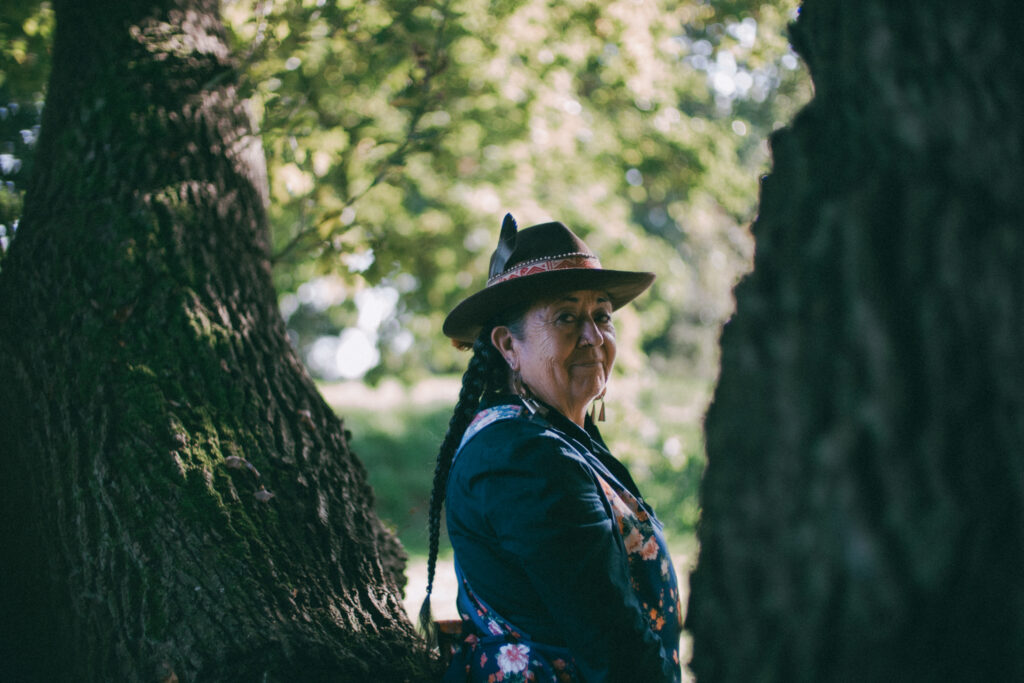 Carola Esparza: “I was hungry to learn, to understand what lies beyond what we normally perceive.” Photographer: Renata Chede
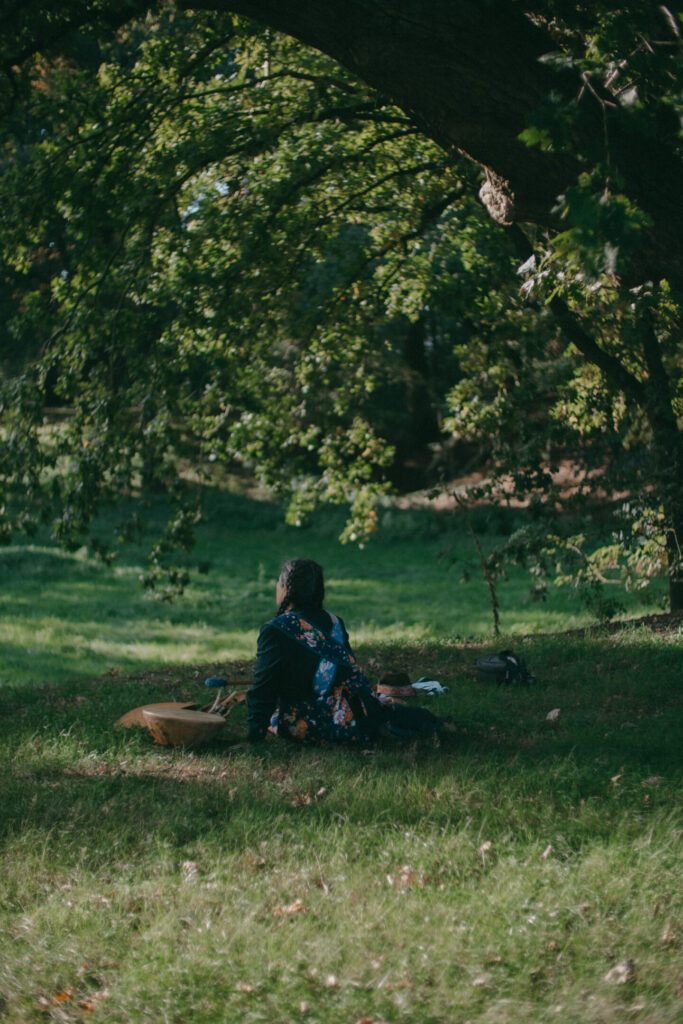 Photographer: Renata Chede
And that’s when you began exploring Indigenous spiritual traditions?
“Yes. In 2000, I encountered the Red Road, a Native American spiritual tradition. Native American teachers were coming to Chile to share their knowledge, and I learned to tend the fire for the sweat lodges. Eventually, I became a fire keeper for women’s ceremonies.
Along the way, I began to understand that there were other ways of looking at the world. I became a Reiki master and studied tarot, runes, Kabbalah and metaphysics. I was hungry to learn, to understand what lies beyond what we normally perceive.
Today, I offer private healing sessions and speak at gatherings and events, where I share what I’ve learned about our connection with nature.”
Uitgelichte quote
Every step we take resonates in what is below, as well as what is above
How does the Mapuche worldview understand our place in the natural world?
“In Mapuche spirituality, everything is connected. We don’t see ourselves as separate from nature, but as part of a greater whole. And there is much more than what we can see.
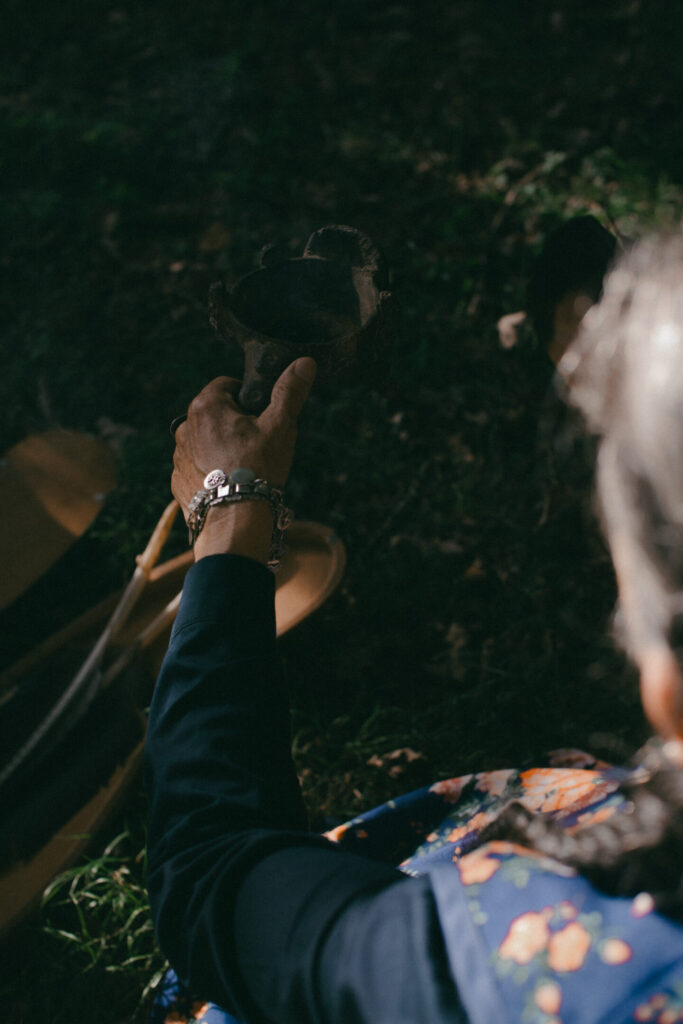
For me, one of the most powerful teachings came when I encountered the traditional Mapuche drum. It’s a very different kind of drum, made from a wooden bowl covered with animal skin. The skin represents the middle world, the world in which we live. But what lies beneath it? We don’t know, because it’s covered by the skin. And then there is also the invisible world above us.
When we beat the drum, the sound resonates through the wooden bowl beneath the skin. But every time the drumstick rises, it also moves through the invisible world above.
We walk around in this middle world, on this skin, convinced that this is all there is. But actually, every step we take resonates in what is below, as well as what is above. For me, that is a beautiful way of understanding the Mapuche cosmovision.”
Uitgelichte quote
The mind and the heart have to come together
This idea of interconnectedness also appears in the prophecy of the eagle and the condor, which you often refer to.
“Yes, the story goes that, in the beginning, we were one people. Some decided to walk north, where they developed technology, science and knowledge through the mind. Others walked south, where they developed spirituality and a deep connection with nature. And the prophecy says that in the times we’re living in now, these two paths have to come together.
For me, this is also why we say: ‘We are all related.’ You are my brother, you are my sister. At some point, we were all one family, even though we went in different directions.
Many people think this prophecy is about the North and South needing to come together. But I believe it means something deeper: the mind and the heart have to come together. It’s not just about bringing people from different continents together, but about uniting different ways of understanding and experiencing the world.”
Uitgelichte quote
We can create incredible things – for the benefit of the community, the Earth and life itself
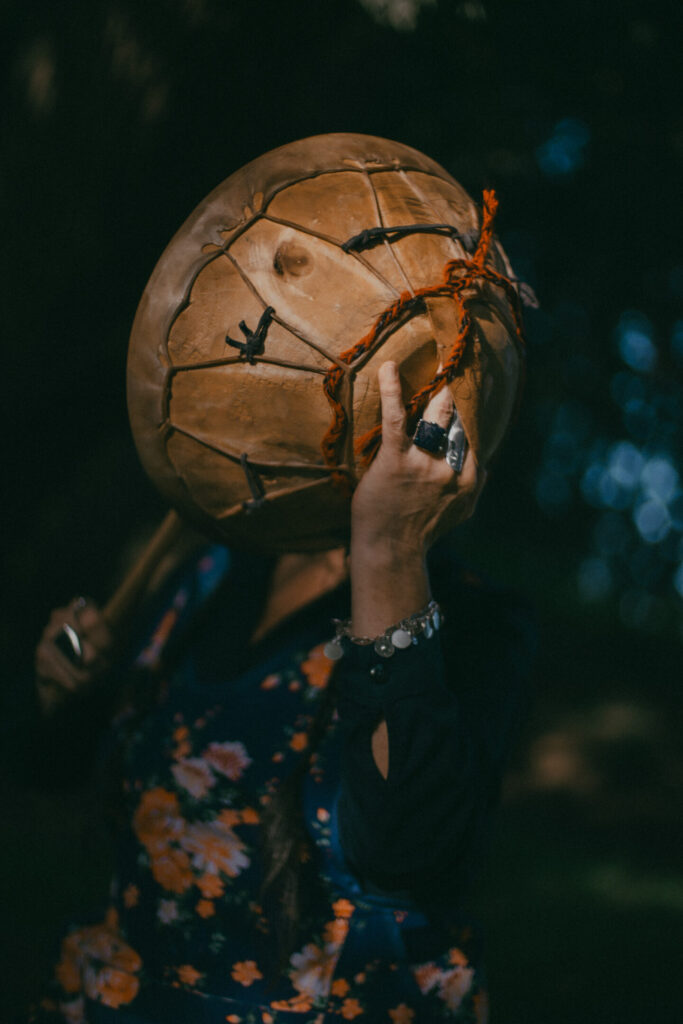 Carola Esparza: “That desire came from the heart, but they used their minds to make it happen.” Photographer: Renata Chede
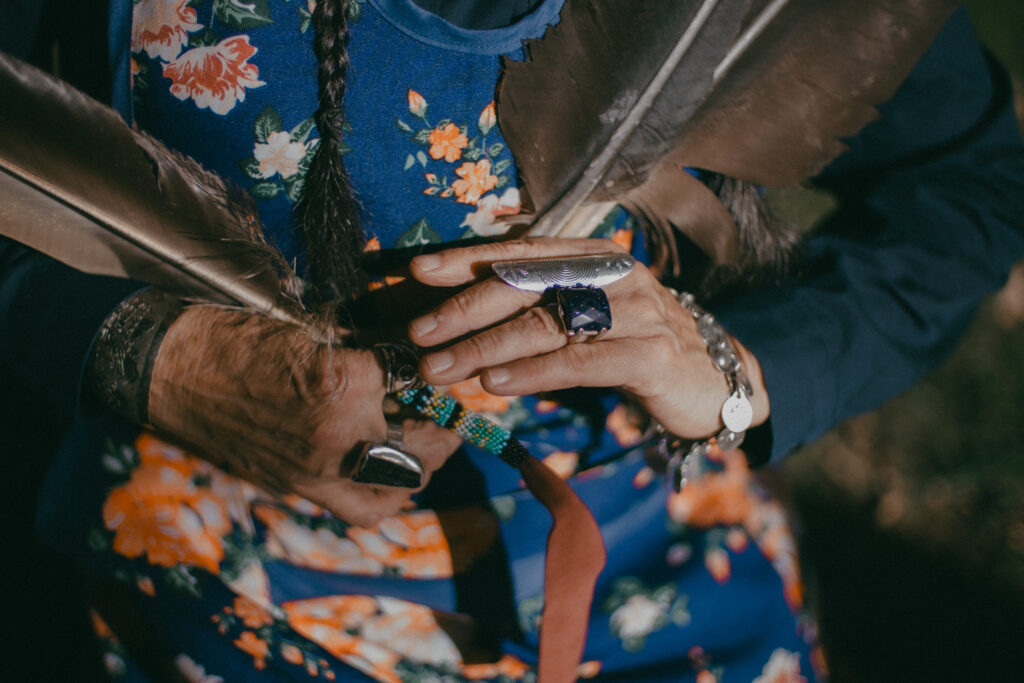 Photographer: Renata Chede
Why is this so important?
“I believe we’re here for a reason. We’re here to experience this world, to learn from it, to be grateful for it, and to leave it even more beautiful than it already is. When the mind and heart come together, we can create incredible things – for the benefit of the community, the Earth and all living beings.
I don’t think there’s anything wrong with technology or science. The mind is a wonderful thing, but it is not enough on its own. And neither is spirituality. If you dedicate yourself only to contemplation, you can lose your grounding in this world. We need both.”
Uitgelichte quote
It's always an exchange. We inspire and nurture each other along the way
Is that also why you believe Indigenous and Western cultures have so much to offer each other?
“Yes. I believe that my travels to the North, and those of so many other indigenous people from South America, are a way of reminding people that they are not only a mind, but also a heart. But we also receive so much in return.
For example, I visited a place where people had created a choir that sings for those who are dying, often in hospices. That touched me deeply. Somebody had asked: how can we make a difference for people who are dying, sometimes all alone? That desire came from the heart, but they used their minds to make it happen. They brought people together, created a choir and started visiting those in need.
Or take the cycling culture here in the Netherlands. It’s not just that everybody rides their bikes. You’ve created entire cities that support this way of life, with bicycle parking, infrastructure and rules that make it possible. When I see that, I think: how can I bring these ideas back and inspire people in Chile?
People often say to me: ‘You bring us so much.’ But it’s always an exchange. We inspire and nurture each other along the way.”
Uitgelichte quote
For me, it confirms the belief that we all share the same origin
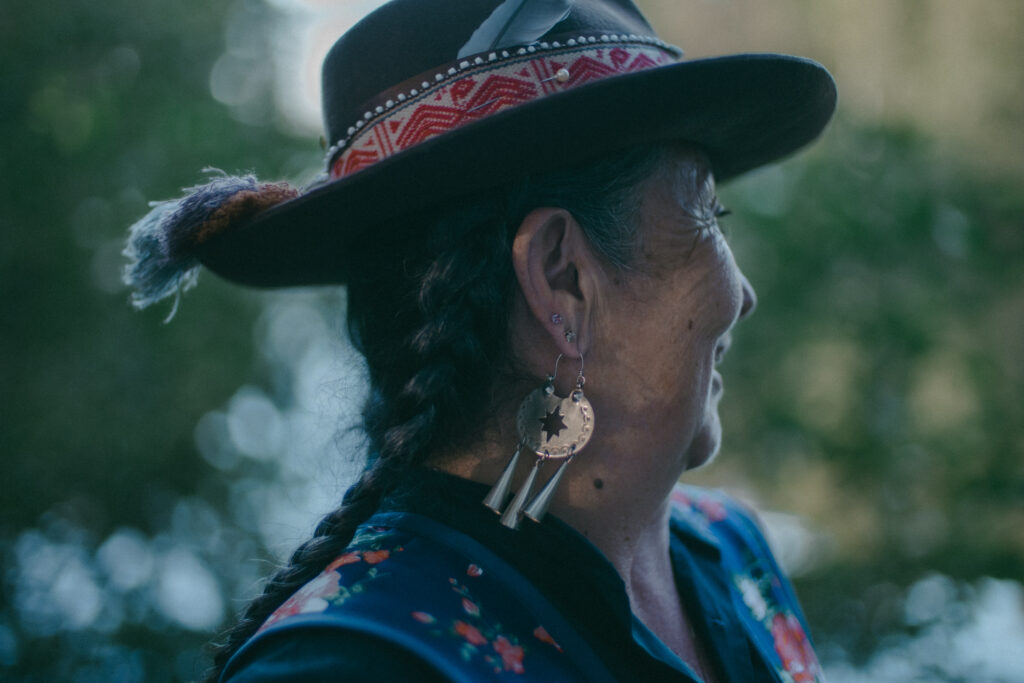 Carola Esparza: “Everywhere you go, you find the same principles: honouring the ancestors, honouring nature, gratitude, reciprocity, humility, and service.” Photographer: Renata Chede
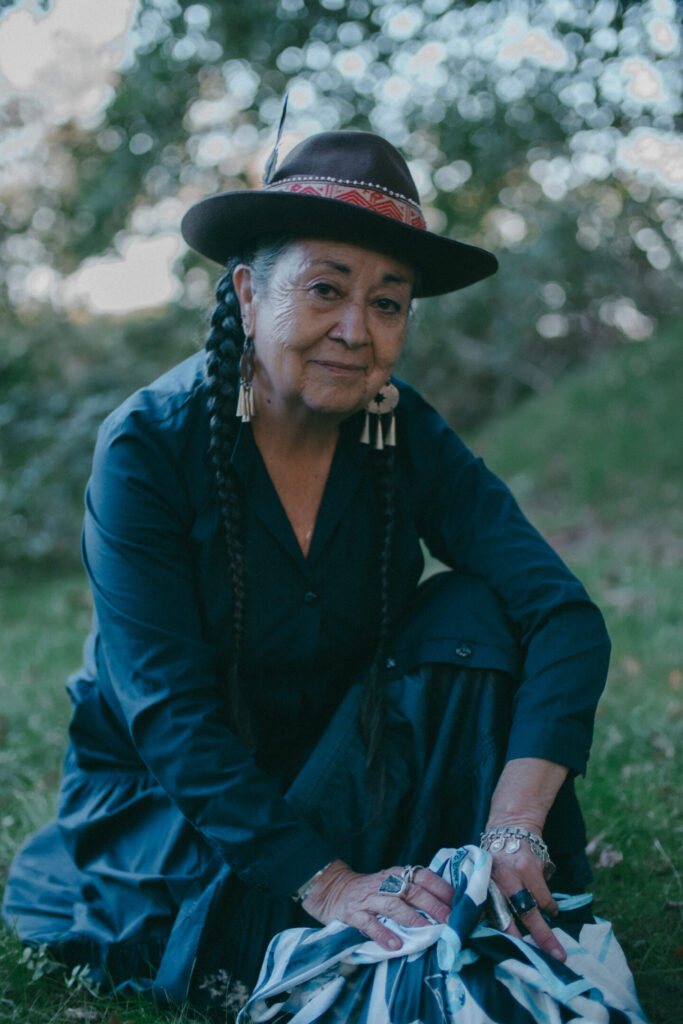 Photographer: Renata Chede
You’ve encountered many Indigenous wisdom traditions from around the world. What do they have in common?
“Everywhere you go, you find the same principles: honouring the ancestors, honouring nature, gratitude, reciprocity, humility, and service. There are so many similarities.
When you encounter the same teachings again and again, you begin to recognise something deeper. For me, it confirms the belief that we all share the same origin.”
Uitgelichte quote
We all belong to a community, and we all have something to contribute
Is this why community is so important to you?
“Yes, I believe the only way we’re going to thrive as humankind is through community. Nobody can change the world alone. But when we come together, we feel the strength of the community.
This is also reflected in three principles that the Incas left us a thousand years ago: Ayni, which means reciprocity; Ayllu, which means community; and Minka, which means service. To me, these three principles summarise a whole way of living. We all belong to a community, and we all have something to contribute. If you have extra time, give service.”
Uitgelichte quote
Reciprocity is our responsibility
Reciprocity is especially important, given the current state of the planet.
“Exactly. How much are we taking from the Earth, and how much are we putting back? If we take more than we give, we create an imbalance. But this applies to everything in our lives.
If you bring me a beautiful stone today, tomorrow I might bring you a bouquet of flowers. If you offer me a cup of soup, another day I’ll invite you for coffee. That’s how we maintain reciprocity. But if you keep bringing me gifts and I never offer anything in return, one day you’ll say: ‘Come on, Carola, do something to restore the balance.’
So we learn that reciprocity is our responsibility. It’s the same with my healing work. When people come to me for a session, I tell them that if the price is too high, they can offer whatever they can. If they don’t have money, they can bring me a piece of bread, a homemade cake or flowers from their garden. It doesn’t matter. But we exchange. I offer my healing, and I receive something in return. Then we can part and say: ‘Are you at peace?’ ‘Yes, we are at peace.’ You owe me nothing, and I owe you nothing.”
Uitgelichte quote
We continue to put our power outside ourselves. But ultimately, it's about our own connection
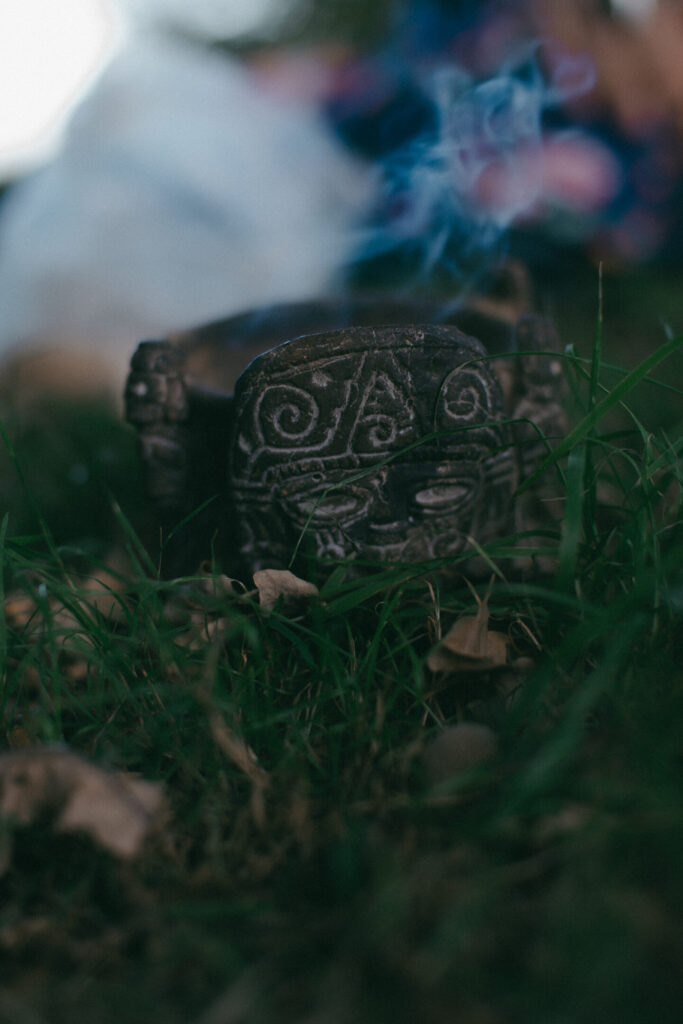 Carola Esparza: “Do you know any laboratory that is making water?” Photographer: Renata Chede
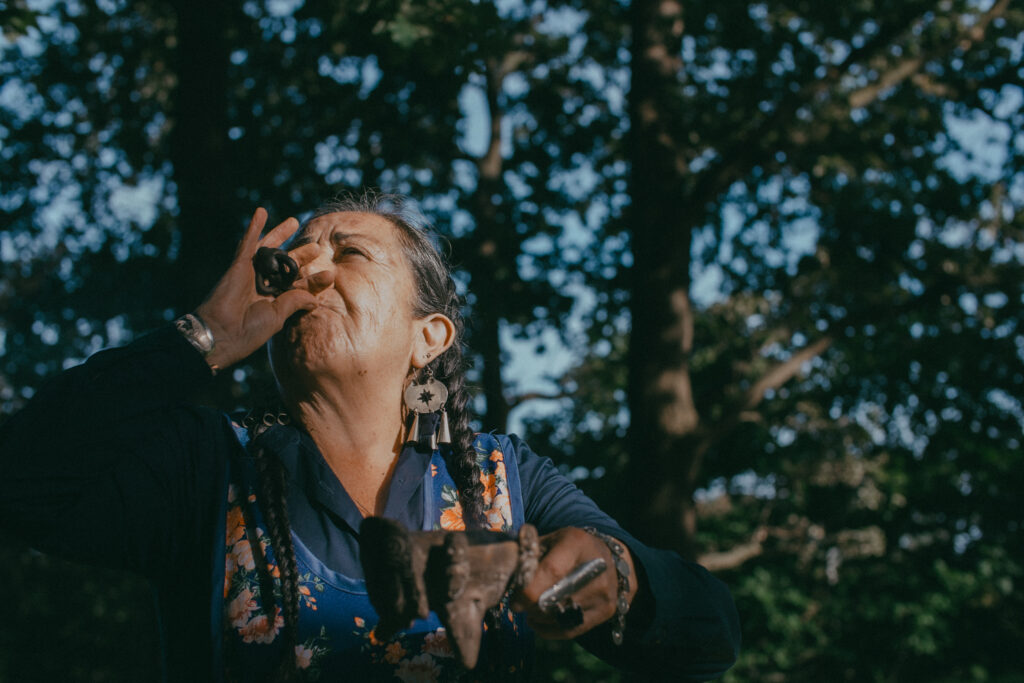 Photographer: Renata Chede
For people longing for a deeper connection with nature, where should they begin?
“Being in nature is the biggest activator. Come to nature with awe, with a sense of wonder about what you’re experiencing.
For example, when I speak at events, I ask people: ‘Can we produce water? Do you know any laboratory that is making water?’ We have this incredible cycle. Water evaporates, forms clouds, falls as rain, nourishes the Earth, and then evaporates again. We can create rockets that go into space, but we cannot simply manufacture water. So how can you not feel the sacredness of water when you come to this realisation? This is all we have. Nothing more, nothing less.
To return to this very simple relationship with nature, you don’t need to take ayahuasca. If we believe that it’s the plant that can heal us, we’re doing the same thing we did with religious dogmas. We believed the church could save us, that the priest could be the intermediary between ourselves and heaven. We continue to put our power outside ourselves. But ultimately, it’s about our own connection.”
Uitgelichte quote
I always tell myself: there must be a meaning to this
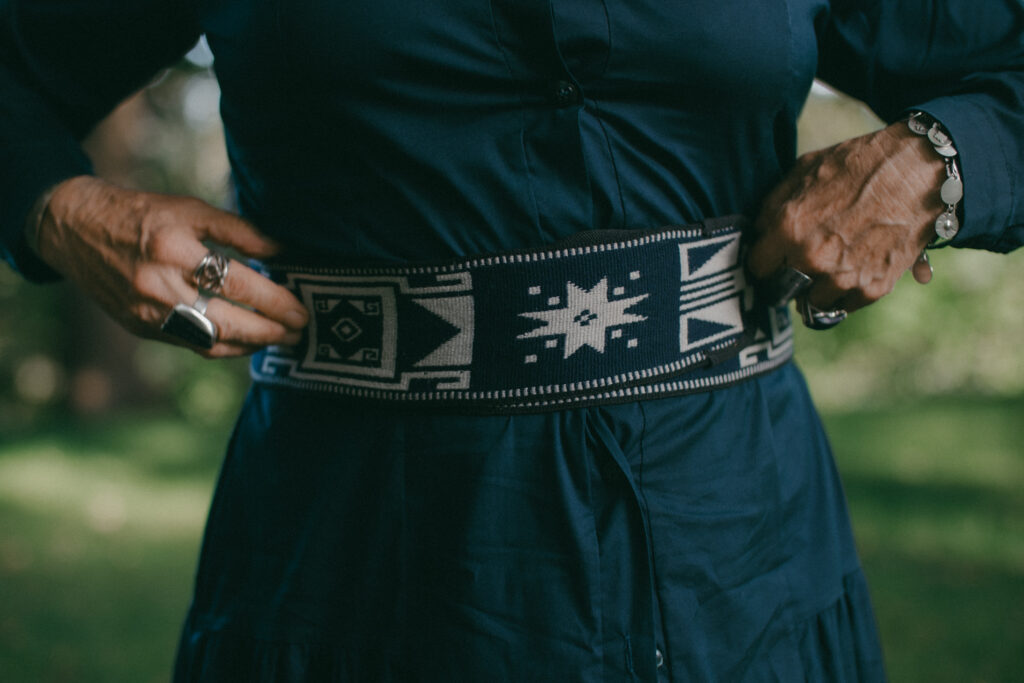 Carola Esparza: “Even the most difficult experiences will eventually bring something.” Photographer: Renata Chede
 Photographer: Renata Chede
Despite everything you’ve been through, you’ve maintained a deep sense of trust. Where does that come from?
“I always tell myself: there must be a meaning to this. I trust that there is something beyond, and that even the most difficult experiences will eventually bring something.
Whenever I start doubting, I say to myself: ‘Shouya shouya’, as they say in Morocco. Little by little. And usually, sooner or later, you begin to see it. You understand why you had to lose that job, or why a relationship had to end. Looking back, you realise that there was a greater good behind it all.”
Also read our interview with activist for Mother Earth Vandana Shiva.
READ MORE:

Vandana Shiva: “In a living economy, we participate in the natural world as equals”
27 October 2026