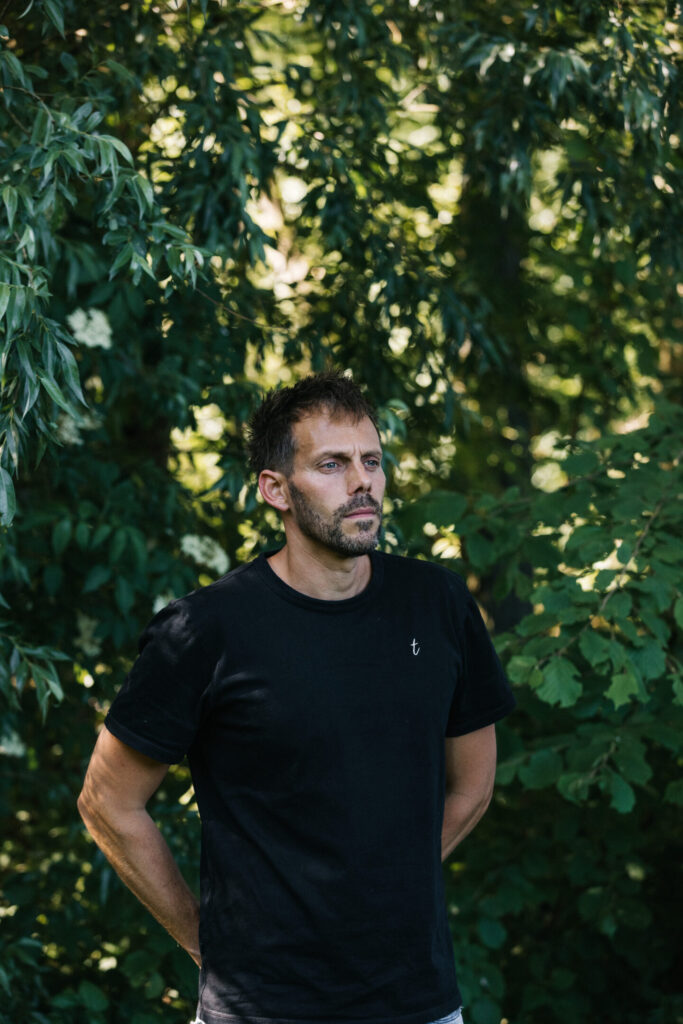
Thomas Uljee, Bert Mulder & Piet van Westen
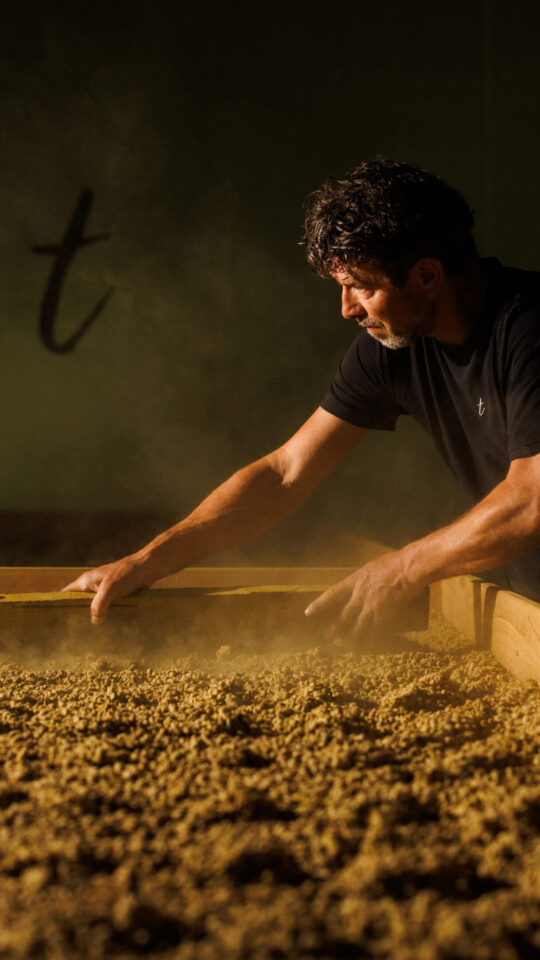
What began ten years ago with a simple question grew into a journey that took the founders of Tomasu from Japanese masters to forgotten seeds, from fermentation barrels to soil ecology, and from a single product to fundamental questions about food production. Along the way, they discovered that Tomasu may not really be about soy sauce at all, but about curiosity, time, attention and the question of how to create something that can outlive generations. “We still want to be relevant 150 years from now.”
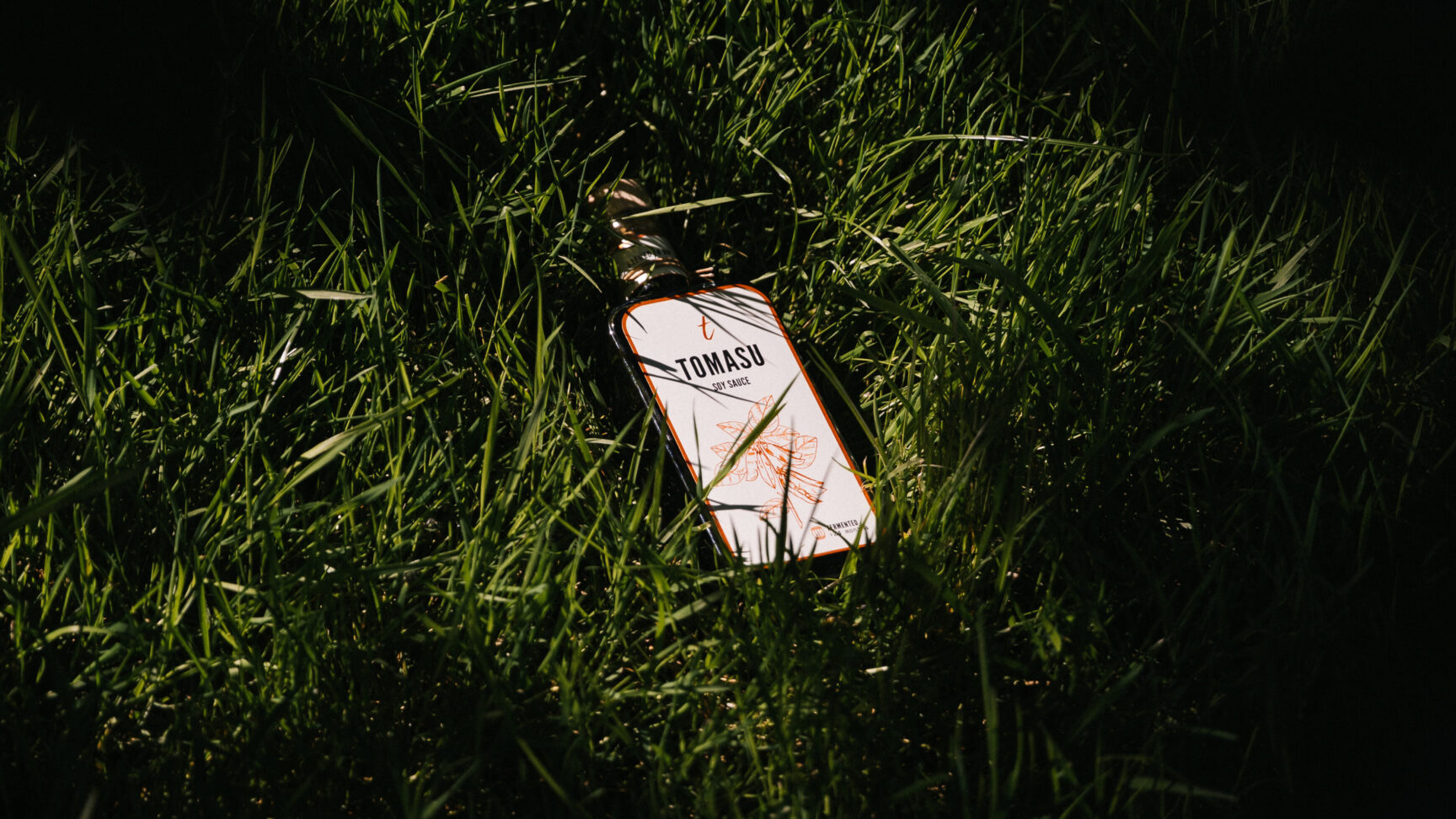
Tomasu is one of the few micro-brewed soy sauces in Europe, brewed in Rotterdam with locally grown, regenerative ingredients. Aged for at least 24 months in former whisky barrels, it has been praised by Japanese experts as one of the finest soy sauces in the world. Remarkable, given that its Dutch founders Thomas Uljee, Bert Mulder and Piet van Westen filled their first barrel merely ten years ago.
“I remember the first time we visited a renowned soy sauce brewery in Japan, in 2025,” says Thomas. “For years, we had been experimenting, trying, failing, and teaching ourselves a process that usually rests on generations of accumulated knowledge. At the brewery, we asked about the ratios they used – and they matched ours. You have to understand this is a tradition built over generations. And we had simply arrived at it ourselves, through countless experiments. That gave us a lot of confidence and confirmed something we had come to believe more and more strongly: craftsmanship does not only come from knowledge being passed down, but also from attention, observation, and simply doing something yourself, over and over again.”
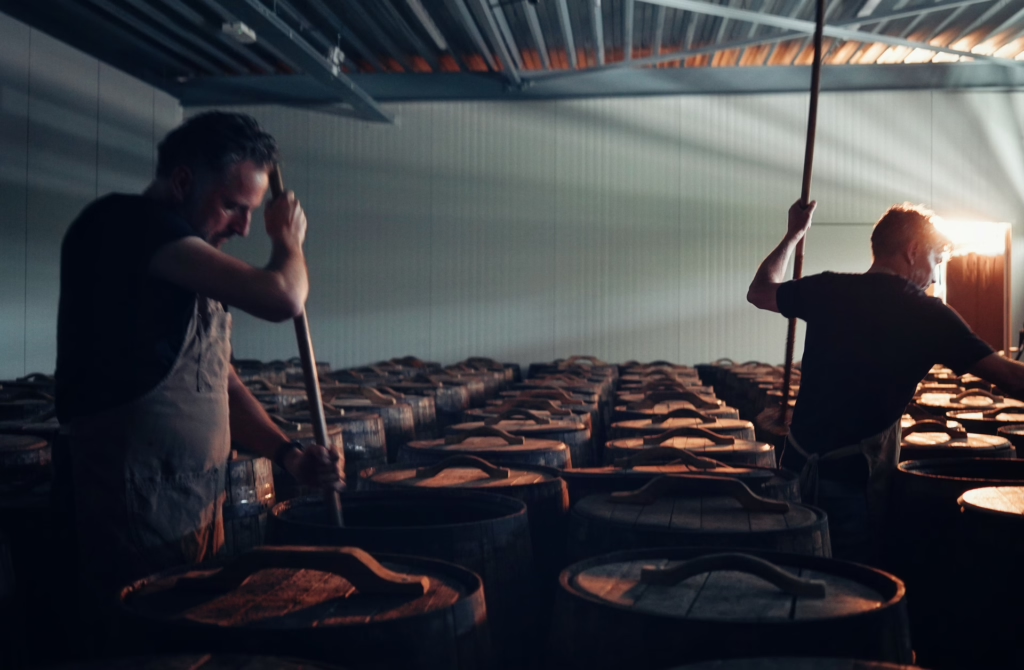 “In the food industry, time is seen as a cost.” Photo by: Tomasu
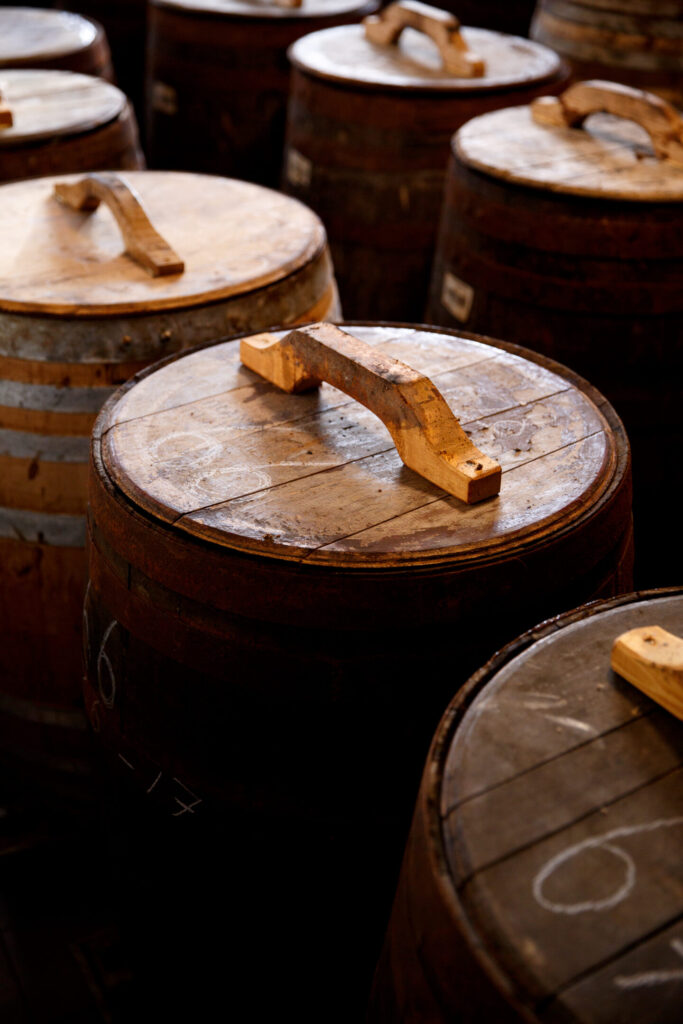 “Economy, nature and community should not be kept separate.” Photo by: Tomasu
Even so, after more than 1,000 barrels, the founders still think of themselves as “absolute beginners”. “After ten years, we know for certain that we have not brewed our best soy sauce yet,” Thomas says. It is a contrast that captures something essential about Tomasu. On the surface, it is a product that has won international recognition; behind it lies a world in which soil life, seeds, fermentation, flavour, craftsmanship, time and human relationships are all deeply intertwined.
Uitgelichte quote
After ten years, we know for certain that we have not brewed our best soy sauce yet
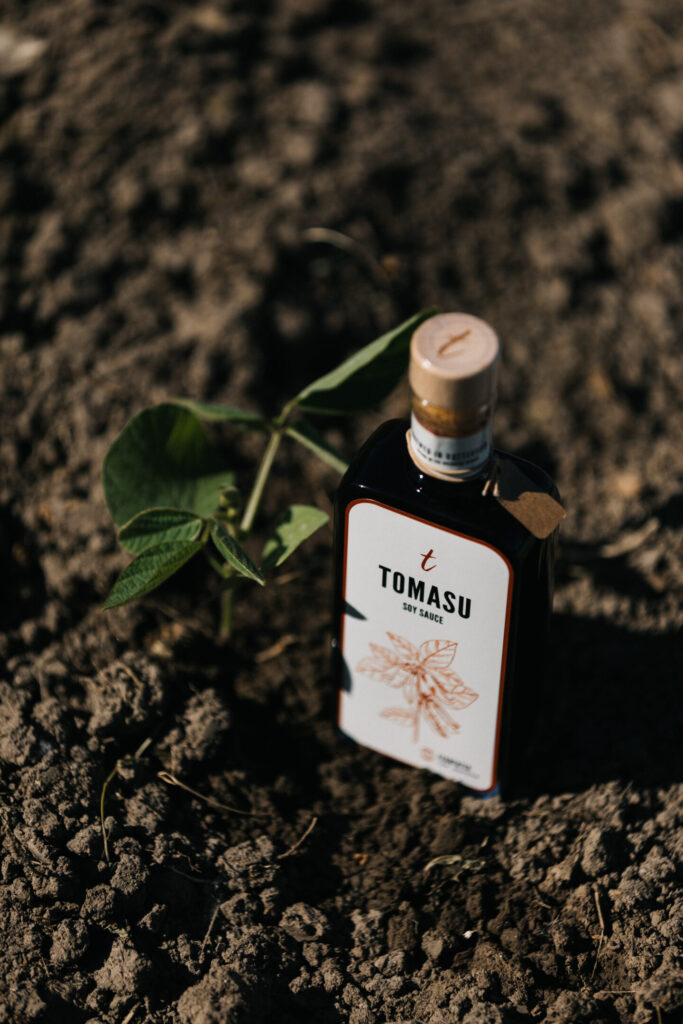 “People think we are mainly occupied with soy sauce, but in reality we spend far more time thinking about the soil.” Photographer: On a hazy morning
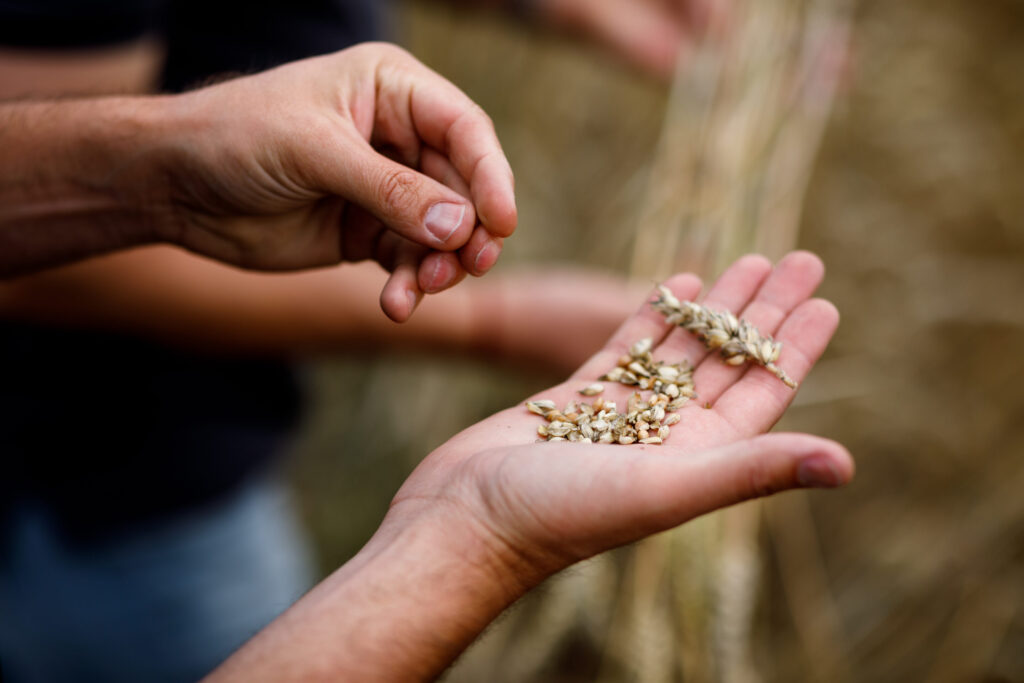 “What actually makes soil healthy?” Photo by: Tomasu
Craftsmanship through attention
In much of the food industry, time is seen as a cost. At Tomasu, it may be the most important ingredient. Their soy sauce is made from homegrown soybeans and wheat, combined with water, Breton sea salt and their own Aspergillus oryzae fermentation culture. What follows is a fermentation and ageing process of 24 to 36 months in former whisky barrels.
“The whole process, from soil to bottle, takes over three years. Throughout that, we do everything ourselves – from growing the seeds to filling the bottles,” says co-founder Bert Mulder. Now and then, the founders even collect the sea salt themselves from Guérande, in Brittany, where salt has been harvested by hand for more than 2,000 years – rich in minerals that are lost in industrially produced salt.
This way of working resonates with the Japanese idea of nariwai: the understanding that work is not about maximum growth, but that craftsmanship emerges from attention, rhythm and reciprocity, in connection with nature and community. “It is inspired by life in the Japanese countryside before modernisation. Rather than specialising in a single trade, farmers combined many different tasks: growing crops, gathering mushrooms, carrying out maintenance, making sake,” Bert explains. “It shows that economy, nature and community do not always have to be kept separate. In fact, it is by recognising their interdependence that the most resilient systems emerge.”
Uitgelichte quote
We fail often, but that is okay. Every failure helps us to better understand our ingredients
The soil as the foundation
The same is true of the soil, where the nutritional value of our food – and therefore its flavour – begins. “Once you understand its importance, a new question arrives,” says Thomas. “What actually makes soil healthy?” By now, the founders know that the balance between microbiology, minerals and organic matter is essential. “Once that balance is restored, the natural strength of the soil comes back to life.”
“People often think agriculture begins with a seed, but really it begins much earlier: with the conditions that seed enters into,” Bert adds. “That is the funny thing: people think we are mainly occupied with soy sauce, but in reality we spend far more time thinking about the soil and our crops.”
Seeds, too, are becoming an increasingly important part of the picture. Tomasu now works with several institutes and researchers to test different varieties of wheat, soybeans, sesame, peppers and sorghum. “Some of those varieties have not been grown for decades,” says Bert. Not everything has proved successful. “We fail often, but that is okay. Every failure helps us to better understand our ingredients – and, through that, our product.”
Uitgelichte quote
That smell takes me back, in a single second, to the very beginning
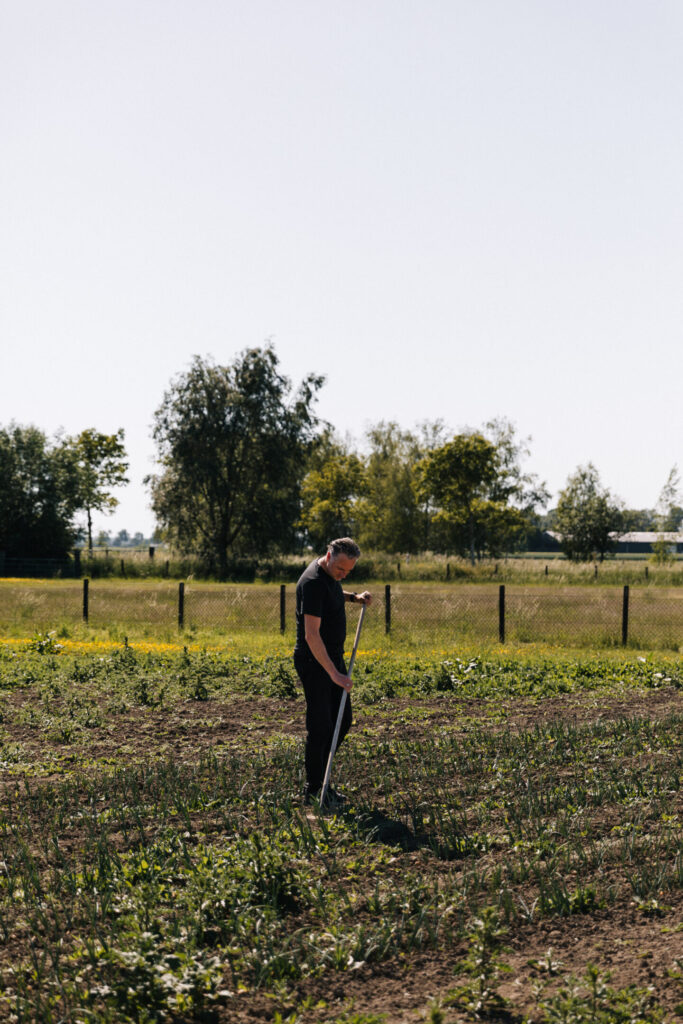 "Craftsmanship emerges through the repeated act of looking, smelling, tasting and observing." Photographer: On a hazy morning
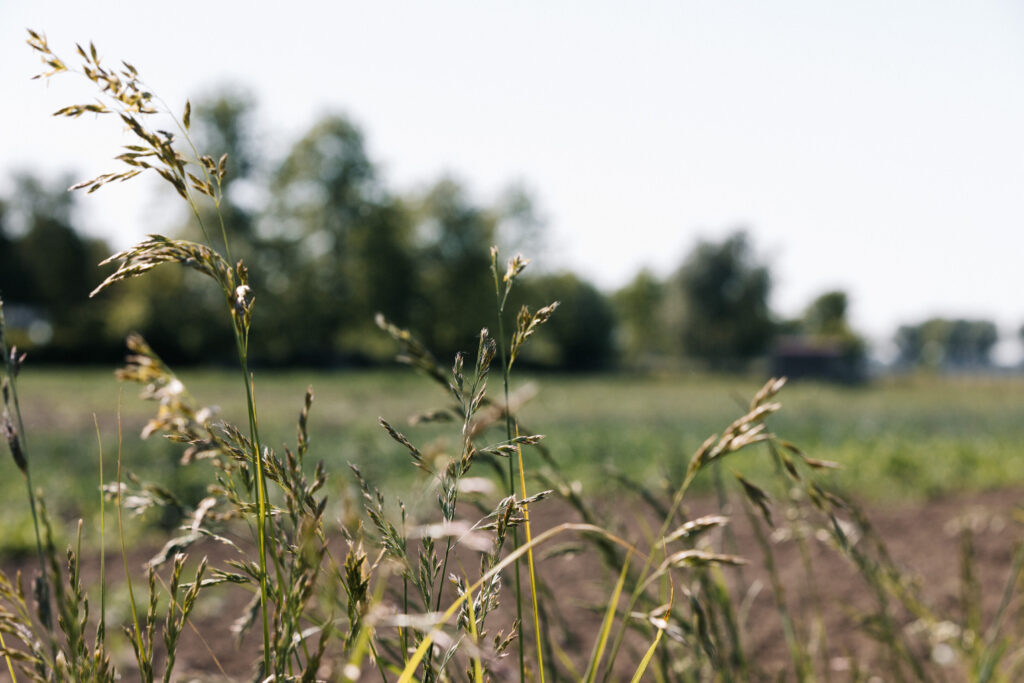 Photographer: On a hazy morning
The beauty of slowing down
“Every Saturday, I go upstairs to the room where the newest barrels are kept. They have these tiny holes in them, and when you look inside, you can see the soy sauce bubbling,” Thomas says. “When I put my nose above it, the same thing happens every time: I get goosebumps and become emotional. That smell takes me back, in a single second, to the very beginning. To the scent we did not yet know, but were unconsciously searching for.”
For him, craftsmanship emerges precisely in moments like these. Not behind a screen. Not in a spreadsheet. But through the repeated act of looking, smelling, tasting and observing.
“When we examine a barrel, our nose goes in first. Then you step back. Then you smell again. At first, you don’t understand it. I still don’t fully understand it now, but unconsciously you create more and more points of reference. Until you simply feel: this is right. Or: this isn’t.”
The founders hope this process never fully comes to an end. “The worst thing that could happen is that it’s finished,” Bert says, smiling.
Uitgelichte quote
Our strategy is actually very simple: if we genuinely enjoy something, we do it
Built to last
“Our strategy is actually very simple: if we genuinely enjoy something, we do it. And if we don’t, we politely decline,” Bert says. Over the years, this attitude has allowed Tomasu to surround itself with an inspiring bunch: Michelin-starred chefs, researchers, artists and farmers, as well as the sisters of the oldest women’s monastic community in the Netherlands. Their convent garden has become an important site for crop trials and for drawing on centuries-old knowledge of plants.
“The only real point on the horizon is that we still want to be relevant 150 years from now,” Thomas says. “And if you want to have a reason to exist over such a long period, you have to make very different choices.”
Uitgelichte quote
It’s not about growing bigger, but about becoming a little better each day
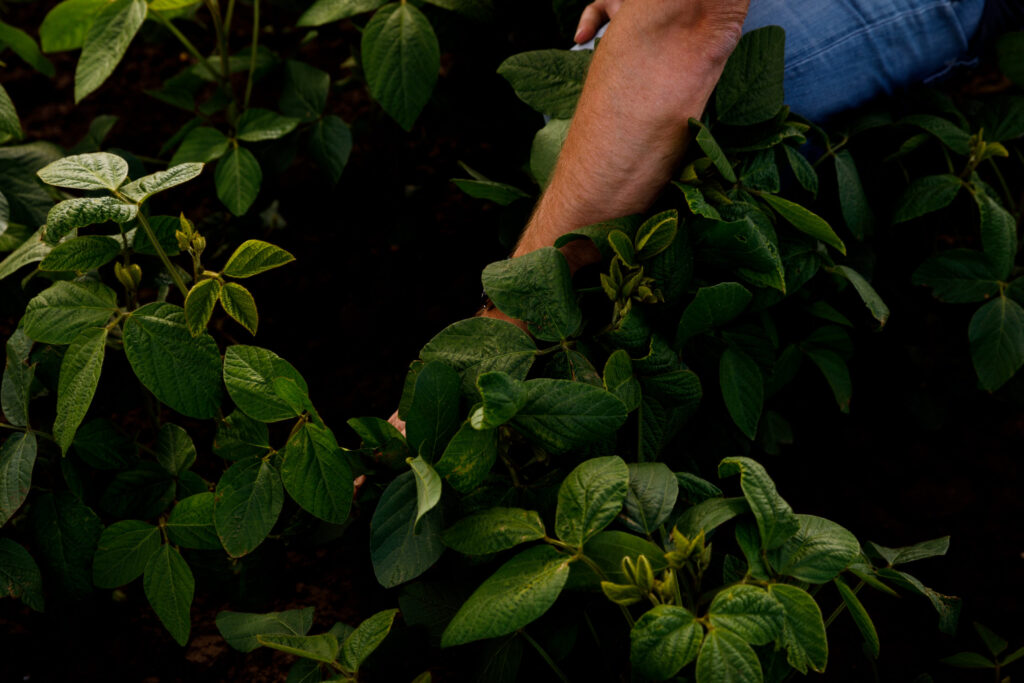 "Our farming is not only about producing, but about restoring and strenghtening." Photo by: Tomasu
 Photographer: On a hazy morning
Leaving more behind than you found
For Bert, it is ultimately not about growing bigger, but about becoming a little better each day. And about leaving more behind than you encountered. “That means our farming is not only about producing, but also about restoring and strengthening. About working with nature, rather than against it.”
“We don’t believe in universal solutions – what works here may not work somewhere else,” Thomas emphasises. “Our agriculture is really an ongoing dialogue with the place we work. That means observing, listening, adapting. And sometimes accepting that nature wants something different from you. That, too, is part of craftsmanship.”
Perhaps, in the end, that is what defines Tomasu. What began as a simple question – whether soy sauce could be made in the Netherlands – grew into a search for soil, seeds, fermentation, flavour and the relationships between them. A search that – even after ten years – is thankfully nowhere near finished.
Looking for more regenerative enterprises? Read our story on Favamole.
Original publication date: 8th of July 2026. Latest update: 28th of September 2026.
READ MORE:

Wilder Land: “Our ambition is to become a regenerative Unilever”
17 March 2026