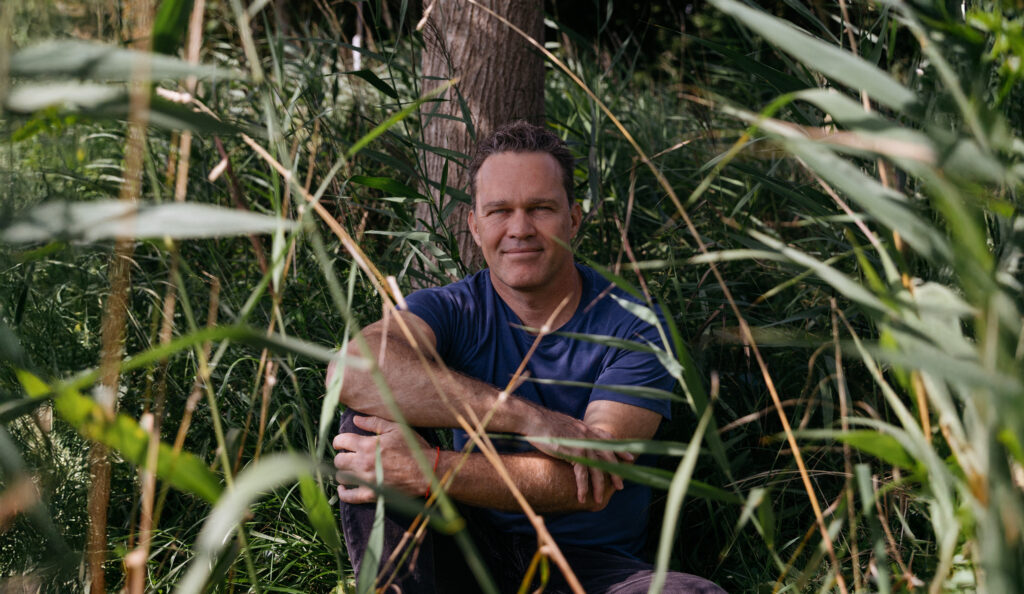
Daniel Christian Wahl: “Regeneration isn’t a point of arrival, but a way of participating”
As regeneration moves rapidly into the mainstream, Daniel Christian Wahl worries that, in embracing it, we may be repeating the very patterns it was meant to challenge. Ten years after Designing Regenerative Cultures, he reflects on trust, place and unlearning – and on a different way forward. “We are all expressions of life’s regenerative impulse.”
Your 2016 book Designing Regenerative Cultures puts culture at the heart of regeneration. Why start there?
“For me, culture is the story we live by. What we pay attention to, how we make sense of the world and the stories we tell about it all influence the reality we end up living in. Our worldview shapes what we design, and what we design in turn shapes our worldview.
In a regenerative culture, we come back into a right relationship with the places we live. Human beings are capable of being regenerative custodians and humble participants in the local landscapes and communities that bring us forth. It’s about remembering that we are not separate from those living systems, but part of them.
There’s also a deliberate paradox in Designing Regenerative Cultures, because you can’t design a culture from the top down. Culture emerges from the thoughts, words and actions of people in relationship with one another. But that also means we are all constantly co-creating it. Every word and action contribute to the world we live in. So participation isn’t really optional – everything is an intervention, including non-intervention. We can’t control what culture becomes, but we can become more conscious of how we participate in shaping it.”
Uitgelichte quote
What acts of caring are already happening as part of life’s regenerative impulse? And how can we participate in them?
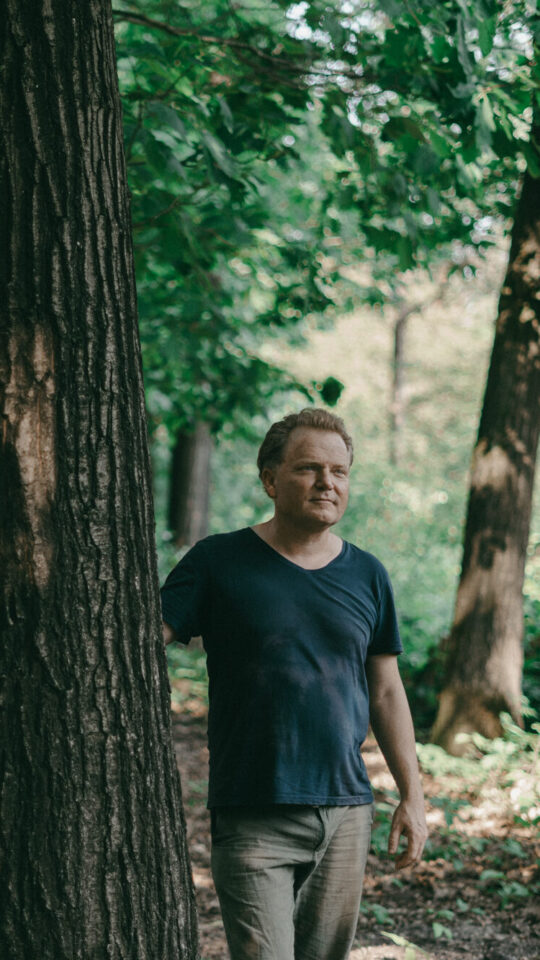
 Daniel Christian Wahl: “In a regenerative culture, we come back into a right relationship with the places we live.” Photographer: Renata Chede
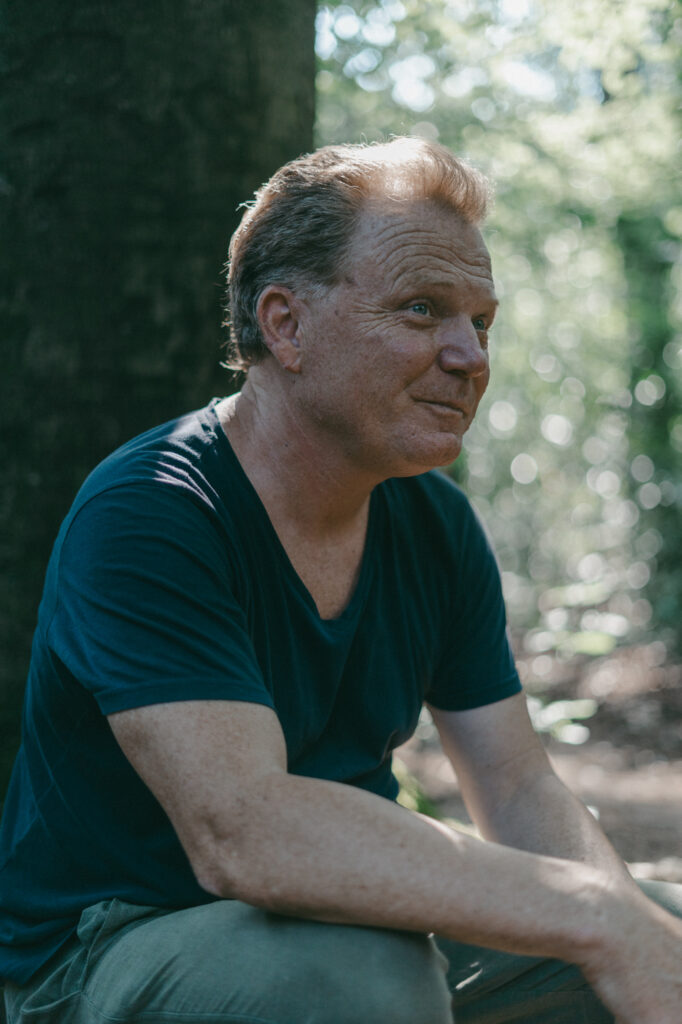
 “Everything is an intervention, including non-intervention.” Photographer: Renata Chede
So does that mean regeneration isn’t something we can consciously create?
“That’s right. Too often, people understand regeneration as some kind of desirable utopia that we now need to work towards. But it isn’t something new. It’s life’s fundamental process of creating conditions conducive to more life, and it happens at every scale: from the cellular to the individual, from ecosystems to the planetary.
So instead of constantly being in the mindset of ‘transitioning towards’ something – which keeps us running – we should ask: what is already here? What acts of caring, sharing, loving, nurturing, healing, valuing and creating are already happening as part of life’s regenerative impulse? And how can we participate in them?
That’s what we need to rediscover. How do we find the embers of regeneration already glowing in a place, give them some oxygen and help the fire grow again?
The biggest ally we have is life itself. The real question is whether we have the maturity, as a species, to recognise that – and to come back into a right relationship with the living systems we are part of.”
Uitgelichte quote
It starts with becoming conscious participants in the living systems we are already part of
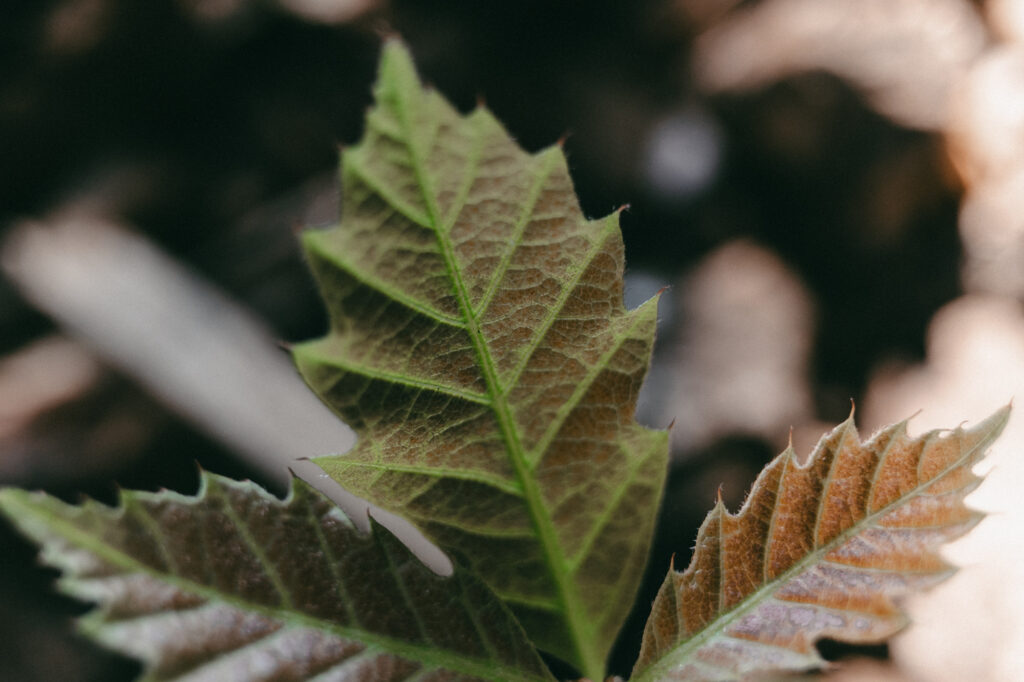 Photographer: Renata Chede
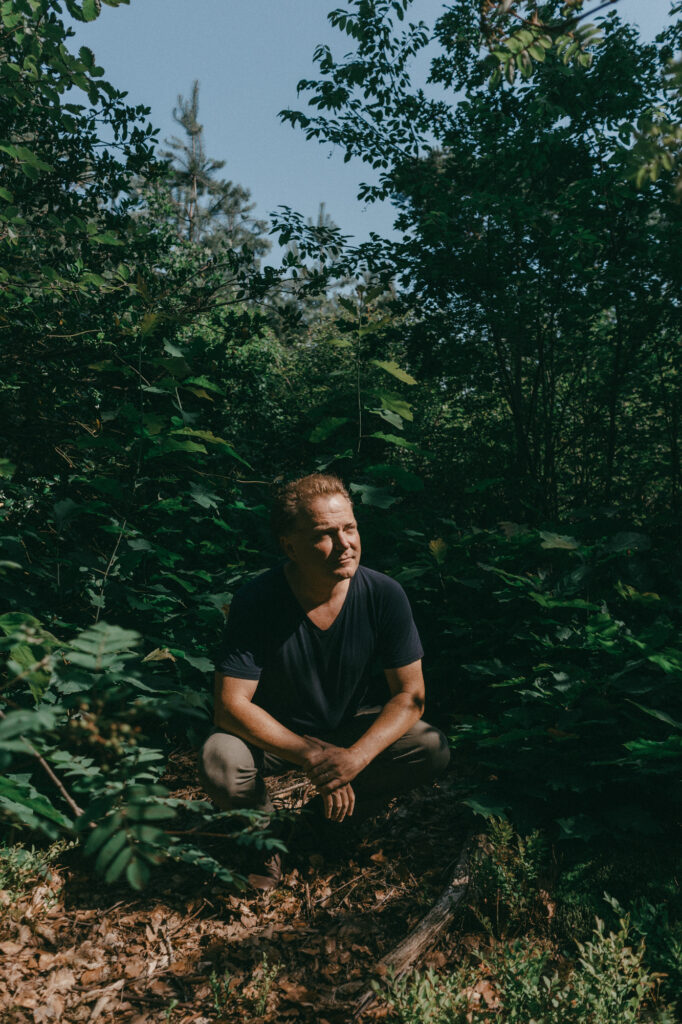 Daniel Christian Wahl: “Too often, people understand regeneration as some kind of desirable utopia that we now need to work towards.” Photographer: Renata Chede
How do we do that – get back into a ‘right relationship’?
“It starts with recognising that humans are not separate from nature. There isn’t a single place on Earth where that separation actually exists. All the atoms of the universe, including the ones that make up our bodies, are part of the same biogeophysical whole – the biosphere, the solar system and ultimately the cosmos. There is nowhere you can draw a line and say: nature ends here and something else begins.
Yet our dominant culture has created exactly that story: nature on one side, culture on the other, with culture somehow seen as superior to the nature it evolved from. We even talk about technology as if it stands outside nature, when ultimately it is one species using its capacities to rearrange matter into different forms.
So, then, what is the way back into a ‘right relationship’? It starts with becoming conscious participants in the living systems we are already part of. That’s where bioregioning comes in: relating differently to the landscapes, ecosystems and communities that sustain us. Not by forcing our will on nature, but by partnering with life and recognising that we emerged from this living fabric – and remain deeply embedded in it, whether we are conscious of it or not.”
Uitgelichte quote
There is always a group of people scanning the horizon for the next big idea, and regeneration has inevitably become part of that
As more people try to put these ideas into practice, what have you seen happen to the idea of regeneration?
“In dozens of countries around the world, I’ve seen regeneration shape how countless people and organisations think and operate.
At the same time, as with every term, it has been picked up in both helpful and unhelpful ways. There is always a group of people scanning the horizon for the next big idea, and regeneration has inevitably become part of that.
I often explain it like this: if a company says, ‘We are a regenerative property developer’, I become cautious. If they say, ‘We’re a property developer and regeneration is our direction of travel’, that feels much more credible.
Everything is a prototype. Regeneration isn’t a point of arrival, but a way of participating and learning within a larger living system. And just as importantly, it’s about unlearning: letting go of the tools and patterns that worked in the degenerative economy. Otherwise, we risk reproducing the old system in new language.”
Uitgelichte quote
For me, regeneration is often much less glamorous
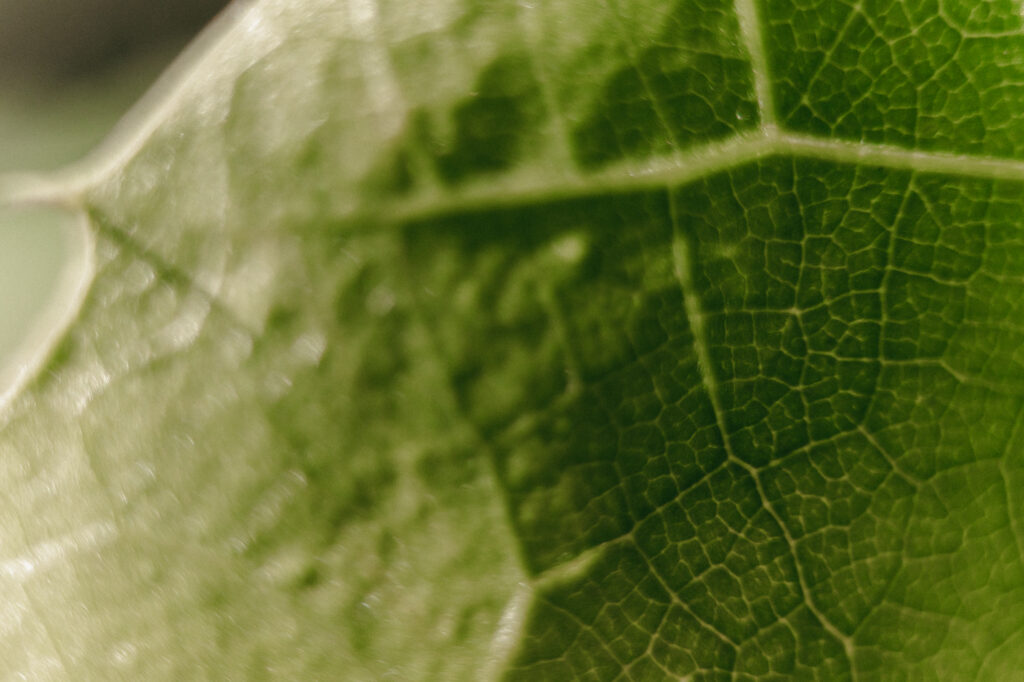 Daniel Christian Wahl: “It’s about creating something new while renewing and evolving what already works.” Photographer: Renata Chede
 Photographer: Renata Chede
So what does real regeneration look like in practice?
“Regeneration is happening everywhere, whether people call it that or not. The danger is that we look for the big, impressive example – the shiny project claiming to regenerate 400,000 hectares – and then assume we should simply copy and paste that model somewhere else.
For me, regeneration is often much less glamorous. It might be a single mother who starts a small organisation to support other single mothers. People hear about it, donate things, volunteer, and gradually she creates work, mutual support and a community where conversations that matter can happen. Maybe they start talking about where their food comes from, buying local or organic food together, or supporting local producers. That, to me, is regeneration in practice.
I don’t really care whether people call it regeneration or not. It’s about creating something new while renewing and evolving what already works. It’s rooted in the past, but continuously creative. It isn’t about returning to some imagined golden age, but recovering what we have forgotten in order to move forward – and recognising that we are always participants in that process.”
Uitgelichte quote
Complex living systems are fundamentally unpredictable
It can still sound quite abstract: if regeneration can’t be designed or controlled from the top down, what can we actually do to help it happen?
“That’s the million-dollar question. What I learned from Brian Goodwin, one of the founders of complexity science, is that complex living systems are fundamentally unpredictable. No matter how much data we collect, what we see will always be an approximation of something that is constantly changing.
So the question shifts. From: how do we predict and control the outcome? To: how do we participate appropriately?
I once asked Brian this exact question, and he pointed to three things we can actively work on.
First, the quality of information: do people understand what is happening around them and how their work connects to the wider context? Second, the quality of relationships: is there enough trust to listen to one another, work through disagreement and keep collaborating? And third, can people see the system as a whole – who else is part of it, how they are connected and what larger purpose they share?
Those are the conditions we can help create. We still can’t control what happens next, but we make it much more likely that something positive can emerge that none of us could have designed alone. That, for me, is the real work of regeneration.”
Uitgelichte quote
Becoming a parent showed me how deeply the small story and the large story are connected
Nine years ago, you also became a father. Did that change how you understood regeneration?
“Definitely. For a long time, I had this idea that having a child would take me from the ‘large story’ into the ‘small story’ – that it would divert my attention from what I thought I was here to do. Eventually I realised that was a false separation. Our daughter has been a teacher from the very beginning. Becoming a parent did take me into the small story, but it also showed me how deeply the small story and the large story are connected.
That became very tangible after my book came out. I had spent 20 years learning and working quietly, and suddenly the invitations came: fly here, speak there, stand on a stage and get paid thousands of dollars for showing up. I still travelled for a while because financially I had to, but becoming a father forced me to make a deeper choice about integrity. A father on the other side of the planet talking about regenerative cultures while his partner is effectively single-parenting their daughter is, to me, a charlatan rather than a regenerative practitioner.
So appropriate participation became very personal: how do I balance being a partner, a father and a member of a community with the wider work I want to do in the world?”
Uitgelichte quote
This land now owns me until my last breath
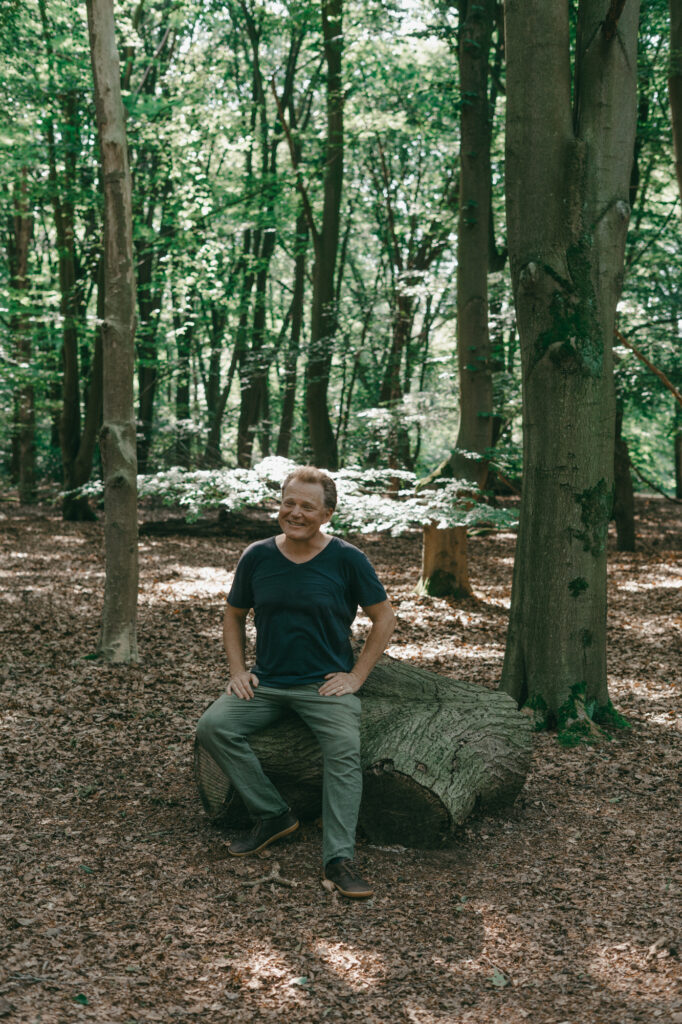 Daniel Christian Wahl: “For the first time in my life, leaving no longer feels like an option.” Photographer: Renata Chede
 “We made an almost stubborn commitment to stop uprooting ourselves.” Photographer: Renata Chede
And is putting down roots in Mallorca part of that shift too?
“Very much so. Before coming here, I had moved 28 times. My partner and I had developed a pattern where, after a few years in a place, things would become difficult and we would think: this isn’t working, let’s go somewhere else. But moving also allowed us to avoid the deeper relationship issues and community tensions that come with truly belonging and participating somewhere.
When we came to Mallorca, we made an almost stubborn commitment to stop uprooting ourselves. Our daughter was born here, which helped anchor us, and taking responsibility for a piece of land deepened that commitment.
I don’t see that land as something I own and then sell when it suits me. I take seriously the idea that this land now owns me until my last breath. My responsibility is to care for it and eventually hand it on to my daughter or other stewards who can continue that work.
For the first time in my life, leaving no longer feels like an option. I have quite literally grown roots through the 500 trees we’ve planted here.”
Uitgelichte quote
In practice, it’s messy
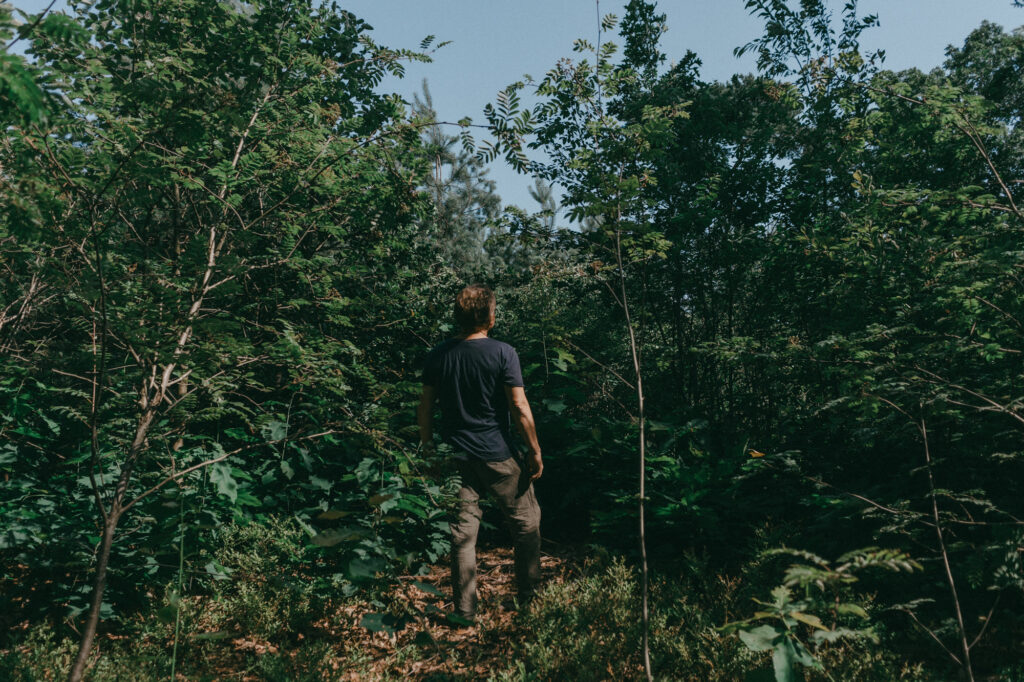 Daniel Christian Wahl: “The place becomes more important than any single organisation.” Photographer: Renata Chede
 Photographer: Renata Chede
Through the Land & Sea Alliance of local NGO’s and your work with Fundacio Iniciativas Mediterrani, you bring together farmers, communities and businesses around a shared regenerative vision for Mallorca. What has this taught you?
“It comes back to the same things: the quality of relationships, the flow of information and helping the system see itself. But in practice, it’s messy. You can have people who agree on 95 per cent of what they’re trying to do and still tear each other apart over the remaining five.
What we’re trying to do in Mallorca is move beyond those separate organisational stories towards a shared story of the place. Whether you work in regenerative agriculture, marine protection or something else, the question becomes: how does this contribute to the regeneration of Mallorca?
On an island, the connections become very clear. You can clean beaches and remove plastic, but if sewage and agricultural practices continue damaging the bays, the marine ecosystem will still decline.
So rather than saying, ‘our organisation is regenerating Mallorca’, we tell a different story: Mallorca and the Balearics are regenerating themselves, and these organisations are different expressions of that process. The place becomes more important than any single organisation.”
Uitgelichte quote
You have to move at the speed of trust
 Daniel Christian Wahl: “As trust grows, so does our capacity to do things together that none of us could do alone.” Photographer: Renata Chede
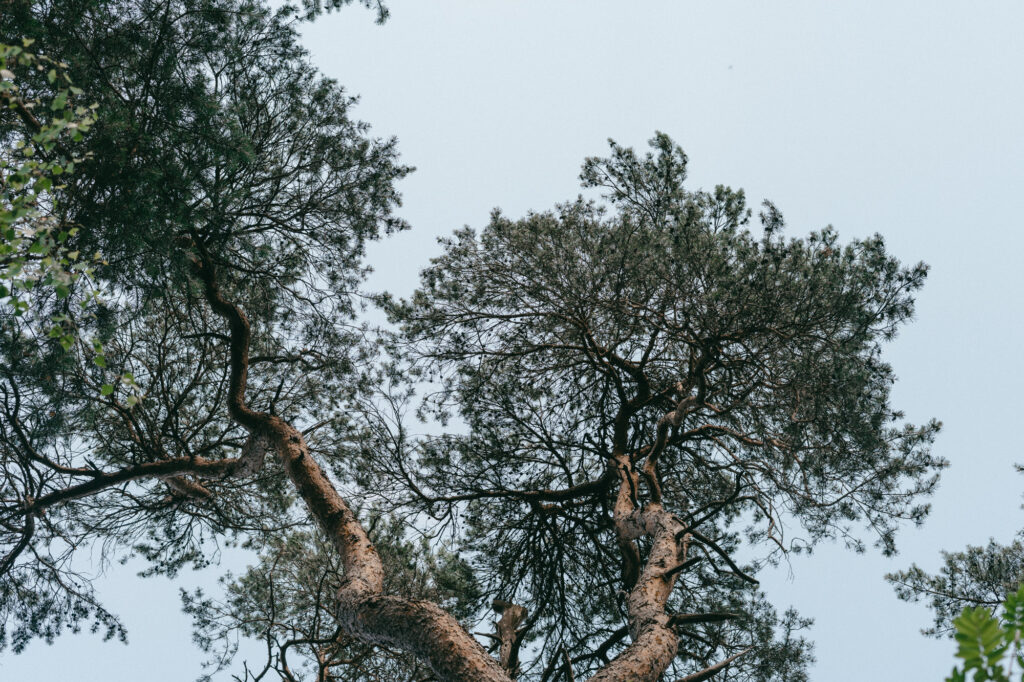 “Our shared care for this place can turn diversity into a source of collective strength.” Photographer: Renata Chede
That also means accepting that people come with very different perspectives.
“Yes. You have to move beyond the idea of ‘other’ and recognise that someone you thought was on the opposite side may care just as deeply about the same place. You can disagree about what to do and still find common ground.
What I’ve learned is that you have to move at the speed of trust. That’s slow. But as trust grows, so does our capacity to do things together that none of us could do alone.
We’re beginning to see that now, with farmers, NGOs, local communities, hotels and other businesses becoming part of the same conversation. We don’t have to agree on everything. Our shared care for this place can turn that diversity into a source of collective strength.”
Uitgelichte quote
Without realising it, we can carry the methods of the degenerative economy straight into regenerative practice
What other patterns tend to get in the way of regeneration?
“One of the biggest challenges is that – even when people genuinely want to do regenerative work – they still operate inside a system that rewards old ways of thinking and doing. Funding often flows towards those who make big claims about scale and impact, build a strong organisational track record and position themselves as the ones driving change. Without realising it, we can carry the methods of the degenerative economy straight into regenerative practice.
A friend recently told me: ‘All your friends know you’re a grumpy bastard.’ Maybe there is a bit of the old crank in me saying: look, we’re doing it again. But if we can’t call each other out when we fall back into those patterns – even with the best intentions – we won’t get very far. We need to become better at receiving critique without immediately seeing it as an attack. Can I sit with what you’re saying long enough to ask: is there a gift in this? Is there something in my own shadow I need to see in order to be of better service?
I’ve seen that happen here in Mallorca. There have been moments when I’ve been incredibly direct with people and thought: surely they’ll never speak to me again. And instead they came back and said: ‘OK, you named the shadow.’ That kind of honesty can deepen trust.
Ultimately, all of us are expressions of life’s regenerative impulse. If we really take that seriously, it becomes much harder to fall into ownership, turf wars and competition – this idea of: ‘This is our thing. Why do you want your finger in our pie?’ That, for me, is one of the central things we still need to unlearn.”
Uitgelichte quote
The bioregional scale is incredibly important
 What interests Daniel Christian Wahl most, is the relationship between human, family, community, bioregional and planetary health. Photographer: Renata Chede
 “Human health isn’t separate.” Photographer: On a hazy morning
Looking ahead, what still feels unfinished for you – and where do you want to take this work next?
“I’ve always thought about writing another book, but that has become harder while parenting, stewarding land, and doing the regional work in Mallorca. We’re also working on a documentary to open up the conversation about what we’re doing here to a much wider audience.
What interests me most is the relationship between human, family, community, bioregional and planetary health. So, what I want to explore more deeply is how these different scales are nested within one another. Human health isn’t separate from family health, community health, the health of a place or ultimately planetary health. It’s about health and wholeness throughout the system, and how we participate appropriately at all those different scales.
Ultimately, this work isn’t only about finding better solutions or designing better systems. It’s about understanding that we are part of a sacred process – and that we are expressions of it. That’s the bridge I would still like to explore more deeply.”
Who is Daniel Christian Wahl?
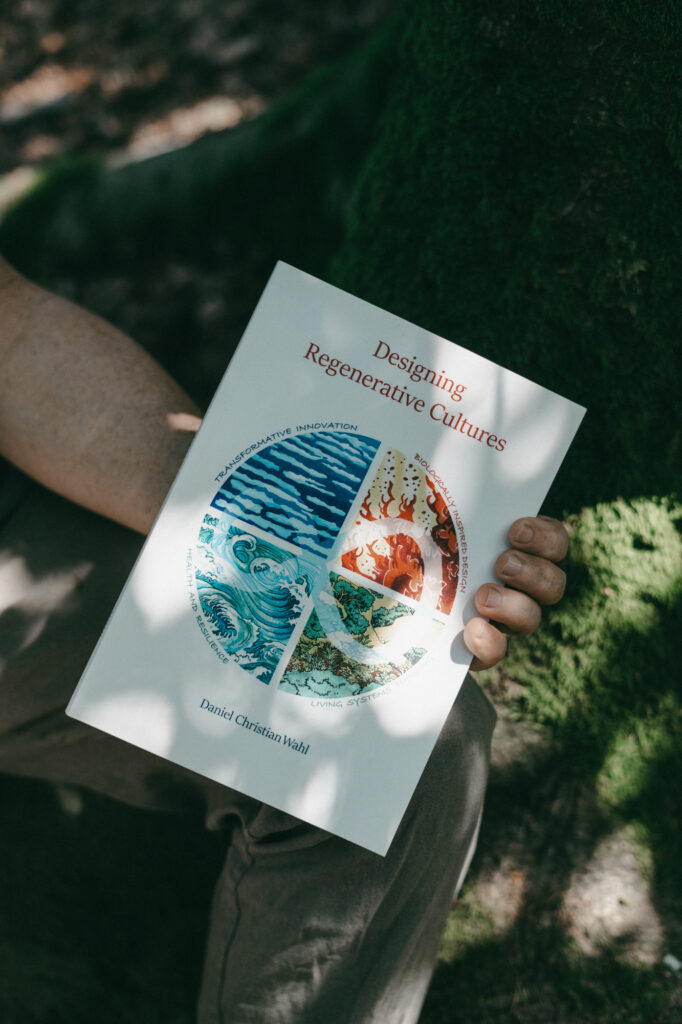
Daniel Christian Wahl (1971) is a German author, consultant, educator and activist working in regenerative design, living systems and planetary health. He holds a degree in Biology from the University of Edinburgh, an MSc in Holistic Science from Schumacher College and a PhD from the University of Dundee on Design for Human and Planetary Health.
Daniel’s book Designing Regenerative Cultures (2016) has been translated into eight languages. Through his work with Gaia Education, for the last 20 years, he’s built grassroots capability and capacity on six continents. He also co-curated and teaches on the Designing Resilient Regenerative Systems MOOC series and masters at ETH Zürich.
Daniel lives in Mallorca, where he works with many NGOs and businesses on long-term bioregional regeneration and helped establish the Land & Sea Alliance and Regenera Deià. He stewards a 0.8 hectare research and experimentation site for regenerative agro-food forestry in a Mediterranean climate and collaborates with the regenerative economy incubator Tana Mallorca Biohub.
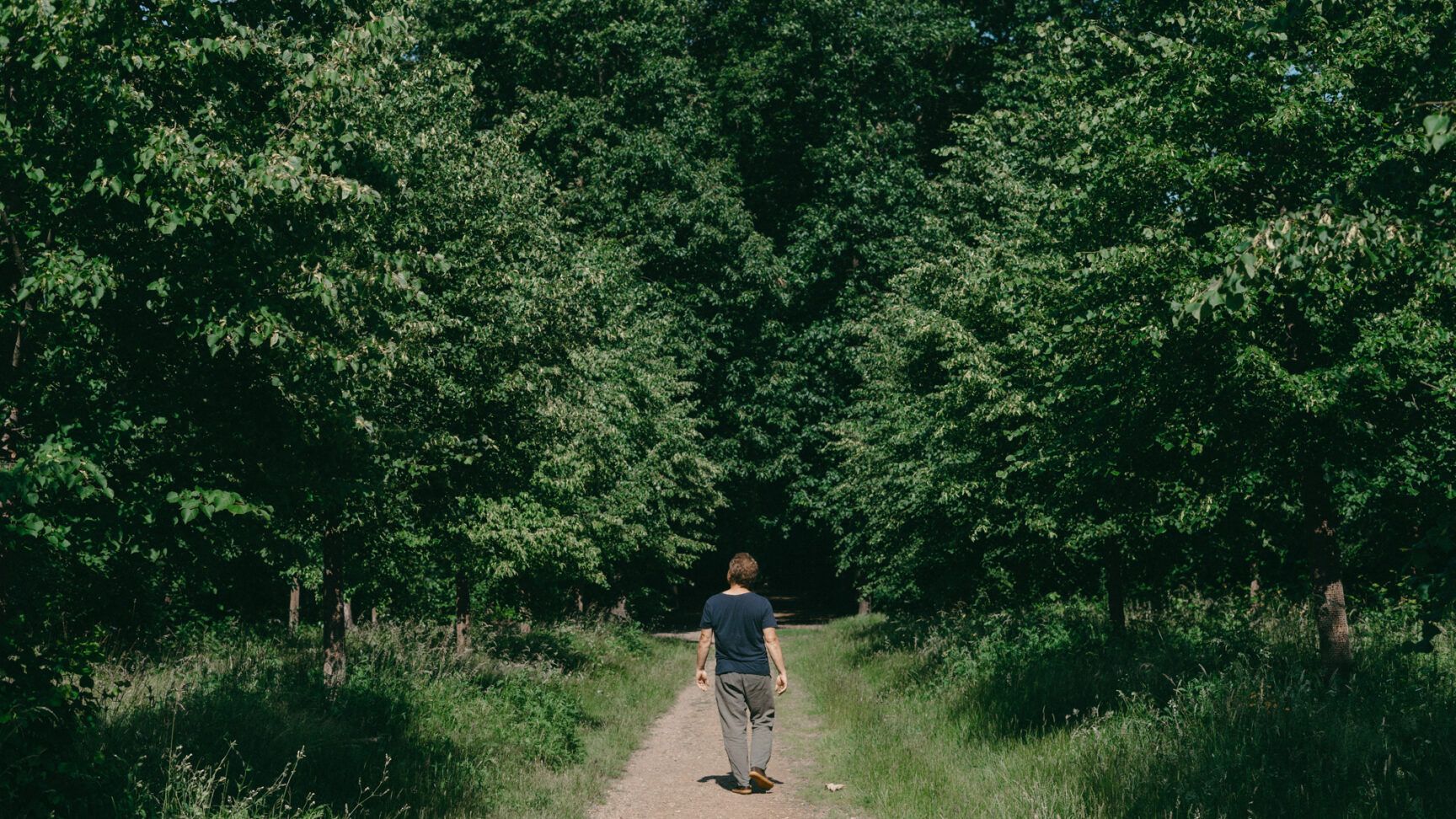
READ MORE:

Vandana Shiva: “In a living economy, we participate in the natural world as equals”
26 February 2026