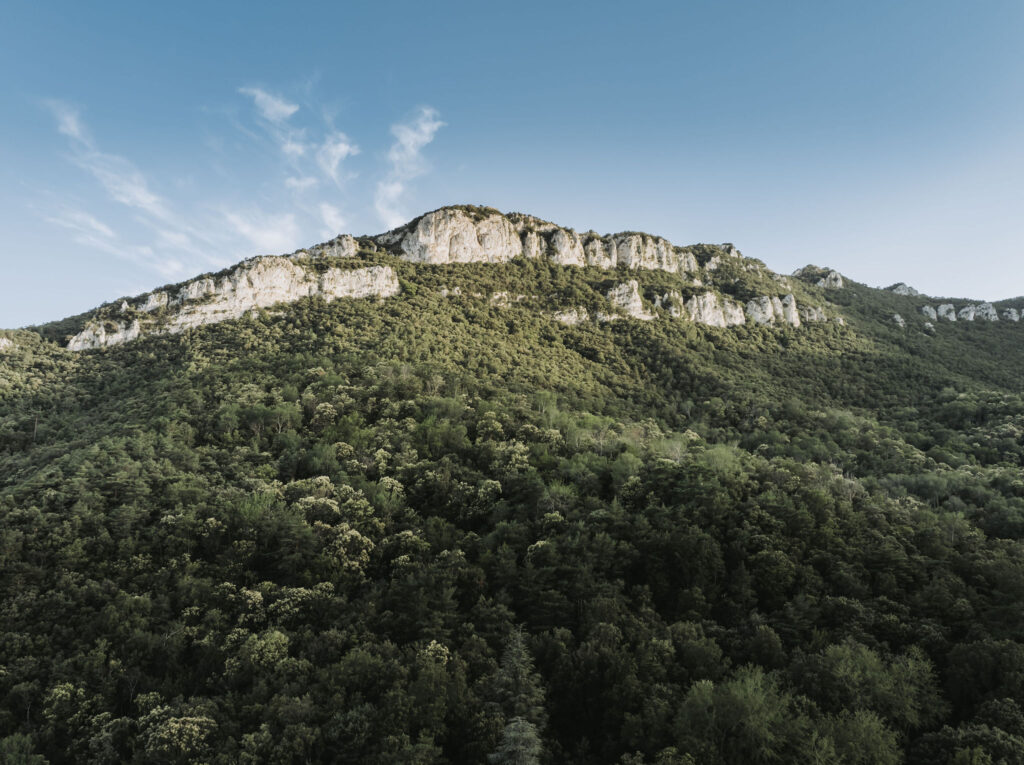
The hidden forest keeping the Amazon alive
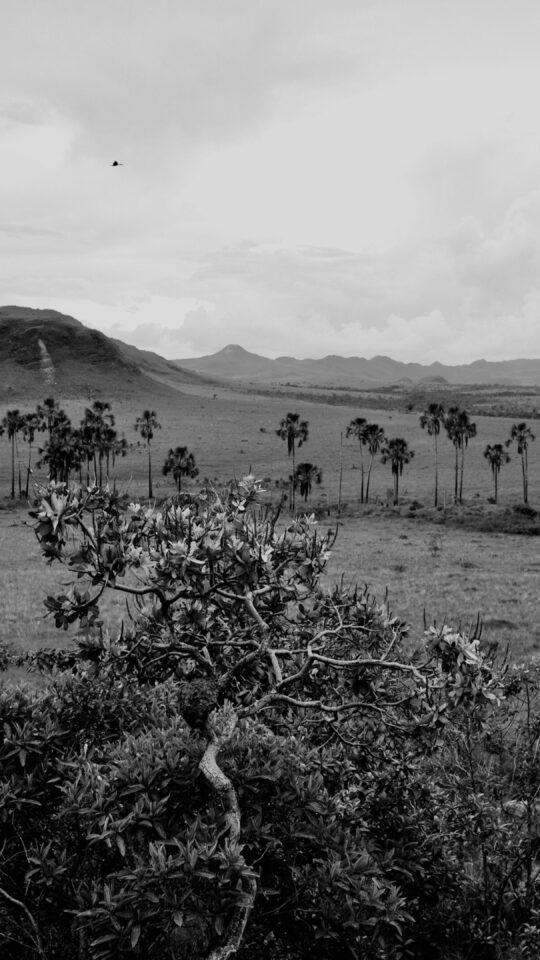
Brazil’s Cerrado is often seen as little more than the dry, scrubby backdrop to the Amazon rainforest. But this vast savannah is one of the most biodiverse places on Earth, a crucial store of water and an ecosystem the rainforest itself depends on. Can we protect this vital landscape before it is too late?
Dust runs through Tao’s fingers and hangs briefly in the air, an orange haze against the hard blue sky. He grimaces. “Isso é um não-lugar”, he says. A non-place.
Tao – short for Atahualpa – gets to his feet. His parents named him after the last Inca emperor, and there is something sculptural about him: dark curls, dark eyes, a sharp nose.
Beside his battered Fiat pick-up, we look across a field with no shade and seemingly no end. Soy stretches to the horizon in neat, knee-high rows, every plant almost indistinguishable from the next. Brick-red dust coats the leaves. Beneath the fierce midday sun, there is barely a sound.
“A non-place,” Tao says, looking out across the field, “for it could be anywhere. I’ve never been to the American Midwest, but this could just as easily be the American Midwest, couldn’t it?”
Uitgelichte quote
Cerrado people, known as geraizeiros, like to call the landscape berço das águas – the cradle of waters
 Photographer: Kees Foekema
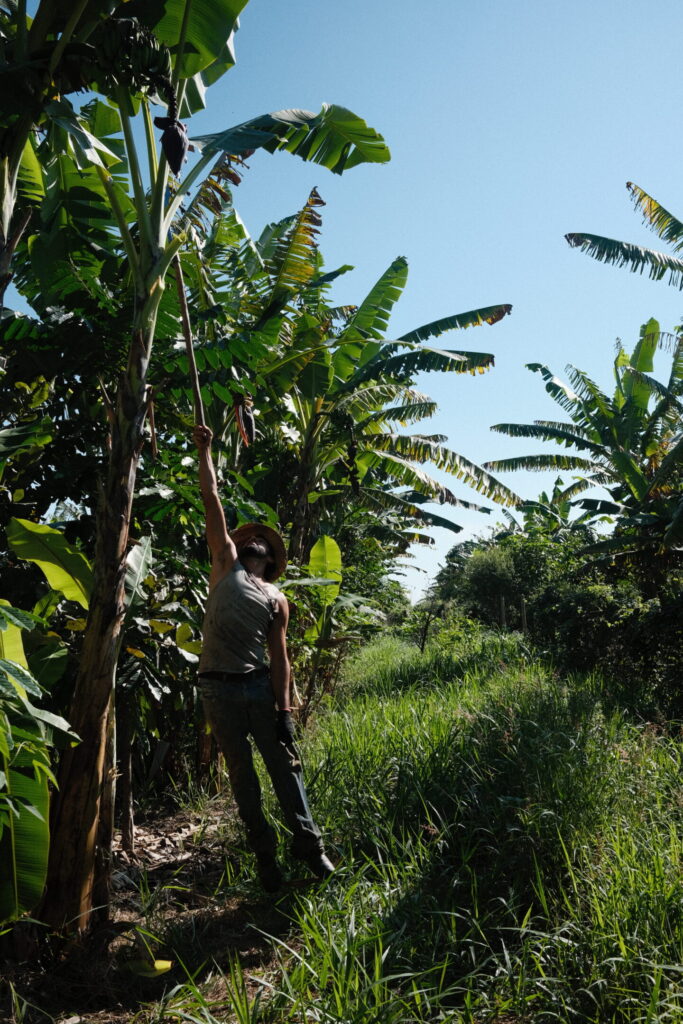 The food forest of Tao. Photographer: Kees Foekema
The cradle of waters
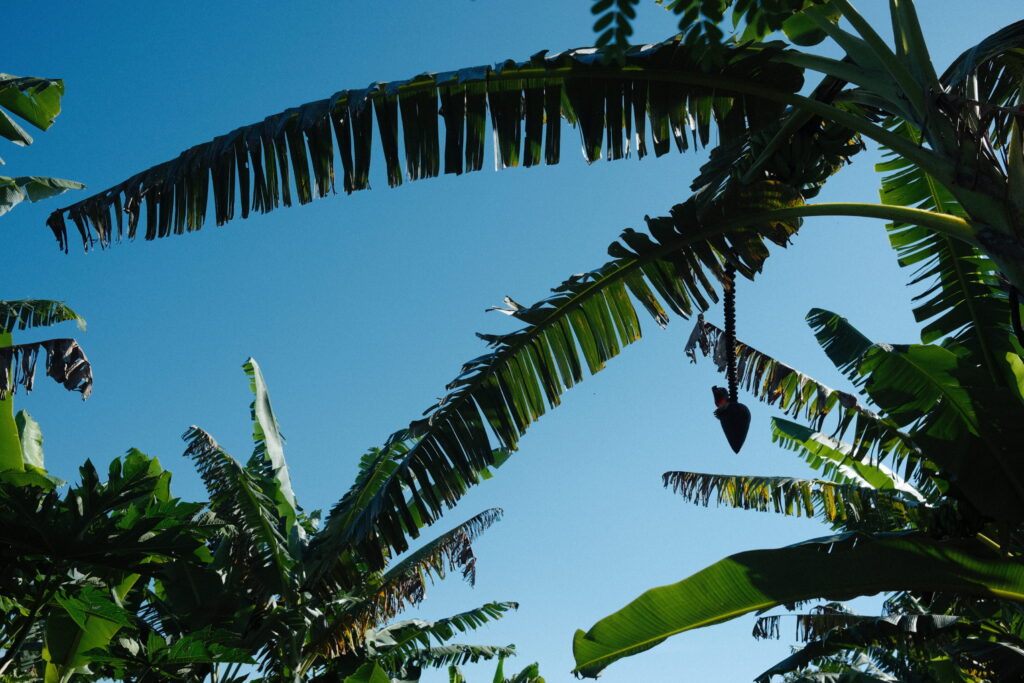
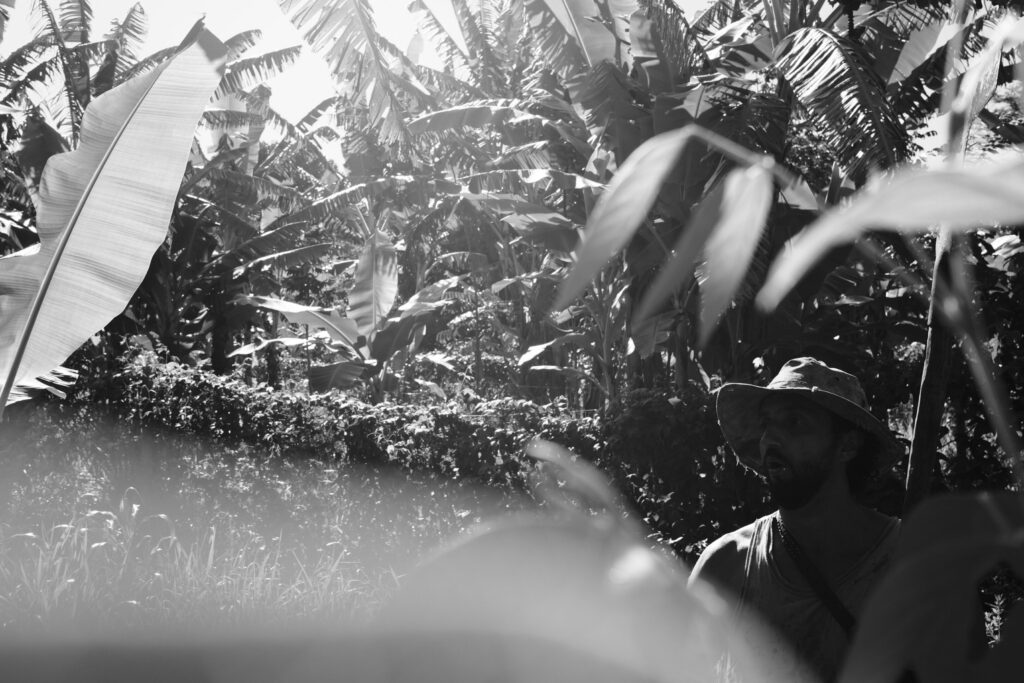
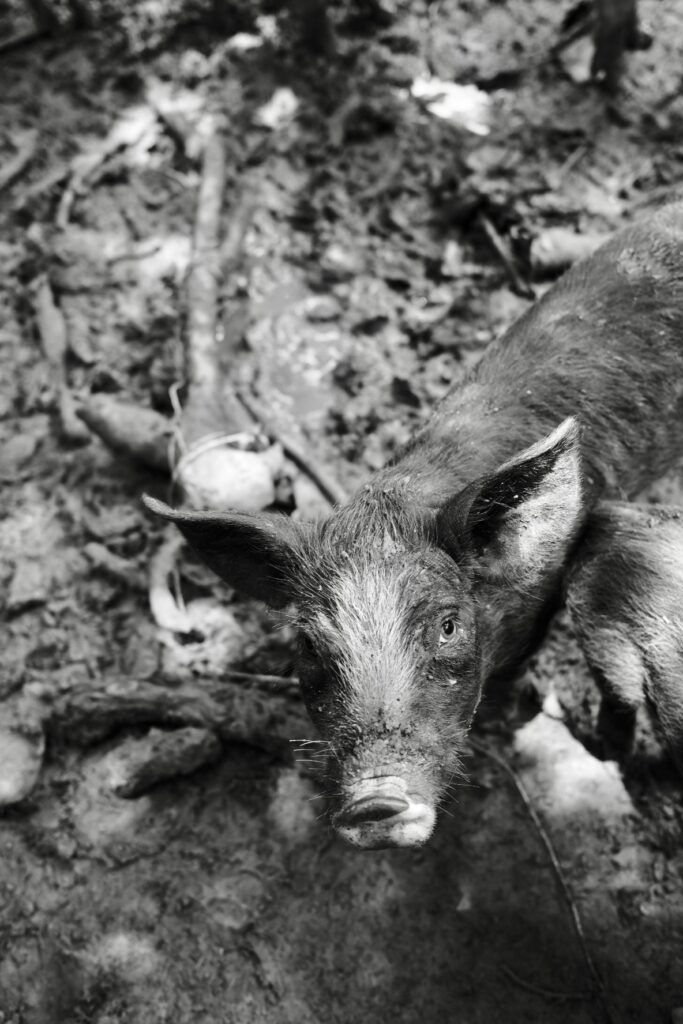
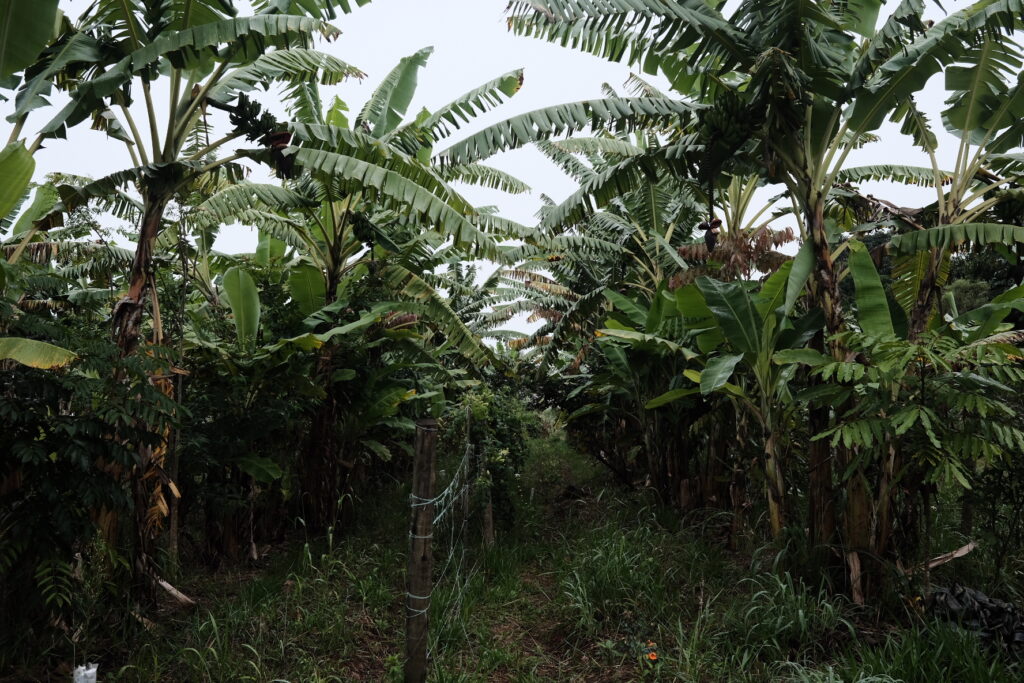
Tao is an agronomist and farmer. On his own land, he has a food forest, where mangoes, passion fruit, bananas and guava grow. Eight dogs roam in between countless edible native plants, blue macaws squabble overhead and in the distance, a pig grunts contentedly.
Like Tao’s land, this soy field lies in the middle of the Brazilian Cerrado, one of the most biodiverse places on Earth. The Cerrado is both savannah and forest, and is home to around five percent of all biodiversity on the planet, including an overwhelming 11,000 native plants. Right now, its vegetation is disappearing at a devastating pace to make way for soy fields like this one.
For years, deforestation of the Amazon rainforest has been fought on the world stage, most recently at COP30. As deforestation there begins to decline, the pressure increasingly appears to be shifting towards the Cerrado.
Cerrado people, geraizeiros, like to call the landscape berço das águas – the cradle of waters. From its high plateau, the Cerrado carries water towards some of Brazil’s largest river basins: southwards to the plains and pampas of the Paraná delta, and northwards towards the Amazon.
Yet the Cerrado remains an invisible landscape, hidden behind the rainforest: too twisted, too crooked to inspire the same affection. Tao compares the Amazon – and he is not the first to do so – to a young woman, and the Cerrado to a crippled old man.
Uitgelichte quote
The Cerrado’s deep roots store fresh water in aquifers, deep underground layers that hold water
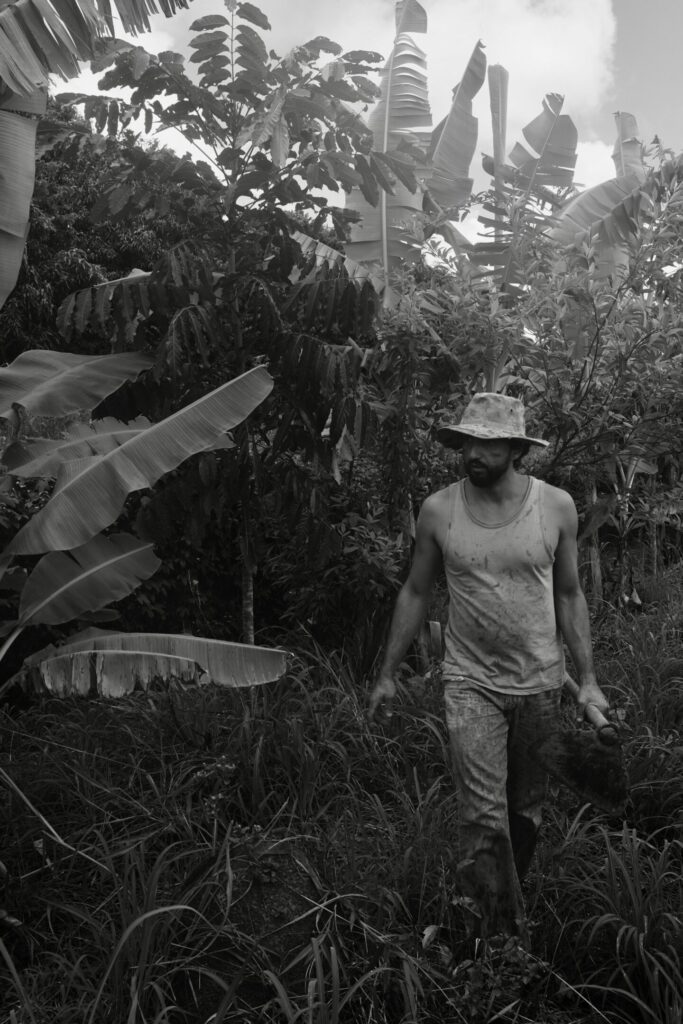 "A delicate interplay between vegetation, soil and rainfall keeps the landscape alive." Photographer: Kees Foekema
 Photographer: Kees Foekema
The upside-down forest
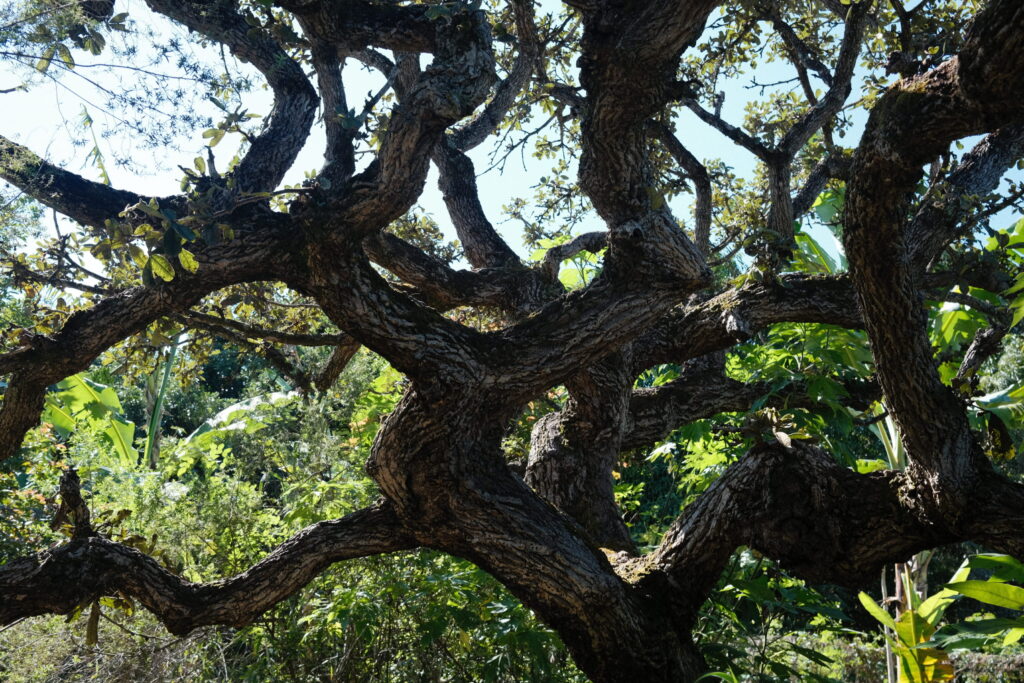
The old man’s charm is hidden from view. While the colourful Amazon grows exuberantly towards the sky above shallow roots, the Cerrado does the opposite: an upside-down forest. Small, winding trees above ground, but deep roots below. “That’s where the forest is,” Tao explains.
The Cerrado’s deep roots store fresh water in aquifers, deep underground layers that hold water. A delicate interplay between vegetation, soil and rainfall keeps the landscape alive. When native plants disappear, the soil loses its structure. Water no longer sinks as deeply into the ground. The land dries out from within.
Uitgelichte quote
The Cerrado is connected to the Amazon through a cycle of water, yet receives barely any protection
Flying rivers
The consequences reach all the way to the Amazon rainforest. The Cerrado is connected to the Amazon through a cycle of water: ‘flying rivers’. These carry enormous amounts of water vapour through the atmosphere, which falls as rain over the Cerrado before flowing back again. In this way, the two forests sustain one another. If the Cerrado disappears, the Amazon will wither.
Researcher Arnaldo Carneiro has spent decades studying the relationship between Brazil’s ecosystems. Now approaching retirement, he is working with his ORA observatory on what he describes as the project of a lifetime: mapping legal and illegal deforestation and the pressures bearing down on the Amazon. “From the west, you get an excellent view of the flying rivers,” he says. They travel from the Amazon across the continent, passing above Brasília and the Cerrado before continuing south.
Uitgelichte quote
An agricultural system that is depriving itself of its own water supply
 Photographer: Kees Foekema
 Nearly half of the Cerrado has been converted into agricultural land. Photographer: Kees Foekema
Preventing deforestation
By now, nearly half of the original Cerrado ecosystem has been converted into agricultural land. “An agricultural system that is depriving itself of its own water supply,” Arnaldo says.
And for the time being, this is continuing, says Paulo Barreto, a deforestation expert at the research institute Imazon. “Compared with the Amazon, the Cerrado is barely protected.”
In the Amazon, Brazil’s Forest Code requires landowners to leave large parts of their land intact. In the Cerrado, those percentages are drastically lower. There are also fewer protected natural areas and Indigenous territories that exclude large-scale agribusiness.
Uitgelichte quote
The Amazon itself shows just how quickly markets can respond when requirements are made enforceable
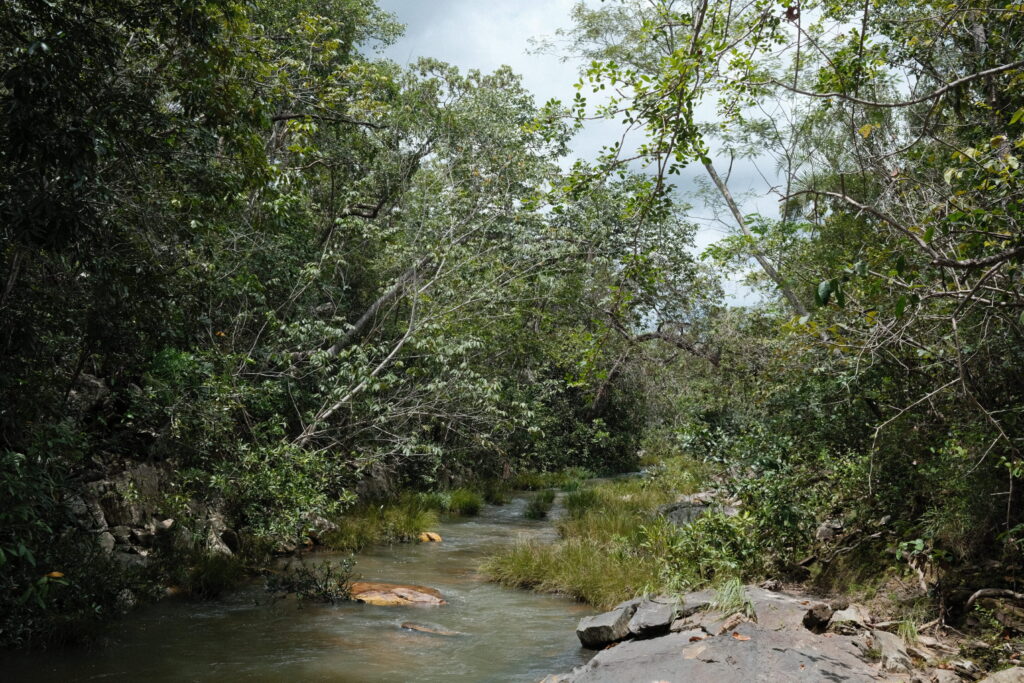 "With the Amazon approaching tipping points, every hectare of forest that remains standing matters." Photographer: Kees Foekema
 Photographer: Kees Foekema
Leveraging Mercosur-EU
What stands out is that efforts to curb deforestation in the Amazon rainforest are increasingly succeeding. Or, more precisely, the long-term trend is encouraging. With the Amazon approaching tipping points, every hectare of forest that remains standing matters.
Deforestation in the Amazon began on an enormous scale towards the end of the last century, but fell sharply around a decade ago for two reasons: strong action by the Brazilian government against illegal land use, and a moratorium on soy from deforested land, pushed through by international civil society. Soy and beef from destroyed Cerrado, by contrast, continue to be traded without restriction.
The Amazon itself shows just how quickly markets can respond when requirements are made enforceable. According to Barreto, Brazilian food producers respond quickly to credible pressure from international markets. “If Europe really starts setting conditions to stop deforestation, the sector will change.” The new European agreement with Mercosur could become an important lever, Barreto says: “Right now, it is still far too weak.”
Uitgelichte quote
If Europe genuinely imposes requirements to stop deforestation, the sector will change
 Photographer: Kees Foekema
 Photographer: Kees Foekema
Agriculture without culture
Tao’s Fiat rattles like a radiator. One soy field follows another. He points to a sign: “Deus é dono desse negocio.” God owns this business. On the back, someone has painted a reply: “temos fome.” “We are hungry,” Tao laughs. I say nothing.
We get out as soon as the Cerrado turns wild, climbing across rivers towards the higher reaches of the Chapada Indaía.
The Cerrado begins to lose its invisibility. Flat grassland gives way to dense forest, stretching out like galleries of rainforest along cliffs and waterfalls. I see termite mounds growing among twisting tree trunks. The trunks change direction like bolts of lightning, while charred branches intertwine like aerial roots.
Uitgelichte quote
Of the agricultural land currently used as cattle pasture, around 18 million hectares are suitable for crop farming
No more bullshit
It can seem as though it’s Tao’s food forest versus the desolate landscapes of agronegócios – what Tao calls “agriculture without culture”.
And yet, Arnaldo Carneiro says, not everyone has to do things Tao’s way. “What matters is that agricultural systems take up less space and leave as much room as possible for untouched Cerrado.”
Arnaldo admires Tao’s agroecological principles. He likes buying his own produce at the Saturday market in Brasília, but acknowledges that Tao’s way of farming is not the only answer. For Arnaldo, the holy grail is smart crop farming applied at scale: “little land use, high yields, socially embedded”.
He calls the Cerrado a landscape of false oppositions. “Ecologists think agriculture will swallow everything. Farmers think conservation goals will get in their way and that soon they won’t be able to grow anything at all.”
For Arnaldo, the problem is that ecological agriculture seems unwilling to engage with scale and technology, while large negócios remain deaf and blind to ecological principles.
He offers a solution to curb the constant expansion of agricultural land: convert land currently used for grazing into cropland. “Of the agricultural land currently used as cattle pasture, around 18 million hectares are suitable for crop farming.”
According to Arnaldo, switching from grazing cattle to smart crop farming would make it possible to increase food production while leaving far more room for wild Cerrado. There would still be space for small-scale use of the Cerrado, for example by traditional communities, Indigenous peoples and food forests like Tao’s. “You can get to zero deforestation while maintaining food production,” Arnaldo says.
“It does mean less grazing in the Cerrado, because that is by far the worst. No more bullshit.”
‘Stop bankrolling deforestation’
Paulo Barreto of Imazon adds that there is also enormous room for improvement on the ranches themselves. Much of the power currently lies with banks. In recent years, the Brazilian government has worked on rules that would link public agricultural credit to compliance with environmental legislation: no compliance, no credit for your ranch.
Under pressure from agribusiness, Lula postponed the measure during an election year. Once introduced, Barreto says it would be by far the strongest tool for protecting the Cerrado. “You immediately stop bankrolling deforestation,” he says. “And that works.”
Uitgelichte quote
You can get to zero deforestation while maintaining food production
Veredas mortes
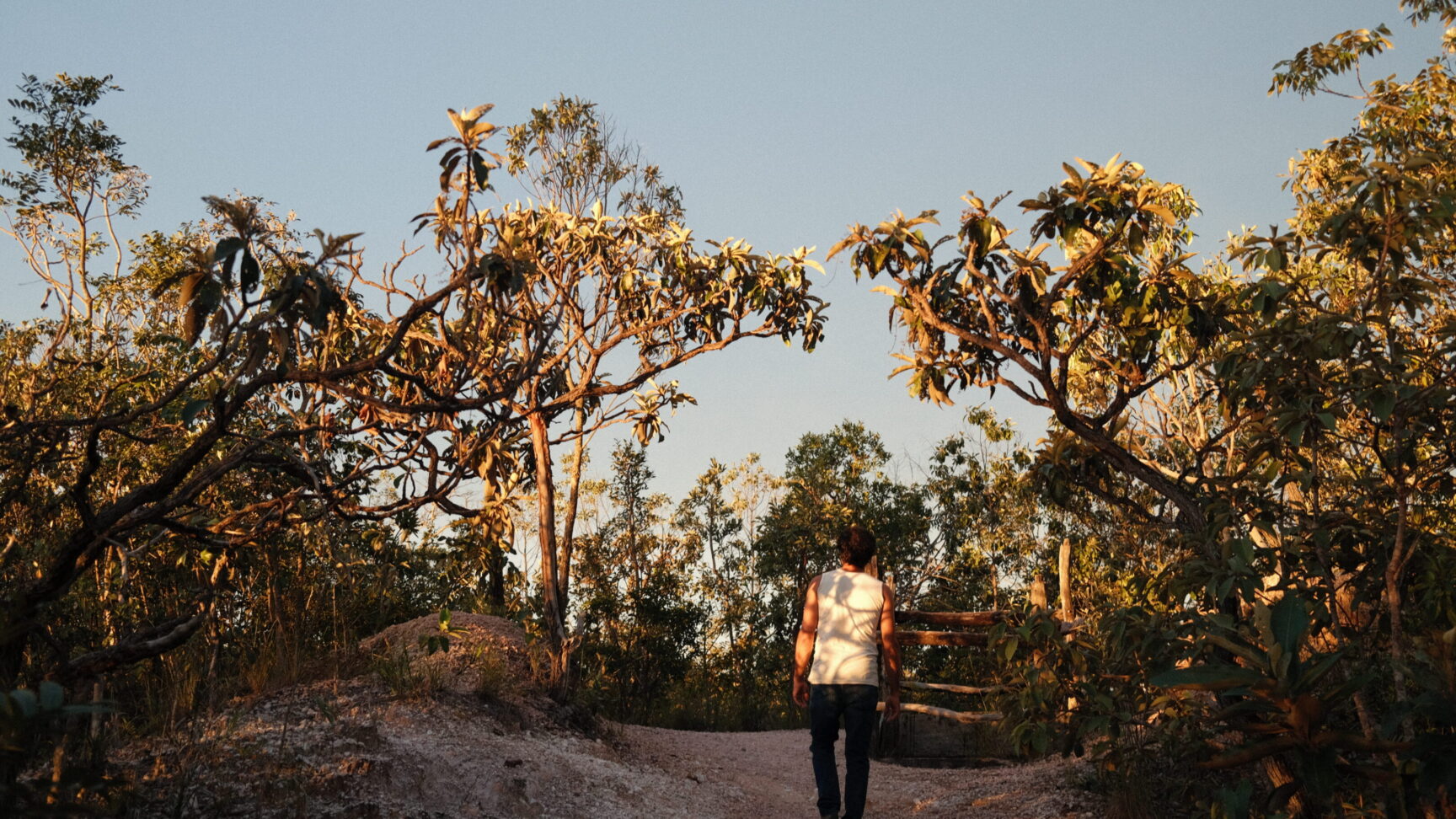
Tao walks ahead of me, an underground rainforest beneath our feet. On the way back to the Fiat, Brazil’s deceptively short twilight begins to fall.
The waterways, the veredas, which I know from the famous epic Grande Sertão, are lined with palms. Tao starts to sing.
Looking out from the high cliffs of the Cerrado, he points to soy fields appearing in the distance, bright green like alien crop circles. There is nothing sadder, he says, than veredas mortes – the dried-up waterways lying beside them.
READ MORE:

Indigenous leader Dadá: “The world must support those who protect the forest. It’s that simple”
4 August 2026