Lilian Bosch

In the boreal forests of Scandinavia lives Europe’s last remaining Indigenous people: the Sámi. Their centuries-old knowledge of the ecosystems they live with is little known. Just as overlooked is the importance of the boreal forests themselves – ecosystems comparable to the Amazon, yet disappearing at an alarming rate. To help protect both these landscapes and their original guardians, Lilian Bosch started a foundation together with the Sámi. “My role is mostly to listen."
With 70 percent of its land cloaked in trees, Sweden is Europe’s most forested country. But only a sliver – five to ten per cent – is true ancient forest. The rest has been felled and replanted as monocultures of spruce and pine, harvested every few decades. “On these plantations they put down a single species and then strip the area bare in one go – a so-called clear cut”, Lilian explains. “This releases vast amounts of carbon from the soil and leaves behind barren ground where little can survive. So really, only a fraction of the natural forests remains. Yet many Swedes don’t see the difference – they often can’t distinguish a living ecosystem from a plantation.”
Uitgelichte quote
Ecosystems are the most powerful climate technology we have

From tech to nature
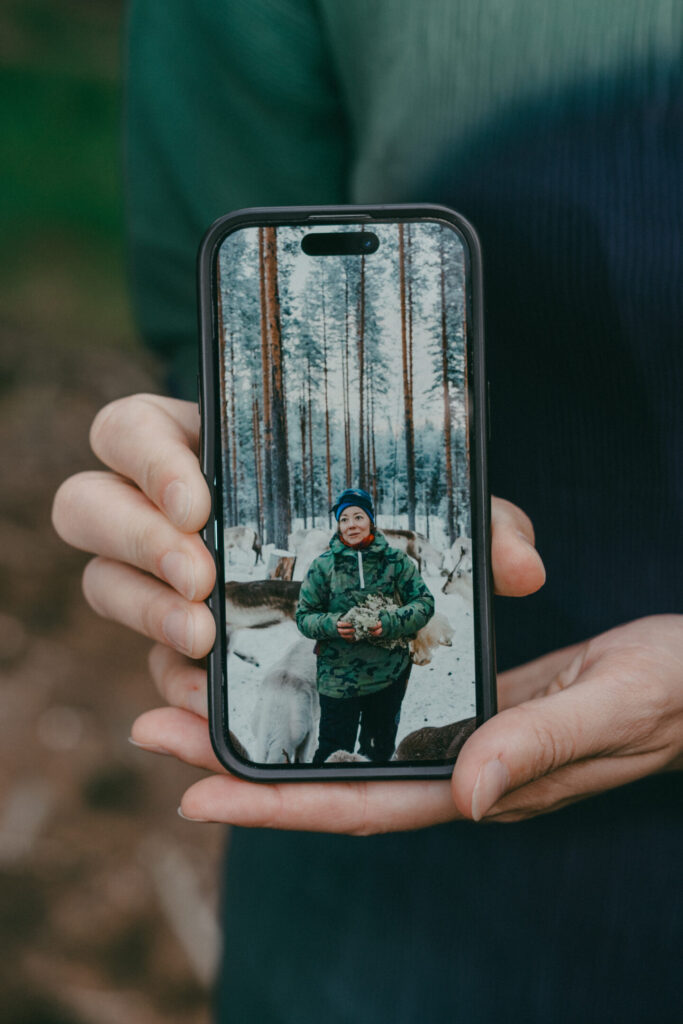
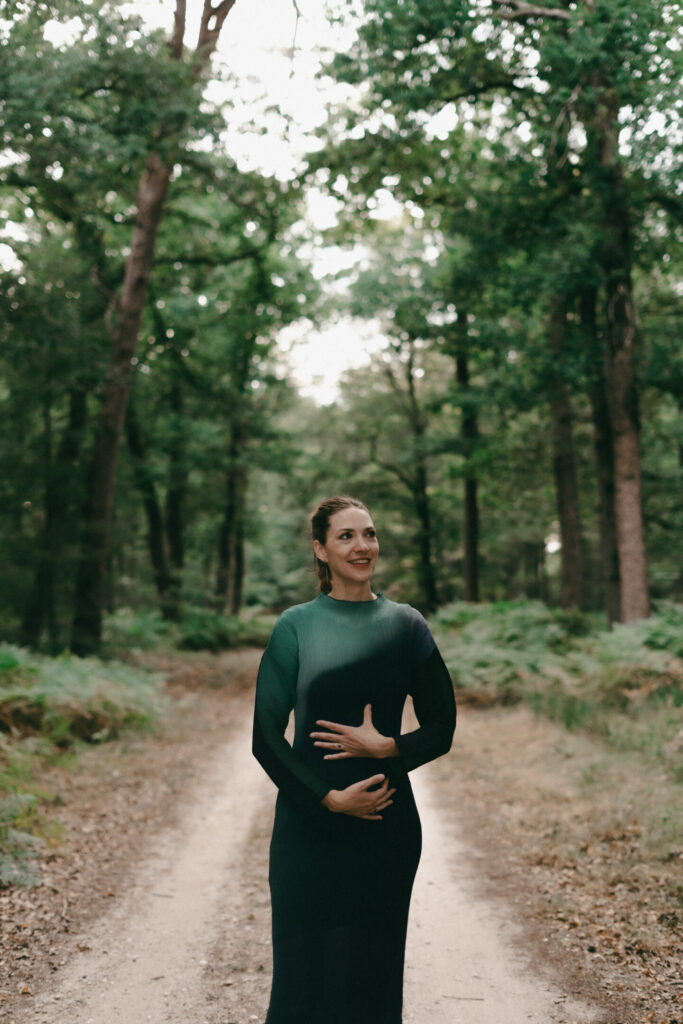
Three years ago, while pregnant, Lilian’s fascination with the boreal forests – and with the Sámi who strive to defend them – was awakened. “Before that I worked in tech, as a product manager in start-ups,” she recalls. “I thought: this is the frontline of knowledge and innovation. But during pregnancy I felt the primal force and wisdom of nature return to my body. After giving birth, everything shifted. I realised technology is important, but the genius of ecosystems is still profoundly undervalued. Ninety-five per cent of climate investment goes to technology, and barely five per cent to landscapes. Yet ecosystems are the most powerful climate technology we have.”
Uitgelichte quote
It takes at least 150 years for a forest to recover as a functioning ecosystem

“Consider ancient forests,” Lilian says. “Most people see their value mainly in terms of carbon storage. But they also act as pumps: through evaporation and condensation they create pressure differences that draw moist ocean air inland, generating rainfall. But for that pump function to work, you need old, diverse ecosystems. That’s why logging is so destructive – replanting monocultures doesn’t do the trick. It takes at least 150 years for a forest to recover as a functioning ecosystem, and in the case of ancient forests it can take hundreds, even thousands of years.”
Uitgelichte quote
It’s incomprehensible that the boreal forests and the Sámi are so overlooked
The world’s second lung
“It’s incomprehensible that the boreal forests and the Sámi are so overlooked”, Lilian says. Until a few years ago, even she didn’t realise these forests are almost as vital to the global climate as the Amazon rainforest. “Boreal forests account for 27 percent of the world’s total forest cover and are known, after the tropics, as the ‘second lung of the world’.”
In the beginning of 2024, Lilian travelled to northern Sweden for her first immersion with Sámi and ecologists. There she met Sámi woman Johanna Nilsson, with whom she later co-founded WILD Sápmi, alongside Amy Lewis, director of the international WILD Foundation. “Sápmi is the Sámi name for Lapland; Lapland is the colonial name. Our aim is to strengthen the role of the Sámi, halt further destruction of ancient forests, and ensure Sámi leaders are embedded in nature and landscape initiatives so the boreal forests can be properly protected and restored”, Lilian says. “The foundation is Sámi-led – my role is mainly to listen.”
Uitgelichte quote
What I keep learning is that big solutions dreamed up behind desks often create more problems than they solve
“What I keep learning is that big solutions dreamed up behind desks often create more problems than they solve”, Lilian continues. “With my tech mindset I first thought: shouldn’t we just buy up forests to save them? But that only shifts the pressure to those left unpurchased. The real solution lies in strengthening the Sámi. Their way of life is what keeps the boreal forests healthy.”
 Sámi, the last indigenous culture of Europe. Photographer Bonnette Vos
 Lilian Bosch: “Reindeer are true ecosysteem-engineers.” Photographer: Bonnette Vos
Under pressure
Reindeer, with whom the Sámi migrate each winter, are keystone species in the boreal forests – true ‘ecosystem engineers’. “They eat lichens, grasses, shrubs and young trees, preventing any one species from dominating”, Lilian explains. As they move, they disperse seeds and fungal spores, helping the forest to regenerate and diversify. Their droppings enrich the soil without causing overgrazing – precisely because of their seasonal migrations. “That cyclical rhythm keeps the ecosystems resilient.”
However, industrial forestry is cutting across these ancient migration routes. “The original forests are vanishing, and in the new production forests trees are packed so tightly that reindeer can barely move through.” Ninety per cent of Sweden’s original forest has already disappeared. Only five to ten per cent remains – and even that is under threat: between 2003 and 2019, nearly a quarter of what was left was logged, an annual loss of around 1.4 percent.
“Forestry companies are legally required to consult the Sámi before major felling, but in practice that rarely happens – or their advice is ignored”, Lilian says. “At this pace, within 50 years there will be no ancient forest left in Sweden outside the national parks. Reindeer will find natural grazing almost impossible, and Sámi herding will collapse. With that we also lose the positive effects of the reindeer as a keystone species. And that whilst the Sámi have lived with their animals in the boreal forests since the Ice Age – they evolved together.”
Uitgelichte quote
Children learn more about the Māori and the Amazon than their own culture

Awareness
One of WILD Sápmi’s projects is a history book about the Sámi – written by Sámi themselves. “Very few Swedish children or adults know much about the Sámi, and what they do know is often wrong,” Lilian says. “A Sámi woman told me her children learn more at school about the Māori and the peoples of the Amazon than about their own culture. That’s why a schoolbook can have more impact than any technology: change from within, through education, awareness and recognition.”
Uitgelichte quote
75 percent of the timber from these ancient forests is burned as biomass or turned into disposable products such as cardboard and packaging
From ancient forest to cardboard box
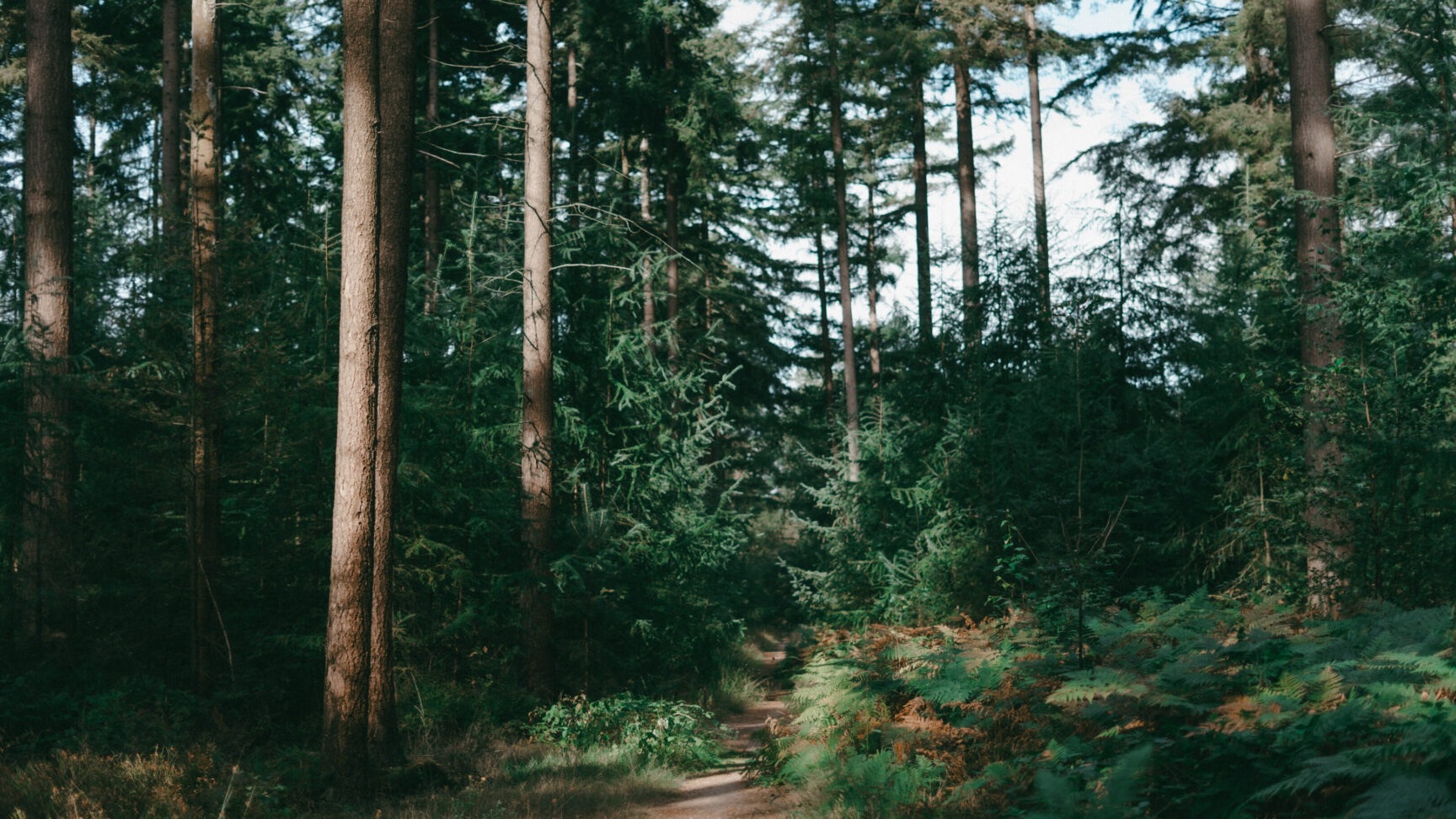
That same awareness is urgently needed for the boreal forests, Lilian believes. “The trees there aren’t as broad as you might expect from ancient woodland: because of the cold climate they grow slowly. They may look less imposing and are often seen as less valuable than tropical rainforests. But that’s a misconception. They are pure wilderness – home to bears, lynx, wolves and countless bird species. And most of the life is underground: 64 percent of the carbon stored in boreal forests lies in the soil, compared with 32 percent in tropical forests. That soil is a vast carbon bank. But once heavy machinery moves in, that carbon seeps out for up to a decade. None of that is factored into climate models.”
Moreover, 75 percent of the timber from these ancient forests is burned as biomass or turned into disposable products such as cardboard and packaging. “Greenpeace tracked this: they followed trucks carrying wood from Sweden’s forests to paper mills and traced the buyers. Among them were Amazon and Oatly. Stronger regulation is urgently needed – something we are also working on with our foundation, together with WILD”, Lilian says.
Uitgelichte quote
Every step, every recognition, every conversation that shifts something, gives hope

Balance
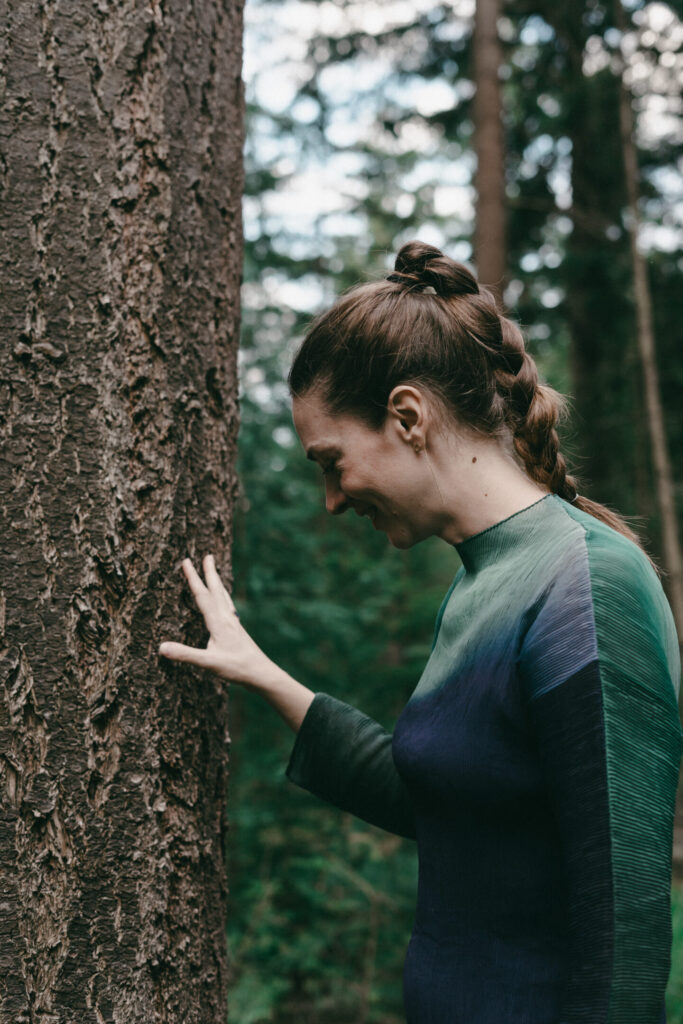
“Sometimes it feels heavy, especially with new threats looming – mining, for instance. Permits have already been filed for countless sites”, Lilian says. “It’s depressing, but I try to keep my balance. Every step forward, every recognition, every conversation that shifts something, gives hope. And the Sámi themselves are incredibly resilient. They take responsibility, even without recognition. That inspires me deeply.”
She also draws strength from the wider regenerative movement. “If you think you’re the only one, you quickly feel like an oddball. But once you see you’re not alone, that there is a network – that gives the energy and confidence to keep going.”
Also read our interview with Indigenous leader Dadá who is working to defend the Amazon rainforest.
Original publication date: 8th of October 2025. Latest update: 11th of February 2026.
READ MORE:

Indigenous leader Dadá: “The world must support those who protect the forest. It’s that simple”
4 August 2026